
It’s important to know the common signs and symptoms of a brain injury so you can get the right help and care. It doesn’t matter if the injury is from an accident, illness, or other health issue, finding it early can greatly help healing and improve life quality. Here are some things to look out for, and if you or a loved one experiences a head injury or noticeable changes in behaviour, you must seek medical help as soon as possible.
Physical Signs and Symptoms of Brain Injury
Brain injuries can cause a range of physical symptoms that may appear immediately or develop over time. These are some of the most common signs to look out for:
Headaches: Persistent or worsening headaches that don’t go away with rest.
Dizziness and Balance Issues: Feeling unsteady, lightheaded, or uncoordinated.
Nausea and Vomiting: These symptoms can occur soon after an injury and may persist.
Blurred Vision: Difficulty focusing or seeing clearly.
Fatigue: An overwhelming sense of tiredness that does not improve with rest.
Sensitivity to Light and Noise: Increased discomfort in bright or noisy environments.
Seizures: In some cases, a brain injury can lead to seizures, which require immediate medical attention.
Cognitive Signs and Symptoms of Brain Injury
A brain injury can affect the way a person thinks, remembers, and processes information. Some common cognitive symptoms include:
Memory Problems: Difficulty remembering recent events or important details.
Confusion and Disorientation: Feeling unsure of time, place, or personal details.
Difficulty Concentrating: Struggling to focus on tasks or conversations.
Slowed Thinking: Taking longer than usual to process information or respond.
Poor Judgment: Making decisions that seem out of character or risky.
Emotional and Behavioural Signs and Symptoms of Brain Injury
In addition to physical and cognitive changes, a brain injury can also affect our emotions and how we behave. It is important to pay attention to:
Mood Swings: Rapid changes in emotions, from happiness to irritability or sadness.
Depression and Anxiety: Feelings of hopelessness, fear, or worry that interfere with daily life.
Irritability: Becoming easily frustrated or angered over small things.
Personality Changes: Noticing big differences in how a person acts or interacts with others.
Sleep Disturbances: Difficulty falling asleep, staying asleep, or sleeping too much.
When to Seek Help
If you or your loved one is experiencing any of these signs or symptoms, especially following a head injury, it is important to go and see your doctor. Early diagnosis and treatment can help manage symptoms and support recovery. A healthcare professional can assess the severity of the injury and recommend the right course of action, whether it’s rest, therapy, or more specialised care.
How We Can Help
At Eximius Support, we understand how challenging it can be to navigate life after a brain injury. Our compassionate and professional live-in care services are designed to provide personalised support that meets your needs. From assisting with daily activities to offering emotional support, we are here to help you or your loved one feel safe, comfortable, and cared for every step of the way.
If you need support or guidance, reach out to us today to learn how we can assist you or your loved one on the path to recovery.
Supporting Our Clients With Brain Injuries

A brain injury can change your life in ways you might not imagine. It can change everything such as your independence, relationships, and everyday activities. Whether the injury is the result of an accident or a medical condition, compassionate and professional support is going to be the key to recovery and maintaining your quality of life. We want to help you understand the different types of brain injuries to help you make informed decisions about care and support.
Traumatic Brain Injuries (TBI)
Traumatic brain injuries are caused by an external force hitting the head. This causes physical damage to the skull and brain. This could be from a fall, a car accident, or a sports injury, for example. The effects of a TBI can range from mild to severe, and everyone’s experience will be completely different.
Here are some common types of traumatic brain injuries, some more mild than others:
Concussion: Usually considered a mild form of brain injury, but it can still cause temporary confusion, headaches, and memory issues. With rest and proper care, recovery is likely. But, repeated concussions can have lasting effects.
Contusion: A contusion is bruising or bleeding within the brain tissue, usually caused by a direct impact to the head. In some cases, surgery is needed to relieve the pressure and prevent further complications.
Penetrating Injury: These injuries occur when an object pierces the skull and damages the brain. This could be shattered bone or a foreign object from an assault or accident.
Diffuse Axonal Injury: Caused by rapid movement of the brain within the skull, this type of injury can lead to widespread damage, affecting communication between brain cells. Recovery often requires long-term rehabilitation and support.
Acquired Brain Injuries (ABI)
Unlike traumatic brain injuries, acquired brain injuries occur due to non-traumatic causes, such as medical conditions or other health-related issues. These injuries can develop gradually or occur suddenly, and usually require ongoing care and support.
Common types of acquired brain injuries include:
Anoxic Brain Injury: This happens when the brain is completely deprived of oxygen, leading to cell damage. Situations like cardiac arrest, drowning, or respiratory failure can result in this type of injury.
Hypoxic Brain Injury: In this case, the brain receives some oxygen, but not enough to function properly. Conditions such as stroke, carbon monoxide poisoning, or complications during surgery can cause hypoxic injury.
Stroke-Related Injuries: Strokes happen when blood flow to the brain is disrupted, either by a clot (ischaemic stroke) or bleeding (hemorrhagic stroke). The effects can range from mild weakness to severe physical and cognitive impairments.
Infections: Brain infections, such as meningitis or encephalitis, can cause inflammation and long-term complications, requiring specialised care and rehabilitation.
Mild vs. Severe Brain Injuries
Brain injuries can vary greatly in severity. Mild injuries, such as concussions, often result in temporary symptoms that improve with rest and proper care. Severe brain injuries may lead to lasting physical, emotional, and cognitive challenges. If you or your loved one is facing a severe injury, ongoing support can make a significant difference in maintaining independence and quality of life.
Diagnosis and Treatment
Getting the right diagnosis is obviously essential for effective treatment and recovery. Healthcare professionals use a combination of physical assessments, imaging tests such as MRI or CT scans, and cognitive evaluations to determine the severity of the injury. The sooner treatment begins, the better the chances for a positive outcome.
Treatment plans are tailored to each person’s needs and may include:
Medical Care: Immediate treatment to stabilise the condition and prevent further damage.
Rehabilitation: Physical therapy, occupational therapy, and speech therapy to regain lost skills and improve quality of life.
Emotional Support: Counselling and psychological support to help cope with changes and adjust to new routines.
Live-in Care Support: Compassionate carers can provide assistance with daily activities, medication management, and companionship, ensuring individuals feel supported in their own homes.
Living with a Brain Injury
A brain injury can bring so many changes, but with the right support, you or your loved one can continue to lead a fulfilling life. At Eximius Support, we understand the challenges that come with brain injuries, and we are here to provide tailored, high-quality care that prioritises dignity and comfort. Whether it’s short-term recovery support or long-term assistance, we are committed to making a positive difference. If you or a loved one need compassionate, professional live-in care, reach out to us today. We are here to help every step of the way.
Further Reading:
Supporting Our Clients With Brain Injuries
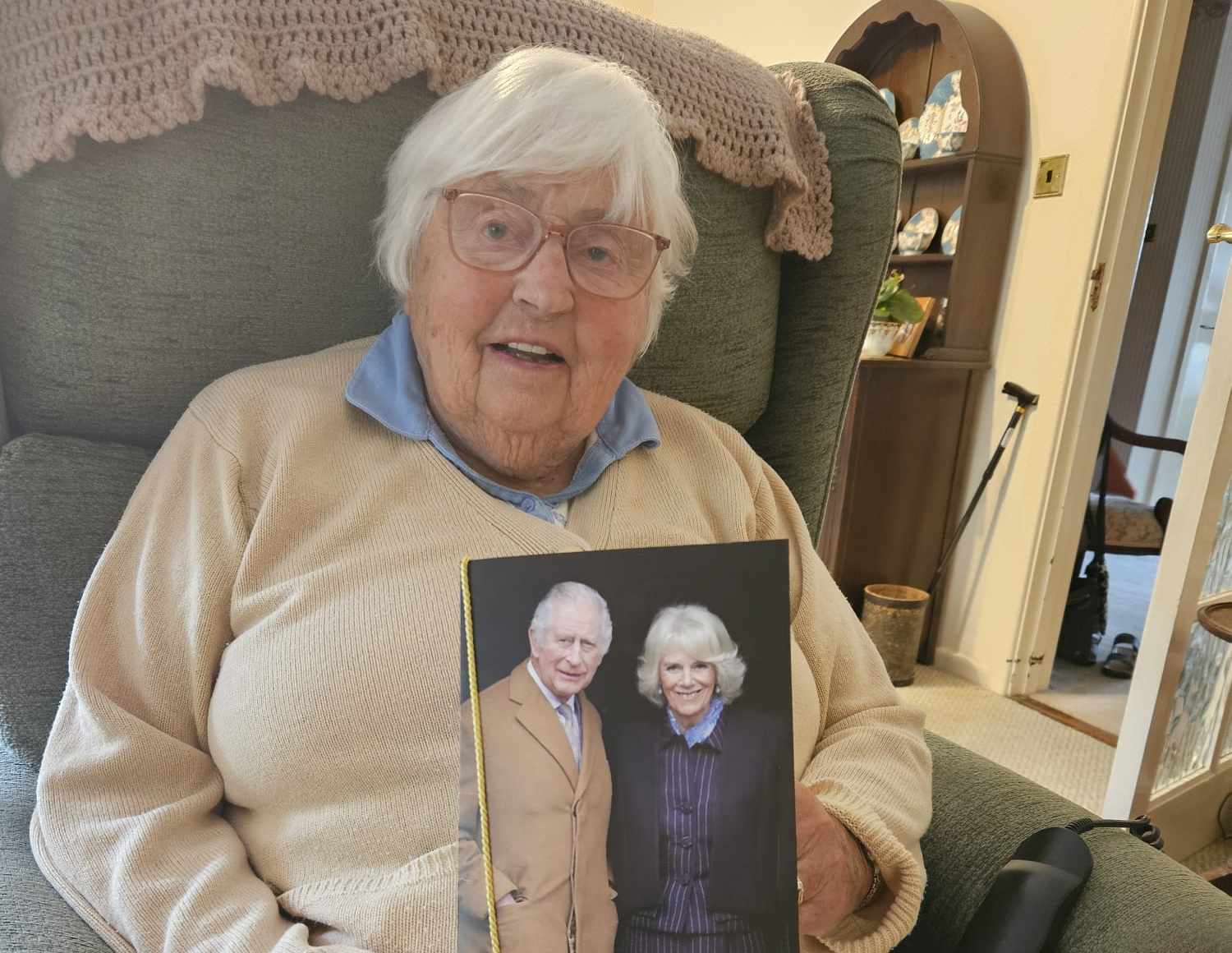
Our client has just celebrated an exciting milestone recently when she turned 100 years old.
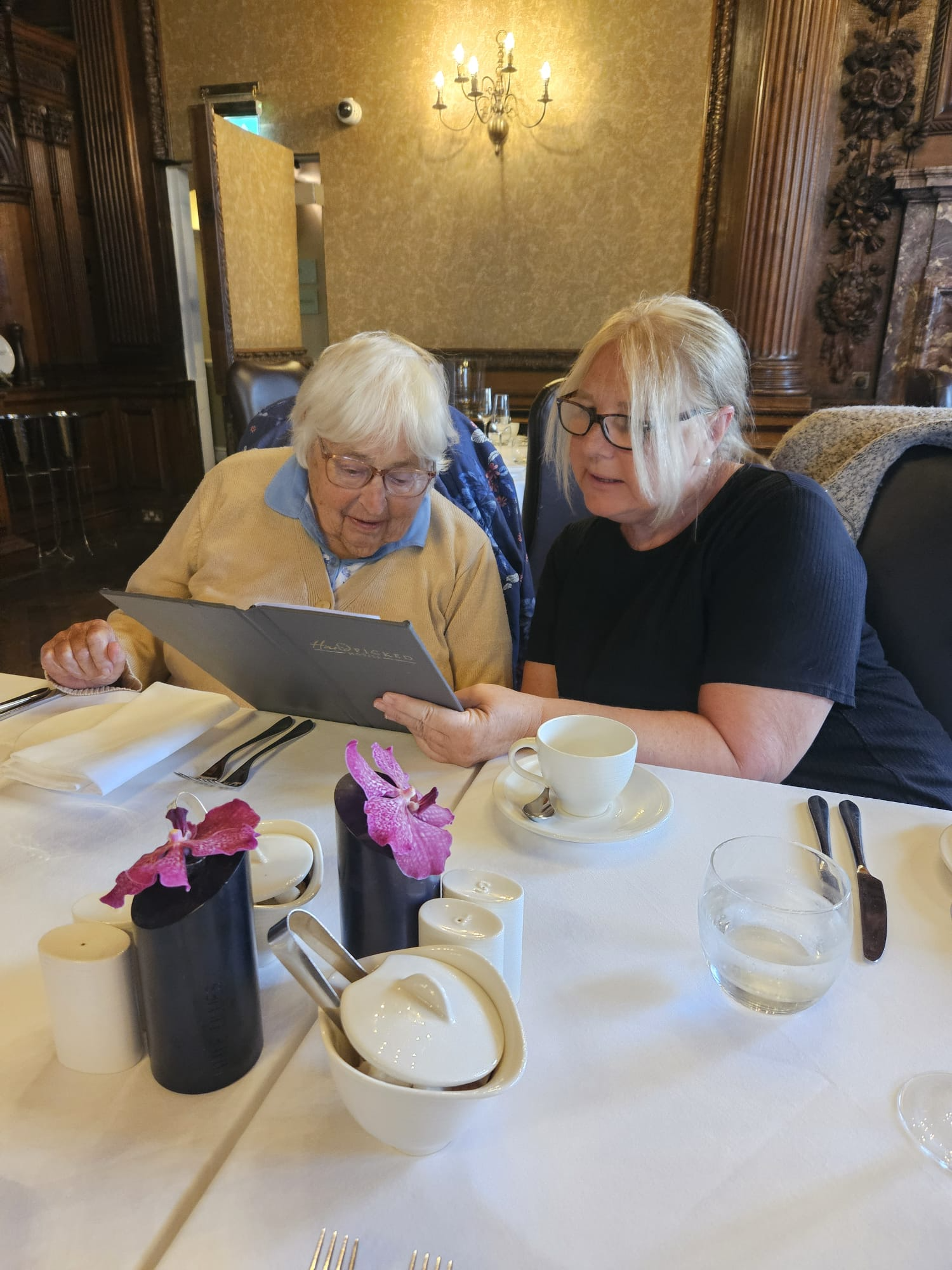
Helen, who lives in her home with the support of Eximius Support, celebrated her 100th birthday with a luxury afternoon tea.
She was treated to afternoon tea at the Rhinefield House Hotel by Eximius, enjoying the outing with her complex care supervisor, Dawn Dowdican, her clinical lead, Dawn Sears and her main companion carer, Shona.
Helen has enjoyed an incredible life full of adventure and has no plans of stopping just yet, enjoying daily outings including outings to the New Forest in her electric wheelchair. She was also a highly accomplished equestrian and tennis player.
A World War II veteran, Helen joined the Auxiliary Territorial Service at the age of 18, after dropping out of the Domestic Science College to serve as an army driver. After the war, she returned to the college, proudly passing the course as the first person to ever graduate with First Class Honours.

When asked what the secret to a long and healthy life was, Helen responded:
“Staying fit and active, eat and do whatever you like in moderation and enjoy a little tipple!” She continued, “I’m so grateful for Exmius and I’m so lucky to have Shona, she is the best! I couldn’t ask for better care.”
Helen started receiving live-in care from Eximius during the COVID-19 pandemic. She was unable to get out and go to her fitness classes and as such her mobility and strength sadly started to decline. That was the point when she started receiving live-in care from Eximius.
To find out more about Eximius, visit https://eximiussupport.uk/

In November, our office team had the pleasure of welcoming Jeff Goodright from Cyber Spider for a comprehensive Cyber Awareness Training session!
This insightful experience was packed with tips and strategies to ensure our team stays safe online, while also equipping us to support our carers and clients in fostering secure digital habits.
We’re excited to continue working with Cyber Spider to promote cyber awareness and online safety with our carers and clients and across our community! Together, we’re making strides towards a safer digital future.
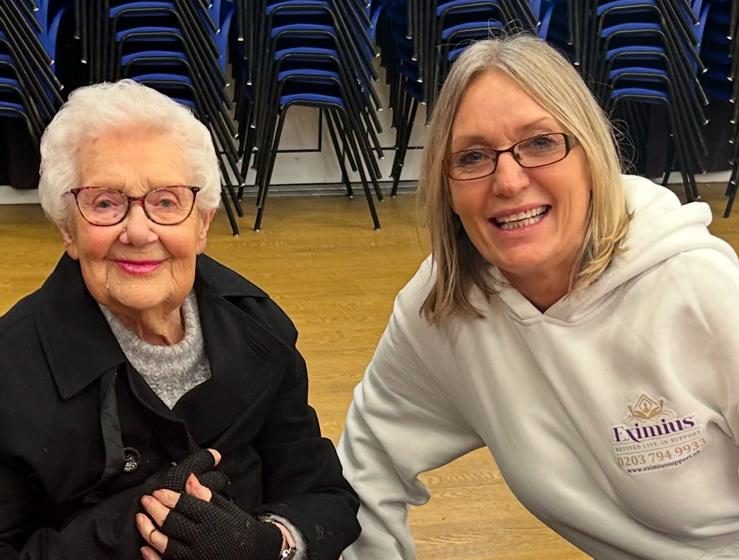
Eximius Live-In Care was proud to support The Beaconsfield School’s Senior Citizens Christmas Lunch! The event featured a delicious three-course meal, with mains prepared by the school chef and desserts crafted by talented pupils who also created festive biscuits for guests to take home.
Around 40 local residents and care home guests attended, enjoying a day filled with warmth, music, and festive cheer. Pupils not only served the meals but also entertained with singing and musical performances, making the atmosphere truly special. They spent time socialising with guests, ensuring everyone felt included and valued.
A standout moment was seeing 104-year-old Peggy, supported by our team, enjoying the event and spreading smiles. It was a fantastic day for all involved, filled with joy, connection, and the true spirit of the season.
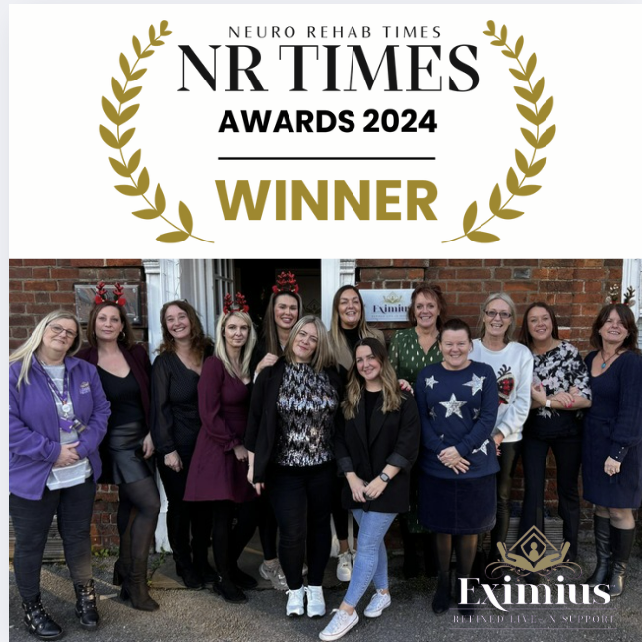
Eximius Live-In Care is proud to announce that we have been awarded the prestigious title of ‘Care Provider of the Year’ by the Neuro Rehab Times. This esteemed accolade recognises our unwavering commitment to delivering exceptional, person-centred live-in care that supports the unique needs of our clients.
The award celebrates Eximius’s dedication to providing outstanding care, particularly in the field of neuro-rehabilitation. Our team works tirelessly to ensure that every client receives tailored support, promoting independence, dignity, and a high quality of life in the comfort of their own homes.
“We are deeply honoured to receive this recognition from Neuro Rehab Times,” said Maria Climie, Managing Director. This award is a testament to the dedication and passion of our incredible team, who go above and beyond every day to provide exceptional care. It reflects our commitment to excellence and our focus on making a real difference in the lives of our clients and their families.”
The Neuro Rehab Times Awards are highly regarded in the healthcare industry, recognising organisations and individuals who demonstrate innovation, compassion, and exceptional standards of care.
About Eximius Live-In Care
Eximius Live-In Care specialises in providing outstanding live-in care services tailored to meet the unique needs of clients. Rated CQC Outstanding, the company is known for its commitment to delivering compassionate, high-quality, and person-centred care. With a focus on rehabilitation, recovery, and independence, Eximius helps clients lead fulfilling lives in the comfort of their own homes.
For more information about Eximius Live-In Care and the services we provide, please visit https://www.eximiussupport.uk
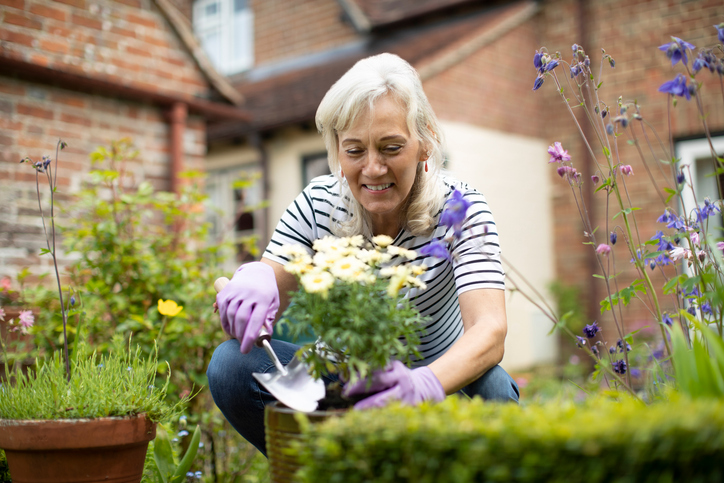
Gardening isn’t just about growing plants. It’s a way to stay healthy and happy, especially for older adults. Early Spring is the perfect time to start preparing your garden, but maybe you’re not sure where to begin. Here, we will share some spring preparation gardening tips you can do right now.
The Benefits of Gardening for Older Adults
Gardening has proven benefits for anyone’s health.
Physical Health: Gardening can be a great workout. It can make you stronger and help you stay active. When you’re outside planting and weeding, you’re moving all kinds of muscles. Plus, you get to eat what you grow- lots of fresh and healthy foods!
Mental Health: Gardening is also good for your brain. It can make you feel more relaxed and happy. It’s a peaceful activity that can help clear your mind. Watching your plants grow can be exciting and make you feel proud and fulfilled.
Social Engagement: Gardening can help you make friends. Whether gardening with a carer, family, or in a community garden, it’s a fun way to spend time with others.
Preparing the Garden for Spring
Here are some gardening activities you can do now in preparation for Spring.
Indoor Sowing: Some plants need to start inside because it’s still chilly outside. You can plant seeds such as tomatoes, peppers, and flowers in small pots. Make sure they get enough light and are planted in good soil. This is giving your plants a head start!
Garden Planning: It’s a good idea to think about where everything will go before planting. Some plants need more sun, and others need more shade. Drawing a map can help. Also, deciding ahead of time what you want to grow can make everything more manageable later.
Pruning and Maintenance: Early Spring is an excellent time to clean your garden. Some plants need to be trimmed to grow better when it’s warmer. It’s also a fantastic time to check your gardening tools and clean them up for spring.
Adaptive Gardening Techniques If You Have Difficulty
Raised Beds and Container Gardening: If it’s hard to bend down or kneel, raised beds or containers can be really helpful. You can garden standing up or sitting in a chair. This way, everyone can enjoy gardening, no matter what.
Ergonomic Tools: Some gardening tools are easier to hold and use, which is great for keeping your hands and arms from getting too tired. These tools are made to fit your hand better and make gardening more comfortable. They are great for those with arthritis, too.
Gardening Seating: Some special seats and kneelers make gardening more comfortable. This means you can enjoy your garden more without getting a sore back or knees.
How Eximius Can Support You with Your Gardening Activities
Our live-in companions support our clients with every aspect of their lives. We are pleased to support you in continuing to do activities that bring you joy. When it comes to your garden, we can be right there with you, helping with the tools, ensuring your safety and celebrating with you when we see our hard work come to fruition.
Gardening is a fantastic way for older adults to stay active, enjoy nature, and grow their own healthy foods. Starting now, anyone can prepare their garden for spring with some planning and the right tools. With the help of Eximius Support, gardening can be adapted to fit anyone’s abilities, making it a safe and enjoyable activity for all. So, let’s grab those gardening gloves and get ready to dig in. Spring is just around the corner, and there’s no better time to prepare your garden for a season full of growth and joy.
Further Reading:
Dig into the benefits of gardening
Helpful gadgets if you’re living with arthritis
Living well with Osteoarthritis
Navigating Stress for Older Adults
Gardening is a great way to stay healthy and happy, especially for older adults. Here are some spring preparation gardening tips you can do right now.

February is National Heart Month, a time to remind us of the importance of cardiovascular health, especially among older adults. At Eximius Support, we are dedicated to enhancing the lives of older adults through our comprehensive live-in care services, recognising the critical role heart health plays in their overall well-being. In this article, you will learn heart-healthy practices to incorporate into your life and the lives of those you love.
Understanding Heart Health in the Elderly
Heart health becomes increasingly vital as we age. The risk of heart diseases, such as hypertension, coronary artery disease, and heart failure, rises significantly among the elderly. Early detection and management of these conditions are crucial to improving life quality and longevity.
Heart-Healthy Diets
Diet plays a significant role in maintaining heart health. A heart-healthy diet focuses on consuming fruits, vegetables, whole grains, lean protein, and low-fat dairy products while limiting salt, sugar, and unhealthy fats. Incorporating foods rich in omega-3 fatty acids, like salmon and flaxseeds, can also contribute to cardiovascular health.
Exercise and Heart Health
Physical activity is so essential for keeping the heart strong and efficient. However, exercise for older adults should be tailored to individual health conditions and mobility levels. Activities such as walking, swimming, and gentle yoga can significantly benefit heart health without putting undue strain on the body. The goal is to make exercise a safe, enjoyable, and integral part of their daily routine.
Monitoring and Managing Heart Health
Regular monitoring is very important to ensure continued heart health. As instructed by healthcare providers, regular check-ups allow monitoring of vital signs. Adhering to medication regimens is essential to remain as healthy as possible. It’s also important to be aware of heart disease symptoms and to seek medical care early if symptoms arise.
Lifestyle Changes for a Healthy Heart
Beyond diet and exercise, several lifestyle factors can impact heart health. Smoking, excessive alcohol consumption, and high-stress levels are known risk factors for heart disease. Making positive lifestyle changes, such as adopting a smoke-free life, reducing alcohol intake, and using stress-reduction techniques like mindfulness and relaxation exercises, can go a long way to improving and maintaining heart health.
The Eximius Approach
We understand that each client has unique needs and preferences. Our care plans are tailored to address specific health conditions, lifestyle preferences, and personal goals, ensuring a comprehensive support system that goes beyond basic care needs. We work closely with healthcare professionals to stay informed about our clients’ health status and adjust our care plans as needed. This collaborative approach ensures that our clients receive the best possible care tailored to their specific cardiovascular health needs.
Contact Eximius Support today to learn more about our services and how we can assist you. Our expert team is ready to create a personalised care plan, ensuring you and your loved ones peace of mind.
Further Reading
Daily Heart-Healthy Habits for Older Adults
Blood Pressure Awareness Week: Know Your Numbers
Blood Pressure Awareness Week: Know Your Numbers
If you’re wondering what the cost of home care in the UK is currently, we can tell you that the Homecare Association recently announced that the average cost of an hour of domiciliary care has risen to £32.14. This price increase highlights the growing appeal of live in care, not only as a more personal and comfortable option but also as a significantly more cost effective solution.
If we break down the numbers, we can see that if a person requires 10 hours of domiciliary care daily, the weekly cost amounts to a staggering £2,249.80. By contrast, the cost of a live-in carer through Eximius Support is currently set at £1,675 per week. That’s a saving of over £570 per week!
Importantly, we have committed to maintaining this price even after April 2025, despite the anticipated increase in National Insurance Contributions outlined in the recent Budget.
The Benefits of Live In Care
Beyond the financial savings, live in care offers a range of unique advantages that can significantly enhance quality of life. For more details, visit our blog post here.
- Consistency and Familiarity: Unlike rotating domiciliary carers, live-in care provides the reassurance of having the same dedicated person by your side every day. This consistency fosters trust and a strong personal bond.
- Comfort of Home: Remaining in a familiar environment surrounded by personal belongings and memories can be incredibly comforting, particularly for those with dementia or other cognitive conditions. Learn more about our specialist dementia care services. [link to dementia info – either a blog post or a page]
- Becoming Part of the Family: Over time, a live in carer often becomes more than just a care provider – they become a trusted companion and an integral part of the family.
With the rising costs of domiciliary care, live in care presents an increasingly compelling option for those seeking high quality care at home. Not only does it offer significant financial savings, but it also ensures continuity, comfort, and a personal touch that can transform the care experience.
At Eximius Live in Care, we remain committed to providing exceptional care at a fair price, helping families navigate their care needs with confidence and peace of mind.
Get in touch with us here Contact us here.
The holiday season is a time of joy, warmth, and connection, but for many older individuals, it can also be a period marked by feelings of loneliness and isolation. As the festivities arrive, it’s crucial to recognise the importance of company for older adults during this time. Loneliness among older adults is a prevalent issue, especially during the holidays, and understanding its impact on mental and physical health is essential.
The holidays is often when families notice subtle changes.
Loneliness and Isolation Among Older Adults
Statistics reveal a concerning trend of increased loneliness among older adults during the holiday season. The emotional toll of isolation can have far-reaching consequences on mental and physical well-being. Older individuals, who may already face unique challenges, find themselves particularly vulnerable during this time.
Social Connection and Emotional Well-being
Social interactions play a vital role in emotional well-being, and the holidays provide an opportune time to emphasise the importance of companionship. Research consistently shows that having company significantly influences mental health, positively affecting overall happiness and life satisfaction.
Family Bonds and Intergenerational Connections
For many older people, the holidays hold special meaning regarding family gatherings. Strengthening intergenerational ties during this season not only enhances the festive experience but also contributes to a sense of continuity and shared history. Engaging in activities that promote meaningful connections between generations creates lasting memories.
Community Engagement and Events
Community events are invaluable in combating holiday loneliness. Showcasing local programmes and activities tailored for older adults encourages participation in the broader community. By attending festivities, older people can not only enjoy the holiday spirit but also establish connections with neighbours and fellow community members.
Volunteering and Giving Back
Volunteering during the holidays is a meaningful way for older adults to combat loneliness. Engaging in charitable activities provides a sense of purpose and connection. They can contribute to the community, creating a spirit of ‘giving back’ that benefits others and enhances their own well-being.
Technology and Virtual Connections
Virtual connections have become a powerful tool to bridge gaps for older adults. Whether through video calls or online community engagement, people can stay connected with loved ones, even from a distance. Technological avenues offer a lifeline for those physically separated from family and friends.
Recognising Signs of Isolation and Providing Support
Identifying signs of isolation in older individuals and offering support is crucial. By encouraging open communication, carers, neighbours, and community organisations can play a vital role in reaching out to those experiencing loneliness. A collective effort to address these signs can significantly impact a person’s well-being.
Recognising the challenges of loneliness, encouraging connections through family, community, volunteering, and technology, and cultivating inclusivity in holiday celebrations are crucial steps. As we celebrate the season, let’s strive to make it a time of warmth, inclusion, and meaningful companionship for older people, ensuring that no one feels alone during this festive time.
If you or a loved one could benefit from extra help and support at home, don’t hesitate to contact Eximius. Our team is here to provide the support you need. Contact us to learn more about how we can help you.
Further Reading:
Are Pets a Good Idea for the Elderly
5 Easy Tips to Stay Physically and Mentally Active in Later Life
11 Tips to Encourage Eating in Elderly People with no Appetite

Dementia is a degenerative brain disease that can cause significant challenges for the affected individual and their loved ones. One of the most challenging aspects of dementia is when it becomes necessary for an individual to move out of their home and into a care home. This can be a difficult decision to make, but it’s essential to consider when it’s no longer safe for someone with dementia to live at home. In this blog post, we’ll explore some of the signs that it’s time for someone with dementia to get additional support.
Safety Concerns
One of the primary reasons why someone with dementia may need alternative care solutions is concern about safety. Dementia can cause memory loss, confusion, and disorientation, leading to accidents and injuries. For example, an individual with dementia may forget to turn off the stove or wander outside and become lost.
Care Needs
As dementia progresses, an individual’s care needs will likely increase. This can include help with personal care, such as bathing and dressing, and assistance with medication management and other medical conditions. If you’re finding that you’re struggling to provide the level of care your loved one needs, it may be time to consider a care home or additional help for them in their own home.
Social Isolation
Social isolation can be a significant problem for individuals with dementia who live at home. As dementia progresses, an individual may have difficulty communicating and become withdrawn. This can lead to social isolation, which can have adverse effects on mental and physical health.
Family Caregiver Burnout
Caring for someone with dementia can be challenging and exhausting, both physically and emotionally. As a result, caregivers may become burnt out from the demands of providing care around the clock. This can negatively affect the carer’s mental and physical health and their ability to provide care for their loved one. If you’re finding that caring for your loved one is becoming too much to handle, it may be time to consider a care home, live-in care or respite care.
Financial Considerations
Care homes can be expensive, and it’s essential to consider the financial implications of moving your loved one into a care home. However, it’s crucial to balance the cost of care with the benefits a care home can provide. In some cases, it may be possible to access financial assistance to help cover the cost of care. Additionally, live-in care is often a cost effective solution, especially when care is required for a couple.
Care Homes are Not the Only Solution
Deciding to move your loved one into a care home can be difficult, and it’s important to consider the factors discussed above. In addition, it’s important to involve your loved one in the decision-making process as much as possible, to help them feel empowered and to ensure that their needs are being met. If you’re struggling to make the decision, speaking with a healthcare professional or a social worker who can provide guidance and support can be helpful.
It’s also important to remember that care homes are not the only solution for dementia patients. At Eximius, we understand that the decision to move a loved one with dementia into a care home can be difficult. That’s why we’re here to help.
We provide dedicated and compassionate live-in care to people with dementia, ensuring they receive the care and support they need to thrive. In addition, our caregivers are trained to provide specialised dementia care, including assistance with personal care, medication management, and

Growing older can be isolating at times, especially when family and friends are far away. But staying socially active and engaged is just as important for health and happiness as a healthy diet and regular exercise. Strong social connections improve mental and physical well-being, helping older adults lead fuller and more independent lives.
At Eximius Support, we see firsthand how companionship and meaningful connections brighten lives. It could be a friendly chat over a cup of tea, a spot of gardening, or taking part in an event in the community. All these moments can make all the difference.
Boosting Mental and Emotional Well-being
Loneliness is known to have a profound impact on mental health. According to Age UK, around 1.4 million older people in the UK often feel lonely. This can lead to depression, anxiety, and a decline in overall well-being. This is so sad, considering regular social interaction provides emotional support and increases self-worth and resilience against stress and sadness.
For instance, losing a spouse or close friend can cause deep feelings of grief and isolation. A common reaction for many older adults is to withdraw from social activities. Then they feel unsure of how to reengage or “get back on the bike,” so to speak. The best thing to do is encourage them to join a local group that interests them (such as a book club, knitting circle, or gardening group). It can help them rediscover a sense of purpose and belonging. Simple activities like meeting friends weekly for a coffee or participating in a community event provide routine, companionship, and emotional stability.
Supporting Brain Health and Memory
Staying socially engaged also plays a huge role in maintaining healthy brain function. Research from the Alzheimer’s Society suggests that regular social interaction may help reduce the risk of cognitive decline and dementia by keeping the brain active and engaged.
Engaging in conversations, playing board games, attending discussion groups, or simply reminiscing about past experiences helps stimulate different areas of the brain. Learning new skills, solving puzzles, or taking part in a reading club can challenge memory and cognitive abilities, slowing down mental decline. Even simple interactions, such as sharing childhood stories or discussing current events, can reinforce neural pathways, keeping the mind sharp.
Encouraging Physical Health and Mobility
Social connections often encourage movement, which is essential for overall health. Older adults who regularly engage in social activities tend to be more physically active. This leads to a lower risk of heart disease, high blood pressure, and mobility issues. Studies from the National Institute on Ageing found that people with strong social networks have lower stress levels, better cardiovascular health, and stronger immune systems.
Physical activity doesn’t have to mean strenuous exercise, though. It can be as simple as taking a daily walk with a friend, gardening with a neighbour, or dancing in the living room. Social motivation helps people stick to active habits, making movement feel less like a chore and more like an enjoyable part of the day. Something as light-hearted as dancing to your favourite song or doing yoga in a group class can contribute to both physical and emotional health.
Providing a Sense of Purpose and Independence
A sense of purpose is so important for maintaining self-esteem and motivation, regardless of age. Many older adults feel a loss of identity when they retire or when their family responsibilities lessen. So, staying socially connected through volunteering, mentoring, or sharing life experiences can bring a new sense of fulfilment.
Volunteering on community projects, participating in charity events, or even helping a neighbour with daily tasks can create a sense of contribution and belonging. Simple gestures, such as lending a listening ear or offering emotional support to friends and family, can have a meaningful effect on both people involved.
Strengthening Relationships with Family and Friends
Strong relationships with loved ones bring comfort, security, and happiness. However, as family members grow busier or move away, staying connected requires extra effort. While physical visits are ideal, thankfully, technology provides us numerous ways to bridge the gap and keep in touch with loved ones.
Regular phone calls, video chats, and group messages help older adults stay involved in family life and share special moments that they can’t be physically present for. Organising virtual family gatherings, playing online games together, or going old school and writing each other letters (or emails) can create lasting connections. At Eximius Support, our carers help facilitate these interactions—whether by setting up video calls with grandchildren, assisting with writing letters, or organising family outings.
How Eximius Support Can Help
We believe that social well-being is a key part of overall care. Our compassionate live-in carers provide more than just assistance—they offer companionship, encouragement, and emotional support to help clients stay socially engaged and connected to the world around them.
- Daily Social Engagement: Meaningful conversations, shared activities, and companionship tailored to individual interests.
- Encouraging Hobbies and Interests: Helping clients pursue hobbies they love, whether it’s art, music, gardening, or puzzles. Hi hi
- Helping with Outings and Events: Assisting clients in attending community events, visiting friends, or enjoying local activities.
- Bridging Connections: Facilitating phone calls, video chats, and letter writing to keep in touch with family and friends.
Contact us today to learn how we can provide the care and support that your loved one needs.
Further Reading
Domiciliary, Residential, or Live-in Care – how to understand which is the right choice for you
Are live-in carers available for couples?
What is live-in care?

Live-in care goes beyond simple assistance. It’s a very personal experience, making someone feel loved, happy and secure at home. Here, we’ll explore how live-in care offers companionship, security, and a strong sense of belonging, ultimately empowering those with complex needs to live life to the fullest.
Families often explore this after noticing emotional changes.
Reduced Feelings of Loneliness
Many people feel lonely, especially if they live alone or don’t have many friends. Live-in care helps by giving them someone to talk to and spend quality time with. Whether chatting, playing games, or eating together, having a companion can greatly reduce feelings of loneliness.
Enhanced Sense of Security
Feeling safe is crucial, especially for older adults who may be frail or forgetful. With a live-in carer, there is comfort knowing there’s someone to help them in emergencies or when they feel anxious. This constant support helps the person feel safer and more confident at home.
The Comfort of Being in Your Own Home
Home is a special place for all of us, filled with memories and familiar things. Live-in care allows people to stay in their own homes, which helps them feel independent and in control. Being in a familiar environment helps you relax and feel less stressed.
Companionship and Emotional Support
Live-in carers offer more than just help with tasks; they provide emotional support and friendship. They listen, offer encouragement, and provide comfort when needed. Having someone who cares can reduce stress and make everyday challenges more straightforward to handle.
Promoting Independence and Dignity
We all value our independence and dignity, and live-in care helps them maintain both. Carers assist with tasks while respecting a person’s choices and preferences. This allows people to feel empowered and respected, boosting their self-esteem.
Improving Quality of Life
Live-in care enhances a person’s quality of life by providing personalised support. From personal care to enjoyable activities, carers ensure they enjoy life fully. This holistic approach promotes happiness and a sense of purpose.
Choosing the Right Live-In Carer
Selecting the suitable carer is important for a positive experience. Compatibility, communication, and personalised care plans should be considered. By prioritising emotional well-being, carers enrich people’s lives and promote independence.
Live-in care is more than a service; it’s a lifeline in many ways. Through companionship, security, and a sense of belonging, carers play an important role in promoting emotional and psychological well-being. If you’re considering live-in care, reach out to us at Eximius. We’re committed to providing compassionate care every step of the way, ensuring a fulfilling life for those who need it most. If you want to learn more for yourself or a loved one, please get in touch.
Further reading
Providing companionship for our clients
Privacy and Autonomy: Striking the Right Balance in Live-in Care
Enhancing the Lives of Spinal Injured People through Social and Recreational Activities
How Eximius chooses carers and companions

Live-in care is a lifeline for people with complex needs, allowing them to maintain independence and quality of life in the comfort of their homes. Here, we’ll explore how personalised care plans, the unique relationship between carers and care recipients, and the support provided to families contribute to independence for those with complex care needs.
Personalised Care Plans
Personalised care plans are at the heart of live-in care, ensuring that people with complex needs receive tailored support that meets their specific requirements and preferences. These care plans consider factors such as medical conditions, mobility limitations, dietary needs, and personal routines. For example, a person with dementia may benefit from a care plan that includes memory-stimulating activities. At the same time, someone with limited mobility may require assistance with daily tasks such as bathing and dressing. By customising care plans to address individual needs, live-in carers empower those they care for to live comfortably and independently at home.
Relationship Between Carers and Care Recipients
The relationship between live-in carers and the people they care for goes beyond just the provision of physical care; it is built on trust, empathy, and companionship. Carers often become trusted companions, offering emotional support, friendship, and encouragement. This unique bond gives a sense of security and well-being which enables individuals to feel valued and respected. For many individuals with complex needs, the presence of a supportive live-in carer can make all the difference in their ability to navigate daily life with confidence and dignity.
Promoting Independence and Quality of Life
Live-in care plays an important role in promoting independence and enhancing the quality of life for people with complex needs. By assisting with activities of daily living, medication management, and household tasks, live-in carers empower a person to remain active participants in their own life. In addition, live-in carers offer companionship and emotional support, helping those in their care to maintain social connections and engage in meaningful activities. As a result, they experience greater freedom, autonomy, and overall well-being than those in institutional settings.
Support for Families
In addition to supporting people at home, live-in care provides much-needed support for the families of the people they care for. Caregiving can be physically and emotionally demanding, and families often face challenges in balancing their caregiving responsibilities with other aspects of their lives. Live-in carers offer respite to family caregivers, allowing them to take breaks, attend to their needs, and maintain balance and well-being.
Overcoming Challenges
While live-in care offers numerous benefits, it also presents challenges that must be addressed. Over time, people may experience changes in their health and care needs, requiring adjustments to their care plans. Additionally, families may encounter logistical challenges, financial concerns, or communication issues with live-in carers. However, with open communication, flexibility, and collaboration, these challenges can be overcome.
For those with complex needs, independence is made possible through the dedication and commitment of live-in carers, who provide personalised support, companionship, and encouragement. By developing meaningful relationships, promoting autonomy, and offering support to families, live-in care is vital in empowering those with complex needs to live fulfilling and dignified lives at home.
Eximius Support provides dedicated and compassionate live-in care. If you want to learn more for yourself or a loved one, please get in touch.
Further Reading:
Holistic live-in care for people with brain injuries
How Live-In Night Care can provide peace of mind and support when you need it most
How live-in clinical care can enable those with complex needs to remain at home

Selecting a suitable live-in carer is one of the most significant decisions families make when seeking care for their loved ones. Beyond practical considerations, such as professional skills and qualifications, finding a carer compatible with the person’s personality and skilled to manage their health conditions can greatly impact the experience. In this article, we look into the essential aspects of choosing the right live-in companion to help families navigate this important decision.
Personality Compatibility
Personality compatibility between the individual and the carer or companion plays a vital role for a positive and harmonious relationship. When people share similar interests, communication styles, and values, it creates a strong foundation for mutual trust and understanding. For example, someone who enjoys gardening may benefit from a carer who shares their love for outdoor activities and can engage them in meaningful hobbies.
To assess personality compatibility, families should consider arranging meet-and-greet sessions where they can observe the interaction between the care recipient and potential carers and determine if there’s a natural rapport.
Professional Skills and Qualifications
Assessing the professional skills and qualifications of live-in carers is essential to ensure they can provide competent and compassionate care. Families should enquire about a carer’s training, certifications, and relevant experience. Look for someone who has received specialised training depending on the specific needs of the person in need of care. For example, someone with Alzheimer’s disease may require a carer who has undergone dementia-specific training and has experience in managing challenging behaviours associated with the condition. By prioritising carers with the right skills and qualifications, families can feel confident in their ability to provide high-quality care.
Experience with Specific Health Conditions
Experience with specific health conditions is a crucial factor when selecting a live-in carer, particularly if the recipient has complex medical needs. Carers with previous experience caring for individuals with similar health conditions are better equipped to anticipate and address their unique needs. Families should enquire about a carer’s experience with conditions such as Alzheimer’s disease, Parkinson’s disease, diabetes, spinal injured patients or mobility issues and ensure they have the necessary expertise to provide competent care.
Questions to Ask Potential Carers
When interviewing potential carers, families should prepare a list of relevant questions to assess their suitability for the role. These questions can help families gain insight into a carer’s background, caregiving approach, and commitment to providing personalised care. Questions may include enquiries about previous caregiving experience, strategies for managing challenging behaviours, and availability for ongoing training and support. Open-ended questions encourage carers to share their experiences and perspectives, allowing families to evaluate their communication skills and compatibility. By asking thoughtful questions, families can make informed decisions and select a carer who aligns with their loved one’s needs and preferences.
What to Look for in a Carer
In addition to professional qualifications and experience, families should prioritise personal traits such as empathy, patience, and reliability when choosing a live-in carer. These qualities are essential for building trust and rapport with the care recipient and for creating a supportive caregiving environment. Families should look for carers who demonstrate genuine compassion and empathy for the people they care for, as well as patience and resilience in managing the challenges of caregiving. Reliability is also crucial, as families need to trust that the chosen carer will consistently provide dependable and compassionate care, even under challenging circumstances. By prioritising these essential traits, families can ensure their loved ones receive the highest care and support.
Choosing the suitable live-in carer requires careful consideration and thorough evaluation of various factors, including personality compatibility, professional skills, and experience with specific health conditions. By taking the time to assess these factors and ask relevant questions during the selection process, families can make informed decisions that promote the well-being and quality of life of their loved ones. Ultimately, selecting the suitable live-in carer is an investment in providing compassionate and personalised care that enables your loved one to live comfortably and independently in their homes.
Eximius Support provides dedicated and compassionate live-in care. If you want to learn more for yourself or a loved one, please get in touch.
Further Reading
Your Most Common Live-in Care Questions Answered
How Eximius chooses carers and companions
Plan ahead and pre-register for live-in care with Eximius
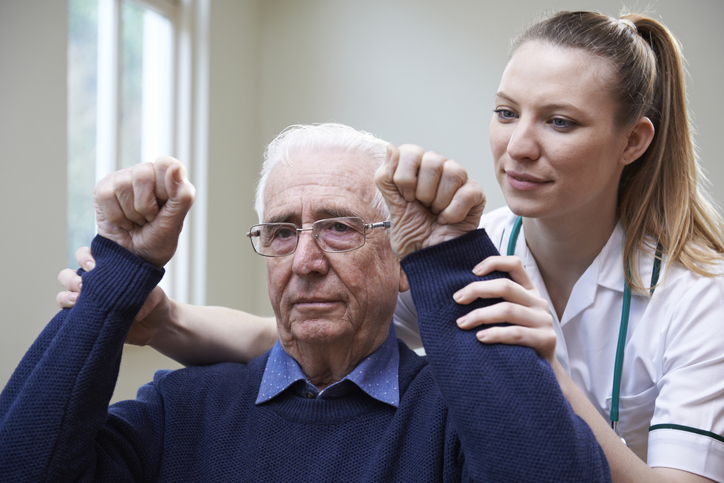
Experiencing a stroke is not just a physical ordeal; it can significantly impact speech and communication abilities. However, there are some practical strategies to support individuals in reclaiming their communication skills post-stroke. Let’s take a look from understanding the challenges to embracing innovative technologies and holistic approaches.
Understanding the Challenges
When a stroke occurs, it can cause an interruption in the intricate network of the brain’s communication centres. These centres are responsible for processing language and facilitating speech. Imagine navigating through a dense fog where every word feels like a distant echo, just out of reach. That’s the reality for many stroke survivors as they struggle to find the right words, articulate their thoughts clearly, and comprehend the language swirling around their heads. Family members and carers must gain insight into the daily struggles faced by their loved ones so they can better help and support them.
Technology Aids for Stroke Survivors:
Technology is a valuable tool in communication recovery. Speech-generating apps, communication boards, and other devices help stroke survivors express themselves. These tools can help make communication easier and encourage independence. Here are some examples of communication technology aids:
Speech-generating Apps
Speech-generating apps are a game-changer for stroke survivors with communication difficulties. These apps allow users to type or select pre-programmed phrases, which are then converted into audible speech. With customisable options and a user-friendly interface, individuals can express themselves more easily and clearly.
Communication Boards
Communication boards are aids that provide visual support for communication. These boards feature a grid of images, symbols, or words representing common phrases and concepts. Stroke survivors can point to the relevant symbols to convey their thoughts, facilitating communication when verbal expression is challenging.
Augmentative and Alternative Communication (AAC) Devices
AAC devices encompass a range of tools designed to enhance communication for individuals with speech impairments. These devices may include specialised tablets, speech-generating devices, or even eye-tracking systems. With cutting-edge technology, AAC devices help stroke survivors to communicate effectively.
Voice Recognition Software
Voice recognition software enables stroke survivors to dictate messages, emails, or documents using their voice. Advanced algorithms accurately transcribe spoken words into text, eliminating the need for manual typing. This technology offers a lifeline for people with limited dexterity or mobility post-stroke.
Speech Therapy Exercises
Speech therapy is physical therapy for the muscles involved in speech production. Individuals use exercises tailored to strengthen communication skills when working with a speech therapist. These exercises range from articulation drills to language comprehension activities, gradually restoring confidence and fluency. Consistent practice, along with lots of encouragement, often shows good progress.
Further Strategies and Support
Along with conventional approaches, a holistic approach to communication recovery encompasses various avenues of support. Joining support groups provides camaraderie and insights from other people experiencing similar challenges. Exploring new hobbies and interests can promote cognitive stimulation and social engagement, which helps with overall well-being. Some individuals may benefit from professional counselling to help address the emotional adjustments following a stroke, building resilience and coping strategies.
Integrating Mindfulness Practices
Mindfulness practices offer additional benefits in communication rehabilitation. Deep breathing, guided imagery, and progressive muscle relaxation can alleviate stress and enhance focus. Incorporating mindfulness into daily routines encourages a calm and centred mindset and promotes peace, empowerment and acceptance.
Eximius can help
Eximius offers live-in support to stroke survivors who need extra help with daily activities to allow them to live a whole and fulfilling life. We ensure a tailor-made support package to get precisely the support you need. Contact us here for more information.
You may also be interested in:
Relaxation Activities For Stroke Survivors
The Importance Of Physical Activity After A Stroke
Communication Problems Following A Stroke