
If you or a loved one are facing the challenges of Parkinson’s, you know how essential it is to find effective ways to manage the condition and improve overall well-being.
That’s where High-Intensity Interval Training (HIIT) comes in – a game-changing exercise approach that can potentially bring hope to those living with Parkinson’s.
Understanding Parkinson’s Disease
Parkinson’s is a neurological disorder that can affect movement, balance, and coordination. Daily activities that once seemed effortless may become more challenging over time. While current management strategies are helpful, we’re here to explore how HIIT can be a valuable addition to the toolkit for managing Parkinson’s.
What is HIIT?
Now you might be wondering, “What exactly is this HIIT thing?” High-Intensity Interval Training is a form of exercise that combines short bursts of intense activity with brief periods of rest or lower-intensity exercise. It’s a powerful workout technique that has gained popularity for its effectiveness in improving overall health.
The Power of Dopamine and Its Connection to Parkinson’s and HIIT
One of the key players in Parkinson’s disease is dopamine – a vital neurotransmitter responsible for coordinating movement and regulating emotions. In individuals with Parkinson’s, there is a gradual decline in dopamine production due to the loss of dopamine-producing neurons in the brain.
Here’s where the connection to HIIT becomes particularly intriguing. Research has indicated that high-intensity exercise, like HIIT, can stimulate dopamine release in the brain. This surge of dopamine may help compensate for the deficiency caused by Parkinson’s, temporarily improving motor function and reducing symptoms.
Benefits of HIIT for People with Parkinson’s
Engaging in HIIT regularly may promote the creation of new dopamine receptors in the brain, enhancing dopamine sensitivity and improving the brain’s ability to use the available dopamine more efficiently. As a result, individuals with Parkinson’s may experience temporary relief from motor symptoms and potentially see long-term benefits through consistent HIIT practice.
Enhancing Motor Skills and Coordination
Studies have shown that HIIT can positively impact gait and balance, which are often affected by Parkinson’s disease. HIIT exercises can help improve fine and gross motor skills, making it easier to perform day-to-day activities with greater confidence.
Boosting Cognitive Function
HIIT may stimulate neuroplasticity in individuals with Parkinson’s. This means that the brain’s ability to reorganise and adapt might be enhanced through HIIT, potentially leading to improvements in cognitive function.
Reducing Rigidity and Bradykinesia
Many individuals with Parkinson’s experience stiffness and slowness of movement. Research suggests that HIIT could be a promising way to address these symptoms, offering a potential alternative to traditional exercise approaches.
Managing Depression and Anxiety
HIIT can do more than just work up a sweat; it also helps release those feel-good endorphins that can lift your spirits and alleviate stress. For those with Parkinson’s, this could be a valuable tool in managing the mental health challenges that may arise.
Enhancing Overall Quality of Life
The ultimate goal is to improve the overall quality of life for those with Parkinson’s. HIIT has the potential to promote independence, self-confidence, and a greater sense of well-being.
Safety Considerations
As with any exercise routine, it’s essential to prioritise safety. If you’re considering starting HIIT, consult your healthcare professional to ensure it suits your needs. Additionally, always listen to your body and know when to take a break or modify the exercises
Take a look at the short video. The “King of HIIT”, Joe Wicks, speaks to Neuro-physiologist Milly Khan from Guys and St Thomas’ Hospital to talk about the benefits her patients are seeing from exercise and specifically HIIT.
Incorporating HIIT into Daily Life
Now that we’ve piqued your interest, you might wonder how to start with HIIT. Developing a personalised routine is vital; setting realistic goals and tracking your progress is crucial. Remember, every journey is unique, so find the exercises that suit you best and enjoy the process!
Ready to jump in and try a HIIT workout designed for individuals with Parkinson’s? Here is a 20 Minute HIIT Workout for Parkinson’s with Joe Wicks.

Understanding how a spinal cord injury (SCI) affects both our clients and their wider support network of friends and family helps us to provide the best care possible. It can also provide useful insight and guidance for people who are navigating their way with an SCI, for themselves or a loved one.
A spinal cord injury (SCI) can happen in the blink of an eye but have life-changing consequences.
Alongside the obvious physical effects of an SCI, the hidden impact on emotional and mental health requires equal care and attention.
It’s important that the right care is provided to help clients return to the highest level of function and independence possible, whilst improving their overall quality of life – physically, emotionally, and socially.
Emotional responses
There’s no right or wrong way to feel when your life is impacted by an SCI, whether the injury is your own or that of a loved one. No two injuries, experiences, circumstances, and reactions are the same. But what is completely normal is to experience constantly changing emotions.
It’s also important to recognise that many feelings are transient and the way you view and deal with the injury will evolve over time.
- You might experience shock and feel numb or disbelief upon learning of an SCI.
- You might feel anger and question why it happened to you and your family.
- You might feel sadness and mourn the loss of the life you previously had and the future life you had planned.
- You might feel overwhelmed and helpless due to the enormity of the physical, emotional, and financial impact of the SCI.
- You might feel stressed by the volume of information, decisions and responsibilities required.
- You might feel lost and unworthy and unsure of new roles within the family.
- Your own inexperience and external social attitudes to disability might cause you anxiety and apprehension around the future and how you and your loved ones will cope.
- You might feel frustrated by the pace or prognosis of your rehabilitation.
- You might have days where you feel both optimism and despair.
All of these are natural and normal and to be expected as you navigate your way.
Shifting roles and identities
The loss of physical independence and reliance on others can be one of the biggest adjustments to make with an SCI. Learning the physical limitations of what you can do independently whilst also getting used to someone else helping with your physical and personal care, can be emotionally and physically draining. This doesn’t happen overnight.
Inevitably, roles and identities within relationships and families shift following an SCI. The role of the individual with the SCI may be more passive than previously, with a different perceived contribution to family life and significant dependence on others. Their role at work, as a parent, as a spouse, invariably changes – and both they and others must adjust.
Some everyday activities that were taken for granted before the injury, must be re-thought and adapted for all members of the household.
For spouses, especially if they are providing care, the loss or barriers to physical intimacy are challenging to adjust to. Becoming a caregiver to a spouse changes the dynamics of the relationship.
How to move forward
Acknowledging both the negative and positive feelings is an essential part of understanding and living with an SCI. If negative feelings persist, it’s vital to reach out and seek help from a professional to find ways to cope, feel stronger and avoid sadness developing into depression.
It takes time to process the multi-faceted impact of an SCI: to understand the vast amount of medical knowledge shared; to make multiple decisions on the household’s new lifestyle, routines, roles, and responsibilities; to trust and build relationships with professionals involved in medical, physical, and emotional care; and to come to terms with the new day to day realities of living with an SCI.
Learning new approaches to the multiple aspects of everyday life to make things easier and more manageable for the entire household, can, ultimately make life more enjoyable and even bring a family closer together.
Reaching out and engaging relevant and experienced professionals can be vital when navigating an SCI. Whether your home needs adapting structurally or with specific equipment, or you need specialised care at certain times of the day or with certain tasks, or you just need someone to talk to, seeking external help can make a positive difference.
In the longer term, reintegration to work, family life, the community and socialising are essential and can be achieved by reclaiming or redefining roles. Old responsibilities may be lost, but new ones can be given which are appropriate and achievable. Engaging in meaningful activities is crucial to living an enjoyable and purposeful life.
Life might look and feel vastly different than it did previously but with time, and the right care and encouragement, life can be fulfilling once again. Relationships can strengthen and deepen, loved ones and life itself can feel more appreciated, and new careers or directions can flourish.
We understand the multiple challenges when caring for someone with a spinal cord injury. With the right care, our clients with SCIs continue to stay in their own home, and lead fulfilling, active, and independent lives.
If you or a loved-one would like to understand more about our bespoke spinal cord injury care or any of our services such as respite care, day or night live-in care, please get in contact, we’d love to help.

What is a spinal injury?
A spinal cord injury is damage to the spinal cord. It’s an extremely serious type of physical trauma that’s likely to have a lasting and significant impact on most aspects of daily life.
The spinal cord is a bundle of nerves and other tissue that the vertebrae of the spine contains and protects. The vertebrae are the bones stacked on top of each other that make up the spine.
The spine contains many nerves, and extends from the brain’s base down the back, ending close to the buttocks. The spinal cord is responsible for sending messages from the brain to all parts of the body. It also sends messages from the body to the brain.
If the spinal cord sustains an injury, some or all of these impulses may not be able to “get through.” The injury may be classed as complete or incomplete. The result is a partial or complete of sensation and mobility below the injury. A spinal cord injury closer to the neck will typically cause paralysis throughout a larger part of the body than one in the lower back area.
There are approximately 2,500 new cases of Spinal Cord Injury from trauma in the UK each year and the number of people living with a spinal injury in the UK is approximately 50,000.
what is spinal injury live-in care?
Live-in care for individuals with spinal injuries offers support in enhancing daily life, restoring independence, and managing daily activities. This care is typically provided by an experienced agency or specialised provider knowledgeable in spinal injury care.
Spinal cord injuries of any kind may result in one or more of the following signs and symptoms:
- Loss of movement
- Loss or altered sensation, including the ability to feel heat, cold and touch
- Loss of bowel or bladder control
- Exaggerated reflex activities or spasms
- Changes in sexual function, sexual sensitivity and fertility
- Pain or an intense stinging sensation caused by damage to the nerve fibres in your spinal cord
- Difficulty breathing, coughing or clearing secretions from your lungs
- In many cases after a spinal cord injury, individuals will require support and should be provided with choice about the type of care they receive whether that is in a care home, residential or live-in care.
In many cases individuals are unaware of live-in care. Receiving compassionate care in the safety and familiarity of your own home following a spinal cord injury has far reaching benefits, in terms of improving wellbeing, overall health and quality of life.
At Eximius we can help by providing highly trained companions to ensure clients can continue living in their own home, surrounded by loved ones.
We take a flexible and personalised approach to care helping ensure clients retain choice, control in life, and maintain as much independence as possible. Companions at Eximius go above and beyond to ensure clients and families are satisfied.
How our companions can help
Managing and administering medications
Medications may be used to manage some of the effects of spinal cord injury. These include medications to control pain and muscle spasticity, as well as medications that can improve bladder control, bowel control and sexual functioning.
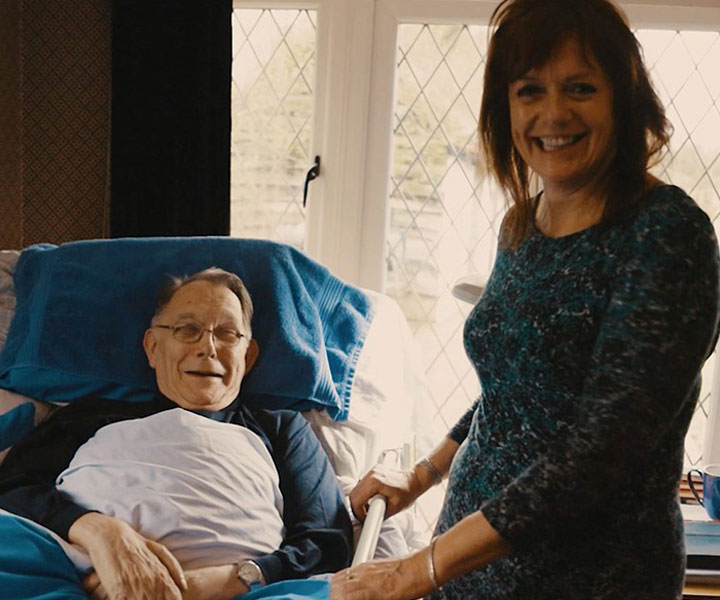
All companions at Eximius are fully trained and qualified in the administration of medication. We ensure that companions understand and are aware of the client’s medication usage before they go into placement. This helps ensure a smooth and accurate handover.
Additionally, companions are required to document the administration of medication on a secure care electronic system. This helps companions monitor intake and let a client’s family know that their loved one is being looked after.
This can be extremely reassuring. Companions will also ensure that repeat prescriptions are made and will collect medication from the pharmacy. This takes all pressure off the client’s family.
Personal care
Often individuals with a spinal cord injury have reduced mobility and are unable to carry out personal care themselves. Companions at Eximius can help assist clients with personal hygiene. We understand that this can be a sensitive matter and ensure that the client’s dignity is respected whilst helping with personal care.
Help them stay socially active
Our companions can help keep spinal injury clients stimulated by ensuring they keep in touch with friends, remain active and attend activities they enjoy and love. This is good for a client’s confidence, mental wellbeing and helps ensure they remain connected to the local community. Companions can also escort clients on daytrips to museums, concerts and on holiday. This helps ensure that our clients experience a quality life that they deserve.
Additionally, companion’s at Eximius can play a vital role in ensuring clients carry out exercise. Activity is the best way to keep a client’s body healthy, improve mental health and to avoid complications.
Research has demonstrated the benefits of activity in maintaining health and function as well as recovery. Companions at Eximius can help clients perform a range of motion exercises to help keep joints supple and assist with bowel, bladder, and skin care.
Movement of the legs and trunk keep the bowels moving and the urine in the bladder stirred, thereby reducing the client’s chances of infection. Moving the body by performing pressure releases, keeps small blood vessels from collapsing or clotting.
Help with domestic tasks
Companions at Eximius are required to keep a client’s house clean. All rooms are regularly cleaned and vacuumed ensuring that the upkeep of the house is kept to a high standard. This can be reassuring to a client’s family knowing that their relative is in a safe and tidy environment.
Help care for the client’s much-loved pet
Companions at Eximius will happily support looking after client’s pets by feeding them and taking them on regular walks.
Eating and drinking
At Eximius companions help with the client’s food shopping and cook healthy well-balanced meals. Meal choices can be prepared based on the client’s desires and preferences. This ensures that the client regularly eats/drinks and receives essential vitamins. This is important in remaining healthy and keeping their immune systems strong, which is helpful in fighting illness. Each companion is provided with an Eximius recipe book when going into a placement. The recipe book is filled with tasty healthy meals, which help ensure clients receive a range of delicious meals.
Companionship
Individuals with a spinal cord injury can become frustrated, depressed and their mental wellbeing can deteriorate. Companions at Eximius can provide excellent emotional support and assistance during this difficult period. Our companions are carefully selected by our recruitment manager, ensuring that all companions employed by the company are of an outstanding care standard. Companions are perfectly matched to a client to ensure they share similar interests and hobbies. This enables a client to continue living an interesting and stimulating life.
Safe mobility
An individual’s house often has to be adapted to help ensure safe movement and mobility. Companions at Eximius ensure that a client’s house is the perfect fit for them. They will contact an occupational therapist who will provide expert guidance and advice on what equipment and adaptations are required. These are then fitted into a client’s house, hassle free.
Furthermore, collaborative health and social care is essential and people with a spinal cord condition will often need the expert professional help of a multidisciplinary team. The multidisciplinary team can include a person’s specialist, physiotherapist, and occupational therapist.
Eximius play an important role in ensuring this is organised, appointments are scheduled, and doctors are attended on time. This takes all the pressure away from the client’s family and enables them to continue living a life, knowing their loved one is receiving a high standard of care.
Reasons to choose Eximius
Experience
Eximius have specialised in clients with spinal injuries since we started. We understand not only the physical concerns but also the emotional impact from a spinal injury. We have a team of carers who have extensive experience in this area and are able to support our clients and their needs. We also have a clinical lead and connections with The Spinal Injury Association (SIA) for specific requirements.
Training
Our carers are trained in all aspects of care for spinal injuries, including bowel management, AD, respiratory care and tissue viability. We use external trainers from Stoke Mandeville hospital and have our own bespoke internal training.
Consistency
We like to ensure the same carers are assigned to a client and always aim to have one primary carer. This helps to build trust and knowledge of a client’s needs.
Choosing the right care is an important decision and our experienced team are here to help every step of the way. Please do not hesitate to get in touch, we are more than happy to help.
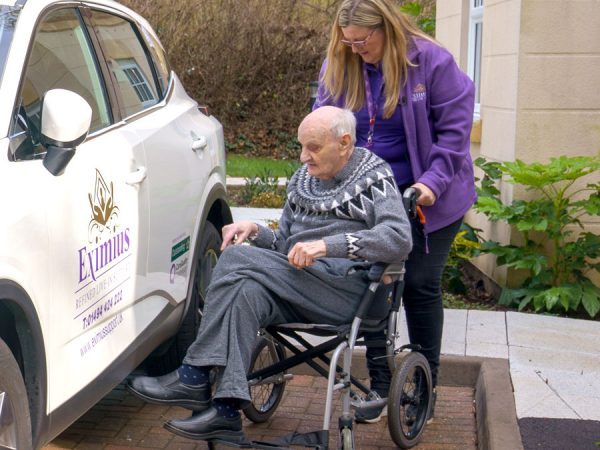
It can be overwhelming trying to understand, let alone decide between, the different care options available for you or your loved one. Every family has its own unique set of circumstances, concerns, and resources behind its journey to locate the right type of care. We recognise it can be challenging when making your choice.
We hope our comprehensive list of the pros and cons of Domiciliary Care versus Residential Care versus Live-in Care can help you make the right decision for you.
Domiciliary Care
Domiciliary care can also be known as hourly care and is for an agreed, fixed number of hours a day or week. A carer will visit you or your loved one in their own home and assist with meals, cleaning, shopping, and company within those set hours.
Advantages of domiciliary care
- Domiciliary care can enable you or your loved one to maintain some independence whilst staying within your own home.
- Remaining in familiar surroundings can provide stability and a sense of normalcy.
- It can be a flexible solution – with the type and frequency of care given able to be increased or decreased as needed.
- Domiciliary care is more widely known and can be more affordable than other care options as you pay only for your essential care needs.
Disadvantages of domiciliary care
- Domiciliary care can suffer from a lack of consistency or higher turnover of care workers which can be unsettling for those in receipt of the care. It is harder to cope with or build up trust with different people coming and going.
- Care is only on hand at the agreed times which can cause concerns of vulnerability and safety if help is unexpectedly needed outside of these hours.
- The type of care available can be limited and less suitable for more complicated health conditions.
Residential care
Residential care is usually for older people who may need support with day-to-day tasks such as washing or dressing but don’t require more specialist nursing care or dementia support.
Advantages of residential care
- Residential care can offer companionship as residents are living with people often of a similar age, and in similar circumstances.
- There can be a range of organised activities available designed to stimulate the mind and the body such as light exercise, quizzes, arts and crafts, etc.
- Trained and qualified personal and medical care staff are on duty round the clock.
- Residents will have a room to call their own which can be made to feel like home, with personalised touches.
- There is no need for you or your loved one to have to worry about grocery shopping, paying bills, gardening, or the general upkeep of a property.
Disadvantages of residential care
- The loss of independence and control can be hard to adjust to. Everyday occurrences that require support must be timetabled with staff availability and the needs of the other residents considered. This can mean a schedule for what time you get up and go to bed to what and when you eat.
- There can be restrictions on accessing the world outside of the residential home, which will be dependent upon staff and facilities required to support any planned excursions.
- Although residential care homes are staffed 24/7, the ratios of carers to residents and staff shift patterns can mean help is not always immediately available.
- Despite living in a community with lots of people, the absence of family and friends can result in loneliness.
- Feelings of displacement and rejection can be experienced in those who are no longer living in their own homes.
- The location of a residential home can result in visits from family and friends being less spontaneous and more restricted.
Residential care homes are typically the most expensive care option.
Live-in care
Live-in care provides support for day-to-day life by professional carers, or companions, who live with client’s allowing them to remain in their own homes. Personal, medical, and domestic needs are taken care of and this can comprise of live-in day care, live-in night care, live-in clinical care and live-in respite care.
Advantages of live-in care
- A bespoke care plan can be created and individually tailored around the personal, medical, and domestic needs of you or your loved one.
- Live-in care enables independence and safety for longer in the comfort of home, surrounded by familiar, personal belongings and memories. This can have an incredibly positive impact on general health and wellbeing.
- Live-in care can be built around an existing routine; making sure the favourite television programme isn’t missed, the regular catch ups with children or grandchildren can go ahead or the weekly trip to the Post Office still takes place. Clients can enjoy their own outside space, keep loved pets with them, and hobbies and interests can continue to be pursued.
- Visits with friends, family and connections with the local community can continue uninterrupted and unscheduled.
- Live-in care provides consistency in the care workers who are coming into the home. The same handful of familiar faces supporting you or your loved one, who learn the likes and dislikes, can quickly build into a trusting and reliable relationship, as well as companionship.
- Because the care is within the home, there is peace of mind that help is always immediately at hand, 24/7.
- It can be a particularly good and affordable option for couples, where maybe one or both need help, enabling them to stay together for longer, within their own home.
- Live-in care can be a cost effective and safe alternative to other types of care.
Disadvantages of live-in care
- Homes need to be able to accommodate the space and facilities needed for a care worker, which will depend upon the type of live-in care being used. For example, a private bedroom may be required, with clean bedding and towels and internet access.
- Living with a stranger can be challenging for some to begin with. At Eximius, we carefully select a carer or companion who has the experience, training, and personality to match the needs of our clients. One huge advantage our clients enjoy, is they get to know their carer or companion well, rather than having to cope with different people coming and going. Their carer or companion becomes an integral part of their life and a close family friend. This is particularly relevant when our clients require assistance with personal care. Having a companion that you know and trust to help in this sensitive situation is important.
- There can be anxiety when a trusted and familiar care worker goes on holiday or is unwell and unable to work. At Eximius, when your Live-In Care Worker is due to go on a break, a second Care Worker will be introduced. A number of Eximius carer profiles are sent over to the client before handover takes place. Profiles are carefully matched to the client to ensure they share similar interests and hobbies. This process helps ensure that breaks are covered correctly, a client is satisfied and a smooth handover occurs. If a new carer is being introduced, then we will aim to send a supervisor as well for a smooth handover and to make sure nothing is missed.
Next steps
If a recent visit raised questions for you read our blog post.
Whatever you decide, it’s essential to do your research and work with a care provider with a proven track record of delivering exceptional services geared to each individual client. Every family has a unique set of circumstances and resources driving their journey to find the right care provision and it’s important all your questions and concerns are addressed.
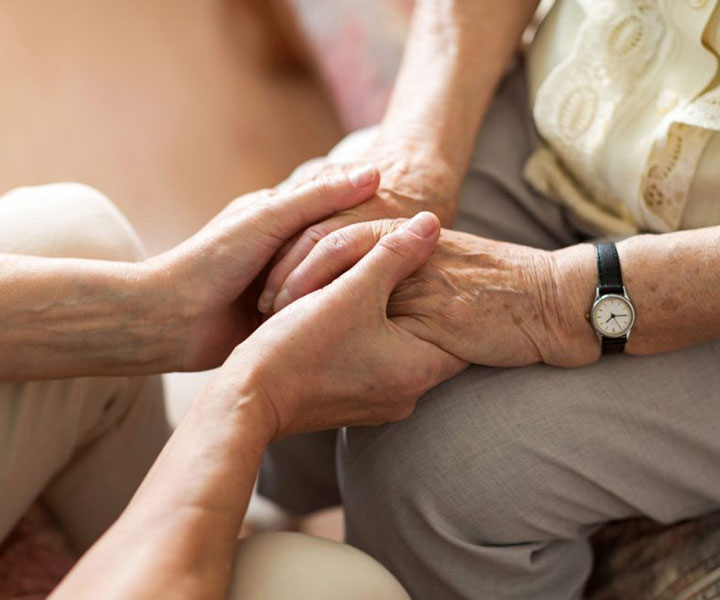
Get in touch. We can help
If you or a loved-one would like to understand more about the different care options available, please contact us for further information. We’d love to help.
Email: info@eximiussupport.uk

Caring for a loved one with complex medical needs can be challenging and emotionally demanding. When the need arises for PEG and NG tubes, it can add a layer of complexity to the caregiving process. As a live-in care company dedicated to providing comprehensive support, Eximius understands the unique requirements of families dealing with these situations. In this article, we aim to shed light on the intricacies of complex care and feeding, specifically focusing feedong tubes, to help families better comprehend and manage their loved ones’ medical needs.
Understanding complex care needs
Complex care involves the management of people with specific medical conditions, necessitating the use of PEG and NG tubes to ensure sustenance. Neurological disorders, swallowing difficulties, and gastrointestinal issues are the scenarios where these tubes might be needed. Understanding the significance of complex care becomes paramount in providing the best support.
What are PEG and NG tubes?
Percutaneous Endoscopic Gastrostomy (PEG) tubes and Nasogastric (NG) tubes are vital medical tools used to deliver nutrition and medications to individuals who can no longer consume food orally. PEG tubes are inserted directly into the stomach through a minor surgical procedure, whereas NG tubes are temporarily placed through the nose and into the stomach. Both types of tubes serve to meet the nutritional needs of the people who need them.
The role of PEG and NG tubes in complex care
The use of PEG and NG tubes plays a pivotal role in the management of complex care needs. These tubes offer several benefits, including providing a safe and efficient means of delivering essential nutrients and medications directly to the digestive system. Additionally, they help prevent aspiration, a serious risk when individuals have difficulty swallowing. Nevertheless, it is essential to recognise that the insertion and maintenance of these tubes require skilled medical attention and diligent caregiving.
The emotional and practical impact on families
Caring for a loved one with PEG and NG tubes can have profound emotional and practical consequences for families. The daily routines are impacted as caregivers need to adapt to the specialised feeding and medication administration regimens. The emotional toll of witnessing their loved one’s medical struggles can be overwhelming, making it vital for families to seek support from healthcare professionals and external care services.
Partnering with Live-in Care Companies like Eximius Support
In the journey of providing complex care for loved ones with PEG and NG tubes, partnering with reputable live-in care companies like Eximius Support can make a world of difference. Our dedicated carers are extensively trained to handle complex care needs, including managing PEG and NG tubes. With our expertise, families can find relaxation in knowing that their loved ones receive the highest care, compassion, and attention.
Ensuring quality care for loved ones
Maintaining open communication with healthcare professionals and carers is crucial for families providing care for individuals with PEG and NG tubes. Regular consultations with medical teams ensure that care plans remain up-to-date and optimised for the best possible outcomes. Continuous monitoring of the individual’s health and response to treatments enables caregivers to make timely adjustments to care routines, enhancing the overall quality of life.
Embracing a Positive and Supportive Environment
While challenges undoubtedly exist, fostering a positive and supportive environment for both the individual and their caregivers will have a positive impact. Encouraging self-care among family members helps prevent carer burnout and ensures they can provide the best care possible. Seeking and embracing support networks, such as groups and educational resources, can also be invaluable in navigating this journey.
The road to managing complex care and feeding needs, particularly those involving PEG and NG tubes, may be daunting, but it is not one that families have to walk alone. With the support of compassionate and knowledgeable live-in care companies like Eximius Support, families can confidently navigate the challenges and provide their loved ones with the utmost care and attention they deserve.
Contact us here to learn more about how we can help you and your loved one.
You may also be interested in the following:
How Eximius chooses carers and companions
5 Top Tips to Help Carers to Care for Themselves
Live-in Care: Nurturing Mental Well-being for Carers and the Cared For
Going Above and Beyond: Our Little Touches Make a Big Difference

Spring is here, which brings about warmer temperatures, blooming flowers, and longer days. This time of year is the perfect opportunity for older adults to focus on health and well-being. Here, we will explore various spring wellness tips for the elderly loved ones in your life.
Outdoor Activities for Older People
Spring offers an ideal climate for older people to engage in outdoor activities that promote physical fitness and mental well-being. As the chill leaves the air, it’s a great time to explore nature again through leisurely walks in the park, gentle hikes, or outdoor picnics. Gardening is another excellent activity that allows us to connect with nature while engaging in light exercise. Birdwatching and nature photography are enjoyable outdoor hobbies promoting mindfulness and relaxation. Spending time outdoors provides physical benefits, boosts mood, and reduces stress levels.
Managing Seasonal Allergies:
While spring brings a sense of renewal, it also triggers seasonal allergies for many of us. Pollen, dust, and other allergens can exacerbate respiratory symptoms, leading to discomfort and reduced quality of life. It’s a good idea to stay informed about local pollen forecasts and take proactive measures to minimise exposure. This may include keeping windows closed on high pollen days, using air purifiers indoors, and wearing protective masks during outdoor activities. Additionally, ensure you can access allergy medications, nasal sprays, and other remedies to alleviate symptoms and improve comfort.
Staying Safe Outdoors
With longer daylight hours and milder temperatures, spring offers an opportunity to incorporate outdoor activities into daily routines. These can include supervised outings to local parks or organised group walks to encourage physical activity and social interaction. Remembering hydration levels and staying protected from sun exposure during outdoor activities is also crucial.
Nutritional Advice for Spring:
Spring brings an abundance of fresh fruits and vegetables, offering you an opportunity to embrace seasonal produce that is both nutritious and delicious. Try to incorporate a variety of colourful fruits and vegetables into your diet, such as strawberries, asparagus, spinach, and artichokes. These foods are rich in vitamins, minerals, and antioxidants, essential for maintaining overall health and supporting immune function. Don’t forget to stay hydrated! Along with drinking plenty of water, consume hydrating foods like cucumbers, melons, and leafy greens.
Promoting Mental Well-being
In addition to physical health, we need to prioritise mental well-being. With the longer days and milder weather, spring is the perfect season to get involved in activities that stimulate the mind and promote social connection. This could include activities such as joining a book club, participating in group classes or workshops, or volunteering in the community. Engaging in meaningful activities can boost self-esteem, reduce feelings of loneliness, and enhance overall quality of life. Stay connected with friends and family through phone calls, video chats, or in-person visits, and reach out for support if you are experiencing feelings of isolation or depression.
If you need more support around the home in your day-to-day life, Eximius can help. Get in touch to learn more about how our caring companions can help you live your life to the fullest.
You may also be interested in:
Loneliness In The Elderly And How To Prevent It
How To Keep Mentally Active As You Age
Five Easy Tips to Stay Physically and Mentally Active in Later Life in
Spotting And Managing Dehydration In The Elderly

It’s important that we understand the significance of healthy ageing and its impact on overall well-being, particularly for men. Studies show that women are more likely than men to seek health care. The result of this limited care is one factor that is contributing to serious health diagnoses and shorter life spans for men.
So here you will find practical tips and guidance to enhance your health as you age. Read on to explore the factors that contribute to your overall health and happiness. Our aim is to empower you with the knowledge and tools necessary to live your best life as you age gracefully.
Embracing an Active Lifestyle
Regular physical activity is key to maintaining your health and well-being as you age. It improves cardiovascular health, enhances muscle strength, and promotes joint flexibility. Engageing in physical activity also reduces the risk of chronic conditions such as heart disease, diabetes, and osteoporosis.
To stay active, consider incorporating age-appropriate exercises into your routine. Strength training exercises, such as lifting weights or resistance bands, help maintain muscle mass and bone density. Cardiovascular exercises like walking, swimming, or cycling improve heart health and circulation. Flexibility exercises, such as yoga or stretching, keep your joints mobile and help prevent injuries.
Finding ways to incorporate physical activity into your daily routine can be enjoyable and manageable. Consider taking brisk walks in the morning or evening, engageing in gardening or yard work, or joining group exercise classes tailored for older people. These activities not only provide exercise but also offer opportunities for social connections and a sense of purpose.
Nourishing Your Body for Optimal Health
Maintaining a balanced and nutritious diet is crucial for healthy ageing. It provides essential nutrients, supports immune function, and helps prevent chronic diseases. Eating well can also improve cognitive function, boost energy levels, and enhance overall vitality.
Aim to include adequate protein for muscle maintenance, fibre for digestive health, calcium for bone strength, and vitamins such as B12 and D for overall well-being. Lean meats, fish, whole grains, fruits, vegetables, and low-fat dairy products are excellent sources of these nutrients.
Taking notice of portion control, meal planning, and mindful eating can help you maintain a healthy weight. Focus on filling half your plate with fruits and vegetables, opting for whole grains instead of refined carbohydrates, and choosing lean protein sources. It’s also important to stay hydrated and limit the intake of sugary drinks and processed foods. You may want to consider consulting with a nutritionist or dietitian for personalised advice and meal plans tailored to your specific needs.
Prioritising Mental and Emotional Well-being
Mental and emotional well-being are vital aspects of healthy ageing. Taking care of your mental health can improve cognitive function, memory, and overall life satisfaction. It also helps you cope with challenges and maintain strong relationships with loved ones.
Keeping your mind active and engaged is essential. Engage in activities that promote mental stimulation, such as reading books, solving puzzles or crosswords, and learning new skills. Additionally, maintain social connections and engage in meaningful conversations, as these interactions contribute to cognitive vitality and emotional well-being.
Manageing stress effectively is crucial for your mental well-being. Explore relaxation techniques such as deep breathing exercises, meditation, or yoga to reduce stress levels. Importantly, don’t hesitate to reach out to friends, family, or professionals for support when needed.
Preventive Healthcare
Preventive healthcare plays a vital role in healthy ageing. Regular check-ups, screenings, and vaccinations can help detect potential health issues early and prevent them from progressing. Schedule routine visits with your healthcare provider and discuss age-appropriate screenings, such as blood pressure checks, cholesterol screenings, and cancer screenings.
Take an active role in your healthcare by communicating openly with your healthcare providers. Discuss any concerns or questions you may have and actively participate in making informed decisions about your health. Your involvement in your own care empowers you and ensures that your healthcare aligns with your needs and preferences.
Social Connections and Support
Maintaining social connections and meaningful relationships is crucial for your overall well-being. Strong social networks provide emotional support, reduce feelings of isolation, and enhance mental and physical health.
Engage in activities that allow you to connect with others and build new relationships. Join a club or organisation that aligns with your interests, participate in community events or classes, or volunteer for causes that you are passionate about. These activities provide opportunities to meet like-minded individuals and expand your social circle.
Adapting the Living Environment for Safety and Comfort
Creating a safe and comfortable living environment allows you to maintain independence, reduce the risk of accidents, and enhance your overall well-being.
Consider making necessary modifications to your home to ensure safety and comfort. Install grab bars in the bathroom and near stairways to prevent falls. Improve lighting throughout your home to enhance visibility and reduce the risk of accidents. Remove tripping hazards, such as loose rugs or cluttered pathways, to create a safer environment.
Assistive devices and technologies can enhance your independence and safety at home. Items like walking aids, shower chairs, or raised toilet seats support mobility and reduce strain. Explore smart home technologies that can assist with tasks like medication reminders, home security, and emergency response systems. These tools can provide added peace of mind and support your overall well-being.
When you need extra help
Here at Eximius, we understand the unique needs and challenges that come with ageing. We offer tailored care plans and a wide range of services. If you or an older gentleman you know would benefit from some extra help to live their best life, get in touch to see how we can help.
You may also be interested in the following:
11 Tips to Encourage Eating in Elderly People With No Appetite
Common Sleep Disorders in Older Age
How To Keep Mentally Active As You Age

Valentine’s Day may be over, but it’s always a good time to express our affection to our partners and to all we hold dear, including the eldest members of our families. Love has the power to transcend generations, enriching the lives of our elderly loved ones and strengthening family bonds. Here are some ways to celebrate love with the older people in our lives: creating new traditions, reminiscing over cherished memories, and highlighting how we can help make every client feel loved and valued.
The Universal Language of Love
Love is a universal language that knows no age. Families need to show love and appreciation to their elderly members, acknowledging their significance in our lives. Celebrating love with our elderly loved ones can have an impact on their well-being, bringing joy, reducing feelings of loneliness, and ensuring they feel a sense of belonging. We witness daily the positive effects of love and connection on the health and happiness of our clients.
Celebrating Love with Elderly Loved Ones
Creating New Traditions
Our carers can help you start new traditions that include elderly family members. These can range from a family craft night, where everyone creates handmade cards, to a virtual movie night featuring classic love stories. Not only do these activities bring the family together, but also encourage creativity and storytelling among generations.
Our carers will always assist in organising these activities, ensuring that every family member, regardless of their physical or cognitive abilities, can participate and enjoy. Whether it’s setting up a video call for a virtual gathering or helping with crafting supplies, our carers and companions are there to support these precious moments.
Reminiscing Over Old Memories
Encouraging our elderly loved ones to share memories can be incredibly rewarding for all generations. It’s an opportunity to learn about family history, to hear tales of love that have stood the test of time, and to connect with our elders on a deeper level. These shared moments of reminiscence are invaluable, helping to preserve family legacy and strengthening the bonds between generations.
Gift Ideas to Show Love and Appreciation
Selecting the perfect gift for an elderly loved one should be thoughtful, reflecting their interests and needs. Personalised photo albums filled with memories, cosy throws for chilly evenings, or audiobooks featuring their favourite stories or genres can make beautiful presents that express care and consideration.
The Role of Eximius Caregivers in Celebrating Love
At Eximius Support, our carers and companions go beyond day-to-day care; they are friends to our clients, showing love and respect at all times. Whether through small daily gestures, like preparing a favourite meal or arranging a surprise video call with distant family members, our carers always go the extra mile to ensure that our clients feel valued and loved.
At Eximius Support, we are dedicated to nurturing these connections while providing comprehensive care that enriches the lives of our clients and their families. Contact us here for more information on the care we can offer your loved one.
Further Reading
Navigating Stress for Older Adults
The Importance of Company During the Holidays
Top Tips for Boosting Immunity in Older Adults
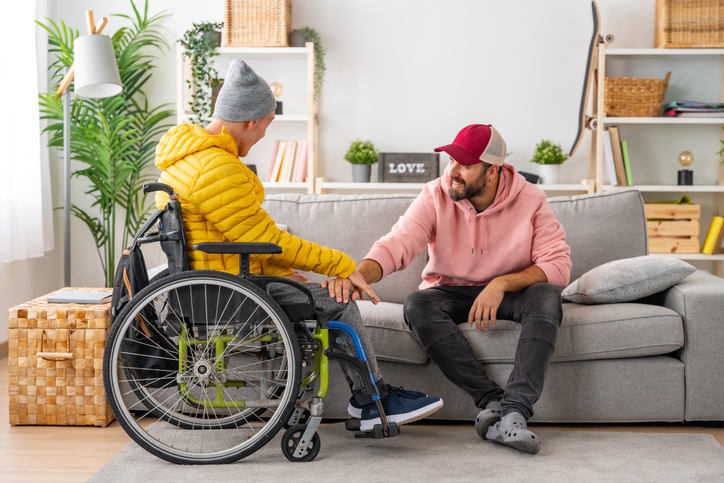
Motor Neurone Disease (MND) is a degenerative neurological condition that affects the nerves in the brain and spinal cord. The disease leads to the death of motor neurons responsible for controlling voluntary muscle movements. As a result, people with MND experience progressive muscle weakness and wasting, which can eventually lead to complete paralysis.
MND affects people of all ages, although it is more commonly diagnosed in people over the age of 50. The disease can progress rapidly, with some people experiencing significant disability within a few months of diagnosis, while others may live for several years with milder symptoms. Our aim is to raise awareness, promote understanding, and offer hope to those impacted by this challenging disease.
Symptoms of MND
The symptoms of MND can vary from person to person, depending on which motor neurons are affected. The most common symptoms include:
- Muscle weakness, particularly in the arms and legs
- Difficulty with speech and swallowing
- Muscle cramps and twitches
- Fatigue and tiredness
- Difficulty breathing
- As the disease progresses, people with MND may experience additional symptoms such as weight loss, muscle stiffness, and difficulty with fine motor skills such as writing or buttoning clothes.
Challenges Faced by People with MND
Living with MND can be incredibly challenging for the person with the disease and their loved ones. Some of the main challenges faced by people with MND include:
Loss of independence
As the disease progresses, people with MND may require assistance with everyday tasks such as dressing, bathing, and eating. This loss of independence can be a difficult adjustment.
Communication difficulties
As the disease affects the muscles responsible for speech, people with MND may experience difficulties communicating with others. This can be frustrating and isolating, particularly if the person cannot express their needs and wishes.
Emotional impact
Living with a progressive disease can be emotionally challenging, and people with MND may experience a range of emotions, including sadness, anger, and anxiety. They must have access to emotional support through family and friends or professional counselling services.
Financial strain
People with MND may require significant medical care and support, which can be expensive. Additionally, the person may need to stop working due to their condition, which can lead to financial strain for themselves and their family.
Caring for Someone with MND
Caring for someone with MND can be a demanding and emotional experience. It requires a lot of patience, empathy, and understanding. Caregivers need to be able to provide physical and emotional support and assist with practical tasks such as medication management and personal care.
One of the most important things for caregivers to remember is prioritising the person’s independence and dignity. This means allowing the person to do as much as they can for themselves while also providing support and assistance when needed. This helps the person to maintain a sense of control over their life, which can be important for their emotional wellbeing.
Caregivers must also be prepared for the physical challenges of caring for someone with MND. This could involve learning how to safely transfer the person from bed to chair or assist with feeding and bathing. It is important to seek professional training and advice on these tasks to ensure that the person receives the best possible care.
In addition to physical care, caregivers must also provide emotional support to the person with MND. This may involve listening to their concerns and fears, providing reassurance and comfort, and helping them to stay engaged with the world around them. Carers should also be aware of their own emotional needs and seek support when necessary.
Providing Live-in Care for People with MND
At Eximius, we understand the challenges faced by people with MND and their families. We provide live-in care services that are tailored to the individual’s needs and preferences. Our highly trained and experienced companions can assist with all aspects of daily living, including personal care, meal preparation, medication management, and mobility support.
If you or a loved one is living with MND, Eximius can provide the support you need to live a comfortable and fulfilling life. Our services are available throughout the UK and can be tailored to meet your unique needs and preferences. Contact us today to learn more about how we can support you.
You may also be interested in:
Live-in Care: Nurturing Mental Well-being for Carers and the Cared For
Chronic Disease Diagnosis: The New Next Steps In Your Life
5 Top Tips to Help Carers to Care for Themselves
Dementia is a progressive condition that affects a person’s cognitive abilities, including memory, language, and decision-making. There is no single test to diagnose dementia, and a combination of assessments and tests is usually required. This process can be carried out by a GP or a specialist at a hospital.
Taking a medical history
The diagnostic process usually begins with a history-taking session, which is generally conducted by a GP. A more detailed history is taken if a person is referred to a specialist. It’s helpful to have someone who knows the person well, such as a family member, accompany them to the appointment, as they can describe any changes or problems they have noticed.
During the history-taking session, the doctor will ask questions about when the symptoms started and how they affect the person’s daily life. They will also check whether any existing conditions, such as heart disease, diabetes, depression or stroke, are being appropriately managed. The doctor will review any medicines the person takes, including prescribed drugs, over-the-counter medications, and alternative products such as vitamin supplements.
Mental ability tests to diagnose dementia
Mental ability tests, also known as cognitive assessments, are carried out to diagnose dementia. These tests evaluate a person’s mental abilities, such as memory or thinking. A typical test used by GPs is the General Practitioner Assessment of Cognition (GPCOG), which involves a series of pen-and-paper tests and questions, each of which carries a score. While these tests cannot diagnose dementia, they may indicate that memory difficulties require further investigation.
The cognitive assessments evaluate several mental abilities, including short- and long-term memory, concentration, attention span, language, communication skills, and awareness of time and place. However, it’s important to note that a person’s level of education may influence test scores. For example, someone with a lower level of education may have a lower score, even if they do not have dementia. Similarly, someone with a higher level of education may achieve a higher score but still have dementia.
Blood tests to check for other conditions
Blood tests are also conducted to check for other conditions that can cause symptoms similar to dementia. The tests usually check liver function, kidney function, thyroid function, haemoglobin A1c (to check for diabetes), and vitamin B12 and folate levels. If there is a suspicion of an infection, a urine test or other investigations may be required.
Dementia brain scans
Once more straightforward tests have ruled out other problems, brain scans are often used to diagnose dementia. Memory tests and brain scans cannot diagnose dementia independently, but they are used as part of the broader assessment. Not everyone will need a brain scan, especially if the tests and assessments indicate that dementia is likely. These scans can also check for evidence of other possible problems that could explain a person’s symptoms, such as a stroke or a brain tumour.
An MRI scan is usually recommended to confirm a diagnosis of dementia and the type of disease-causing dementia. In addition, it can provide detailed information about the blood vessel damage that happens with vascular dementia or show areas of shrinkage that can indicate frontotemporal dementia and Alzheimer’s disease.
A CT scan can be used to check for signs of a stroke or a brain tumour. Still, it cannot provide detailed information about the brain’s structure. So even if a brain scan does not show any noticeable changes, it does not necessarily mean that someone does not have dementia.
Other scans and procedures to diagnose dementia
In some cases, other scans and procedures, such as a SPECT or a PET scan, may be recommended if the result of an MRI or CT scan is uncertain. These types of scans look at how the brain functions and can pick up abnormalities with blood flow in the brain. An EEG may also be taken if a specialist suspects that.
While receiving a dementia diagnosis can be daunting, it’s essential to remember that early diagnosis can help manage the condition and plan for the future. Additionally, support and care are available for people with dementia and their families, including information and resources from dementia charities and support groups. Ultimately, seeking medical advice and support as soon as possible is crucial for people concerned about symptoms of dementia or who have a family history of the condition.
Eximius can help
Here at Eximius, we provide dedicated and compassionate live-in care to people with various conditions, including dementia. If you want to learn more about how we can help you or a loved one, we’d love to hear from you. You can contact us here.
You may also be interested in the following:
What happens in the early stages of dementia?
Supporting our clients with Dementia
What is Rapidly Progressive Dementia?

The 11th of September marks the start of Rheumatoid Arthritis Awareness Week, a time to shed light on a chronic condition that affects millions worldwide. Rheumatoid arthritis (RA) is more than just joint pain—it’s a complex autoimmune disorder that demands our attention, understanding, and support. In this blog post, we’ll explore what RA is, its impact on patients’ lives, treatment options, and the vital role caregivers, relatives, and health professionals play in the journey of those affected by this condition.
Understanding Rheumatoid Arthritis
Rheumatoid arthritis is an autoimmune disorder that causes the body’s immune system to mistakenly attack healthy joint tissues, resulting in pain, inflammation, and potential joint damage. It’s crucial to distinguish RA from osteoarthritis, which is more commonly associated with joint wear and tear. RA can strike anyone, but certain risk factors, including genetics and environmental triggers, can increase susceptibility.
Signs and Symptoms
While the symptoms can vary from person to person, there are common indicators that individuals should be aware of to seek timely medical attention and effective management.
Joint Pain: Joint pain is one of the hallmark symptoms of RA. The pain is often characterised as aching, throbbing, or sharp, and it tends to be worse in the morning or after periods of inactivity.
Joint Swelling: Inflammation associated with RA can cause swelling and tenderness in the affected joints. The joints may feel warm to the touch and appear visibly swollen.
Joint Stiffness: Stiffness is a common early symptom of RA. People with RA may experience stiffness, especially in the morning or after prolonged rest periods. This can limit their ability to move the affected joints comfortably.
Fatigue: Fatigue is a frequent complaint among individuals with RA. The inflammation and chronic pain associated with the condition can lead to persistent fatigue, impacting daily activities and overall quality of life.
Joint Redness and Warmth: Inflamed joints might appear red and warm due to increased blood flow and immune activity in the affected areas.
Loss of Joint Function: Over time, untreated RA can lead to joint damage and deformities, resulting in loss of joint function and decreased range of motion.
Symmetrical Involvement: RA often symmetrically affects joints on both sides of the body. For example, if a joint in the left hand is affected, the same joint in the right hand is likely also affected.
Other Symptoms: RA is a systemic disease, meaning it can affect the entire body. Other symptoms may include low-grade fever, loss of appetite, weight loss, and general malaise.
Early Diagnosis and Management:
Early diagnosis and intervention are crucial for effectively managing RA and preventing joint damage. Rheumatologists are specialists in diagnosing and treating autoimmune conditions like RA. They typically use a combination of approaches to diagnose RA:
Physical Examination: Rheumatologists examine the affected joints for signs of inflammation, swelling, and tenderness.
Blood Tests: Blood tests, including rheumatoid factor (RF) and anti-cyclic citrullinated peptide (anti-CCP) antibody tests, can help confirm the diagnosis and assess the severity of the disease.
Imaging: X-rays and other imaging tests can reveal joint damage, inflammation, and changes over time.
Medical History: Information about the patient’s symptoms, their duration, and family history of autoimmune diseases is vital in making an accurate diagnosis.
Treatment and Lifestyle Management
Treatment for RA aims to reduce inflammation, relieve pain, prevent joint damage, and improve overall quality of life. Treatment plans may include:
Medications: Nonsteroidal anti-inflammatory drugs (NSAIDs), disease-modifying antirheumatic drugs (DMARDs), and biologic agents are commonly prescribed to manage RA.
Physical Therapy: Physical therapy can help maintain joint function, improve mobility, and strengthen muscles around affected joints.
Lifestyle Changes: A healthy lifestyle involving regular exercise, a balanced diet, stress management, and adequate rest can play a significant role in managing RA symptoms.
Pain Management: Pain relief strategies, including heat/cold therapy and assistive devices, can provide comfort and improve joint function.
Impact on Patients’ Lives
Living with rheumatoid arthritis is a daily challenge that extends beyond physical discomfort. The unpredictability of symptoms, chronic pain, and limitations on mobility can take a toll on mental and emotional well-being. Patients might experience frustration, anxiety, and depression. Family and carers must recognise the impact of RA beyond the physical and offer support that extends beyond medical treatments.
Rheumatoid Arthritis Awareness Week: How to Get Involved:
Rheumatoid Arthritis Awareness Week is a time to unite, educate, and advocate. As caregivers, relatives, or health professionals, you can play a significant role in raising awareness about RA. Use relevant hashtags to engage on social media by sharing information, personal stories, and resources. Participate in local awareness events, workshops, and seminars to learn more about the condition and show your support.
Eximius Support
Are some day-to-day tasks starting to feel overwhelming to you or a loved one? Or maybe you don’t have many friends or relatives nearby that you can ask for help. Depending on your needs, Eximius has a range of support available, from daily check-ins to 24/7 live-in support. If you’d like to know more about our support, we’d love to hear from you.
Additional Resources:
Remember that learning is an ongoing process. If you’re seeking more information, support, or resources related to rheumatoid arthritis, here are some reputable organisations you can turn to:
National Rheumatoid Arthritis Society (NRAS)
The British Society for Rheumatology (BSR)
You may be interested in the following:
Living well with Osteoarthritis
Helpful gadgets if you’re living with arthritis

World Photo Day is just around the corner, and we’re so excited to celebrate the magic of photography in preserving our most cherished memories. Memories are like little treasures that warm our hearts, especially for our elderly loved ones. They hold so much meaning and bring comfort when we reflect on the good times. So, let’s dive into the power of memories and how photography makes it all possible.
World Photo Day – A Worldwide Party for Photography Lovers
World Photo Day is like a worldwide party for photography lovers! It’s a special day when we all come together to honour the beauty of photography and how it captures those precious moments that last forever. From jaw-dropping landscapes to silly selfies with friends, photos let us freeze time and hold on to the best parts of our lives.
Preserving Memories
Each snap of the camera is like a little time capsule, storing the feelings, people, and places we hold dear. It’s incredible how a single photo can take us back to that moment, making us smile or even shed a tear of joy. Sharing these pictures with our loved ones is like passing down a piece of our hearts to the next generation.
The Healing Power of Nostalgia
Nostalgia is a powerful thing, and looking through old photo albums is a truly heartwarming experience, especially for older people. Those memories bring back so much happiness, and they connect different generations. Sitting together and sharing stories behind the photos is like a time-travelling adventure that strengthens family bonds and creates beautiful legacies.
Tips for Preserving Memories
Ready to capture some memorable moments? Here are some helpful tips for you!
Embrace Spontaneity
Embrace spontaneity and let those candid shots capture real emotions and genuine giggles. The magic lies in capturing moments as they unfold naturally.
Honour Milestones
Remember to celebrate the big milestones, too – they deserve a special photo! Whether it’s a birthday, anniversary, or graduation, capturing these moments preserves the occasion’s significance.
Organise and Digitize
Thanks to technology, organising and keeping those precious pictures safe and sound on your computer or cloud storage is super easy. Create folders and albums to keep your memories organised and easily accessible.
Unveil the Narrative
Adding little captions to your photos makes them even more special and brings out the storytelling magic! Describing the context behind each picture enriches their meaning and makes them even more enjoyable to share.
Celebrating World Photo Day with Elderly Loved Ones
World Photo Day is the perfect time to bond with our elderly loved ones and make beautiful memories together. So, why not organise a photo-themed event with the whole family? Share those adorable baby pictures and hilarious vacation snapshots – it’ll be a blast! And don’t forget to create a heartfelt slideshow with your family’s favourite memories. Prepare for laughter and maybe a few happy tears!
So, grab your camera or phone and prepare to capture some incredible moments! Remember, every click tells a story of love, laughter, and the beauty of life itself. Happy World Photo Day, everyone!
To learn more about our live-in care services and how we celebrate memories, head to our website at Eximius Support.

The 7th to the 13th of August is Afternoon Tea Week. We can’t help but reflect on the value of companionship and community, especially for our elderly loved ones. At Eximius Support, we ensure everyone feels cherished, connected, and part of a loving community. So, let’s brew a comforting cup of tea and dive into why companionship is so essential.
The loneliness epidemic among the elderly
It’s no secret that loneliness can take a toll on anyone’s well-being, and our elderly population is no exception. Studies have shown that many people experience feelings of isolation, which can negatively affect their mental and physical health. That’s where companionship becomes so essential.
The value of companionship
Imagine the warmth and comfort of having a caring companion by your side. Companionship provides emotional support, lifts spirits, and banishes those feelings of solitude. At Eximius Support, we’ve witnessed the incredible transformation that occurs when our clients are surrounded by friendly faces, forming bonds that light up their lives.
The power of community
Community plays a starring role in our happiness. Being part of a community gives people a sense of belonging and purpose. Whether through social clubs, local events, or neighbourhood gatherings, connecting to a community can brighten someone’s day.
Tips for encouraging companionship and community
Here are some practical tips on how you can nurture companionship and community for the loved ones in your life:
- Be present: Spend quality time with your elderly loved ones, engage in conversations, and actively listen to their stories.
- Join local clubs: Encourage your loved ones to participate in community activities where they can meet like-minded individuals and make new friends.
- Embrace Afternoon Tea Week: Organize a cosy afternoon tea gathering for your elderly friends or family. It’s the perfect excuse to share delicious treats and create cherished memories.
How You Can Get Involved
As we celebrate Afternoon Tea Week, we invite you to join us in making a difference in the lives of our elderly loved ones. Participate in local events, support community initiatives, and spread the word about the importance of companionship and community for the elderly.
Let’s ensure everyone feels the warmth of companionship, like a comforting cup of afternoon tea. So, put the kettle on, invite your loved ones, and raise our teacups to friendship and community!
Eximius Support: Nurturing Companionship and Community
At Eximius Support, we take great pride in putting companionship at the heart of our care approach. Our compassionate companions don’t just provide physical assistance; they also become trusted friends and confidantes for our elderly clients. We’ve seen how these bonds grow stronger each day, filling their lives with joy and meaning.
Visit us here to learn more about how Eximius can provide companionship to your loved one.
You may also be interested in the following:
How Eximius chooses carers and companions
Loneliness Awareness Week: Supporting Our Elderly Loved Ones
How live-in carers can help elderly people feel less lonely

At Eximius Support, we deeply understand and cherish the vital role of friendship in the lives of the elderly and their carers. As World Friendship Day approaches, we take this opportunity to explore the deep significance of friendship, the global celebration of this special day, and how we actively encourage meaningful connections among our elderly clients.
The Significance of Friendship in the Lives of the Elderly
Friendship holds immense importance in the lives of the elderly, as it contributes to their mental, emotional, and physical well-being. Genuine connections and companionship alleviate feelings of loneliness and isolation, while boosting self-esteem and providing a comforting sense of belonging. Research consistently highlights the positive impact of strong social relationships on the overall health, longevity, and quality of life of elderly individuals.
World Friendship Day: A Global Celebration of Connection
Every year, on July 30th, the world comes together to observe World Friendship Day—a joyous celebration that recognises and honours the universal value of friendship. It is a beautiful reminder to embrace inclusivity, empathy, and understanding among people of all ages and backgrounds. On this day, people worldwide are encouraged to embrace the bonds of friendship and strengthen them further.
The Impact of Friendship in Elderly Care
In elderly care, friendships play a profound role in enhancing overall well-being. Meaningful relationships with carers, friends and family bring immeasurable joy, purpose, and fulfilment to the lives of the elderly. These friendships provide essential emotional support and social interaction and offer precious opportunities for shared experiences, ultimately contributing to a higher quality of life.
Nurturing Friendships: Tips for Carers and Loved Ones
As carers and loved ones, we can actively nurture friendships among the elderly, creating an environment that encourages connections and companionship. Here are some valuable strategies:
Cultivate a supportive atmosphere: Create a warm, welcoming environment that encourages social interaction and a sense of belonging.
Practise active listening and empathy: Show genuine interest in the thoughts, feelings, and life stories of the elderly, and have meaningful and heartwarming conversations.
Engage in shared activities: Encourage participation in group activities, outings, and hobbies that promote socialisation and connection.
Celebrate life experiences: Encourage the sharing of memories, stories, and wisdom to deepen connections and celebrate the richness of life.
Celebrating World Friendship Day with Elderly Loved Ones
World Friendship Day presents the perfect opportunity to celebrate the power of friendship with our elderly loved ones. Here are some ideas to celebrate:
Plan a special gathering: Organise a small, intimate event or outing that promotes social interaction, laughter, and heartwarming connections.
Encourage reminiscing and storytelling: Create a safe space where your loved ones can freely share their experiences, memories, and cherished stories.
Creative expressions of friendship: Engage in crafts, scrapbooking, or letter writing together, creating personalised mementos that capture the essence of friendship.
Eximius Support
At Eximius Support, we are dedicated to promoting friendship and well-being with our clients. Our compassionate carers deeply understand the importance of genuine connections and meaningful relationships among our clients.
You may also be interested in:
Loneliness Awareness Week: Supporting Our Elderly Loved Ones
5 Top Tips to Help Carers to Care for Themselves
How Eximius chooses carers and companions
How live-in carers can help elderly people feel less lonely

As Love Parks Week 2023 approaches, we want to shed light on the fantastic benefits that spending time outdoors can bring, especially for our elderly loved ones. At Eximius Support, we are passionate about enhancing the well-being of our clients through various activities, and we firmly believe that the outdoors holds incredible potential for enriching their lives.
Let’s look at some of the reasons why embracing the great outdoors is so beneficial for our elderly friends and family members.
Connecting with nature for joy and happiness
Imagine the sheer joy and happiness of strolling through a beautiful park, feeling the gentle breeze on your skin, and basking in the warm sunlight. Spending time in nature has been proven to lift spirits and bring a smile to our faces. Numerous studies have shown a strong link between nature exposure and improved mood, making it the perfect remedy for those gloomy days.
Enhancing physical health and well-being
The outdoors provides a fantastic environment for the elderly to engage in various physical activities. Whether it’s a leisurely walk, gentle yoga, or even gardening, these activities improve mobility, strength, and balance. Moreover, sunlight exposure is an excellent source of Vitamin D, which is essential for bone health and boosting the immune system.
Mental health and cognitive benefits
We all face stress and challenges in life, and seniors are no exception. But the outdoors can be a powerful ally in the battle against stress, anxiety, and depression. Simply spending time in nature has a calming effect on the mind. Furthermore, outdoor exercises and nature walks can boost cognitive function and memory retention, helping us stay sharp and active.
Social connections and community bonding
Parks and outdoor spaces serve as hubs for people to come together, and our elderly loved ones can benefit significantly from this sense of community. Love Parks Week offers the perfect opportunity for intergenerational interactions, where different age groups can bond over shared activities and experiences. So, invite your family, friends, and neighbours for a park picnic.
Promoting independence and a sense of purpose
Maintaining independence and a sense of purpose is vital for older adults to lead fulfilling lives. Engaging in outdoor activities like gardening or volunteering in parks can empower our elderly to stay active and achieve a sense of accomplishment. Contributing to something meaningful can reignite a sense of purpose that brings immense satisfaction.
Overcoming barriers to outdoor activities
We understand that some barriers may hinder our elderly loved ones from enjoying the outdoors. Health concerns, mobility issues, or transportation problems can be real challenges. However, there are simple solutions and tips to help overcome these barriers, such as arranging group outings, using mobility aids, or finding parks with accessible facilities.
The great outdoors is a treasure trove of benefits for everyone. So get outside, reap the benefits and embrace the beauty of the outdoors together.
You may also be interested in the following:
Stress on the Elderly: Understanding the Physical and Emotional Symptoms and Ways to Reduce It
Preventing Falls In The Elderly
The Importance Of Physical Activity After A Stroke
Preventing Falls In The Elderly

The 10th of July is National Don’t Step on a Bee Day, a special occasion that reminds us of bees’ fantastic role in our environment. As passionate advocates for environmental conservation, the team at Eximius Support is excited to join in and spread awareness about the importance of protecting our fuzzy friends.
The buzzing heroes – the role of bees in our world
These industrious creatures buzz from flower to flower, collecting nectar and spreading pollen. In this process, they ensure the reproduction of plants and the diversity of our ecosystems. Imagine a world without the buzzing of bees and the beautiful blooms and bountiful harvests they bring!
The challenges faced by bees
Unfortunately, bees face numerous challenges that put their populations at risk. Habitat loss due to urbanisation and agricultural expansion has dramatically affected their natural habitats. As we encroach upon their territories, bees struggle to find suitable places to build their hives and forage for food. Additionally, pesticide use has devastating consequences for them, impacting their health and ability to thrive.
Celebrating and raising awareness
Don’t Step on a Bee Day reminds us to be mindful of these incredible creatures and their crucial role in our environment. It’s a day to celebrate and raise awareness about bees among friends and family and on social media platforms. Share fascinating facts about bees, their importance as pollinators, and their impact on food production and biodiversity.
Ways to protect bees and foster bee-friendly environments
Creating a bee-friendly environment doesn’t require a green thumb, just a little care and consideration. Start by planting native flowers in your garden or balcony to provide bees with a diverse source of nectar and pollen. Choose a variety of blooms that will attract bees throughout the seasons. You can provide a water source, such as a shallow dish with pebbles, to keep your garden bees hydrated.
When it comes to pest control, opt for natural alternatives to harmful pesticides. There are many eco-friendly options available that can help maintain a balance in your garden without posing a threat to bees. Embracing organic gardening practices benefits bees and promotes a healthier ecosystem overall.
Supporting bee conservation efforts
Supporting local beekeepers is another way to contribute to bee conservation. Purchase honey and beeswax products from beekeepers who practice sustainable and ethical beekeeping methods. By doing so, you support their efforts and encourage the continuation of beekeeping traditions that contribute to bee population health.
Spreading Awareness about Bees
Let’s not forget the power of education. Engage in conversations about the importance of bees and the challenges they face. Encourage others to join the cause by taking simple steps to create bee-friendly environments in their own spaces.
Every step we take, no matter how small, has the potential to make a significant impact. Let’s protect and cherish our fuzzy friends. They are the guardians of our ecosystem and an integral part of the beautiful tapestry of life.
At Eximius Live-in Support, we love to give back by attending charitable events, making charitable donations and fundraising. You can see some examples of this here.