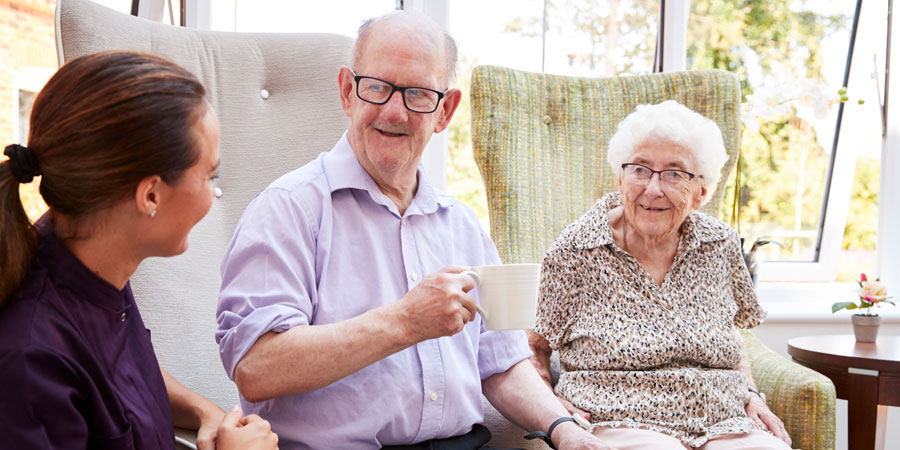
Growing older alongside your partner or spouse can be a beautiful journey. However, as the years pass, daily tasks may become more challenging. For many couples, the decision to seek assistance can be daunting amid the worry of separation. That’s where live-in care can help.
Here we will explore the benefits, considerations and practical steps involved in choosing a live-in care option for couples, providing insights to help individuals make informed decisions about their ageing journey.
Are Live-in Carers Available For Couples?
Yes, live-in carers are available for couples. They offer a tailored solution that allows couples to maintain their independence and companionship while receiving the support they need, together.
Finding the Right Live-in Carer
Our joint care solutions offer a flexible and comprehensive solution for couples who value their independence but require assistance with tasks such as meal preparation, personal care, medication management and household chores. Therefore finding the right live-in carer is crucial.
Enquire today...
Our experienced live-in care managers carefully match carers to individual clients based on their specific needs and personal interests. We provide detailed profiles of all our carers, allowing you to make an initial selection. Once shortlisted, we can arrange Skype or telephone calls so you can get to know your potential live-in carer before making a final decision.
Benefits of Live-in Care for Couples
Enhanced Quality of Life:
- Companionship: live-in carers offer constant companionship, reducing feelings of loneliness and isolation, especially for couples who may have limited social circles.
- Respite: for couples where one partner requires more care than the other, a live-in carer can provide respite, allowing the other to have time for themselves or other responsibilities.
- Independence: by living at home with a carer, couples can maintain their independence and avoid the stress and disruption of moving to a care home. Dual care at home can really help maintain feelings of being in control of living arrangements and home life.
- Peace of mind: knowing that a trusted individual is available around the clock can provide significant peace of mind for both partners.
Tailored Care:
- Individual needs: live-in carers can be tailored to meet the specific needs of each partner, whether it’s assistance with mobility, medication management or companionship.
- Shared interests: carers can be selected based on shared interests or hobbies, fostering a more enjoyable and fulfilling living arrangement.
Cost-Effective:Long-term care:
- Long Term Care:in some cases, live-in care can be a more cost-effective option than long-term care facilities, especially for couples who require a high level of care.
- Flexibility: live-in care can be adjusted to meet changing needs, avoiding unnecessary expenses associated with moving to a different care facility.
Social and Emotional Support:
- Family relationships: live-in carers can help maintain strong family relationships by providing support and assistance, allowing family members to focus on spending quality time together.
- Emotional well-being: having a trusted companion can significantly improve emotional well-being, reducing stress and anxiety for both partners.
Tailored Care for Couples: Addressing Diverse Needs
One of the significant advantages of live-in care for couples is its ability to accommodate a wide range of care needs. Whether one partner requires extensive support or both simply need assistance with daily tasks, a live-in carer can be tailored to meet specific requirements.
For couples with varying care needs:
- Individualised care plans: our care supervisors work closely with couples to develop personalised care plans that address each partner’s unique needs. This ensures that both individuals receive the appropriate level of support, whether it’s assistance with mobility, medication management or companionship.
- Flexible care arrangements: we understand that care needs can change over time. Our flexible arrangements allow us to adjust the level of care provided as circumstances evolve, ensuring that couples always receive the support they require.
For couples where one partner requires care and the other does not:
- Discreet support: live-in carers can provide care in a discreet manner, allowing the partner who does not require care to maintain their independence and privacy.
- Respite care: even if one partner does not need constant care, a live-in carer can provide respite, allowing them to take breaks or pursue personal interests.
By understanding the diverse needs of couples and offering tailored care solutions, we can help individuals maintain their independence, companionship, and quality of life in the comfort of their own home.
Conclusion
Live-in care offers a personalised and supportive solution for couples seeking assistance with daily activities, companionship, and peace of mind. By carefully considering individual needs, shared living arrangements, and financial factors, couples can find a live-in carer who provides the ideal level of care and support.
To learn more about live-in care options and to find a suitable carer, please don’t hesitate to contact us. You can call us on 0203 794 9933 or email us at info@eximiussupport.uk.
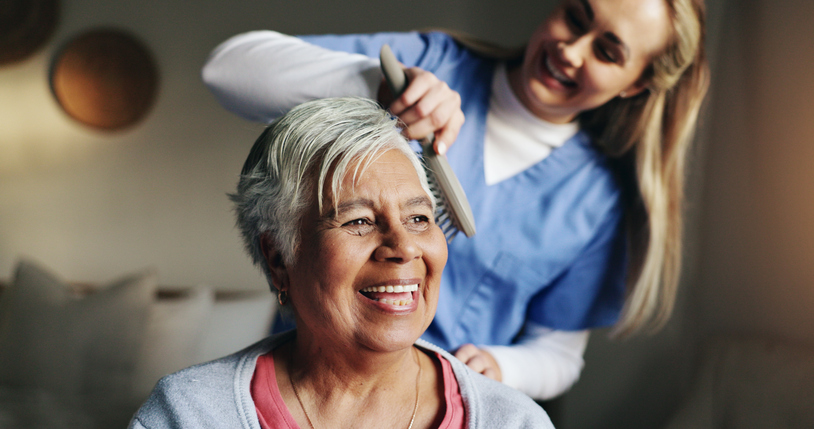
Dementia is a brain condition that affects many people, especially as they get older. In the UK, a large number of families are touched by dementia, seeing their loved ones face challenges with memory, thinking, and everyday tasks. This article aims to help you understand dementia better, spot its early signs, learn about its journey, and find out how to get help in the UK.
What is Dementia?
Dementia is a neurological condition characterised by a decline in cognitive abilities such as memory, reasoning, judgment, and communication to the extent that it interferes with daily functioning and independence. It is caused by damage to brain cells, typically resulting from diseases like Alzheimer’s (the most common in the UK) or vascular issues. Symptoms may include forgetfulness, confusion, disorientation, difficulty with language and problem-solving, and changes in mood and behaviour. Dementia poses significant challenges for individuals affected, their families, and carers.
Spotting the Early Signs
Catching dementia early can make a big difference. Early signs might include forgetting recent events, having trouble planning or solving simple puzzles, getting confused about time or places, and mood swings. You may notice that someone who used to be good at managing their day or remembering birthdays starts having trouble with these things. It’s essential to know these signs so we can help our loved ones find the proper support early on.
The Journey of Dementia
As Dementia progresses, the person will go through different stages. At first, the signs might be mild and not too troubling. But as time goes on, these challenges can grow, making daily tasks harder. This journey is different for everyone, but understanding it helps families prepare and make their loved ones as comfortable as possible.
Finding Support in the UK
The good news is there’s a lot of help available in the UK for people with dementia and their families. The NHS and social care services offer support, from getting a diagnosis to finding the proper care. There are also charities and organisations ready to lend a hand with advice, support groups, and resources. It’s all about finding the right help and ensuring the person with dementia and their family feel supported.
Personalised Care: The Key to Support
Everyone is unique, and so is their experience with dementia. That’s why personalised care, that’s specially designed for one person’s needs, is so important. It helps people with dementia get the right kind of help at the right time, making their days better and more fulfilling.
Eximius Live In Care: A Special Kind of Help
At Eximius Support, we believe being in a familiar place can make a big difference for someone with dementia. Our carers and companions are trained experts in dementia care, ready to support not just the person with dementia but their whole family.
Why In-Home Care Makes Sense
Staying at home is much better for someone with dementia than moving to residential care. It’s important for people living with dementia to be in a place that feels safe and familiar, surrounded by memories and the comfort of home. This can help slow down the challenges of dementia and make life more enjoyable.
Choosing the Right Care
If you’re looking for care for a loved one with dementia, it’s essential to ask the right questions. Find out about the carer’s training, how they plan to personalise care, and how they’ll adapt as needs change. Choosing someone who understands the dementia journey and knows how to offer the proper support can make all the difference.
Dementia is a challenging journey, but understanding it, spotting its early signs, and getting the proper support can make a big difference.
If you think someone you love might be showing signs of dementia, don’t wait. Talk to a doctor about what you’ve noticed. If you’re looking for more support at home, contact us here for an informal chat about how we can help.
Further Reading
Making the Tough Call: When Is It No Longer Safe For Dementia Patients To Stay At Home
Understanding The Diagnostic Process For Dementia
Understanding the Distinction Between Dementia and Alzheimer’s
Understanding the Costs of Dementia Care: Domiciliary vs Live-In Care
Resources

September is Sepsis Awareness Month; a month dedicated to raising awareness of sepsis, its symptoms and the long-term impact it can have on people’s lives.
In the UK, there’s estimated to be around 245,000 cases of sepsis every year, leading to around 48,000 people losing their lives.
Sepsis (also known as blood poisoning) is a life-threatening condition which can strike anyone, at any time. If not treated immediately, sepsis can result in organ failure and death. However, sepsis is avoidable and treatable with early diagnosis.
At Eximius, we are dedicated to raising awareness of sepsis. Our carers are well versed in the symptoms to look out for, as well as in supporting those affected by sepsis and ensuring they receive the care they need to aid their recovery.
What is Sepsis Awareness Month?
Sepsis Awareness Month is dedicated to raising awareness about sepsis and, specifically, the importance of early detection.
Our live-in carers provide crucial support for individuals recovering from sepsis. They offer essential assistance with daily living activities, emotional support and monitoring for any signs of complications, ensuring that patients receive the care they need to continue their recovery and rebuild their lives.
Did you know…
- Five people die with sepsis every hour in the UK
- There’s an estimated 123,000 cases of sepsis per year in the UK
- 25,000 hospital admissions with sepsis each year in the UK occur in children
- 80% of those diagnosed with sepsis are aged 50 years or over
- 40% of all sepsis survivors suffer permanent, life changing after effects
What is sepsis?
Sepsis is an extremely serious condition, occurring when the body’s immune system overreacts to an infection or injury, attacking its own organs and tissues. Without early identification and treatment, sepsis can lead to organ failure, long-term disability or even death.
Although some people are at higher risk of developing sepsis (e.g. those with a weakened immune system, a serious illness or who have recently undergone surgery), anyone can develop sepsis after an injury or minor infection.
How to spot the signs of sepsis
While sepsis can be a life-threatening condition, early identification and treatment can often lead to successful recovery. However, recognising the early signs of sepsis can be challenging.
How do I check myself for sepsis?
When looking out for symptoms of sepsis in adults – think SEPSIS:
- Slurred speech or confusion
- Extreme shivering or muscle pain
- Passing no urine in a day
- Severe breathlessness
- It feels like you are going to die
- Skin mottled or discoloured
When it comes to sepsis, it’s about TIME:
- Temperature – higher/lower than normal
- Infection – May have signs and symptoms of an infection
- Mental decline – Confused, sleepy, difficult to rouse
- Extremely ill – severe pain, discomfort, short of breath
If you spot any of these signs call 999/111 or go straight to A&E and ask: “Could it be sepsis?”
What are the long-term effects of sepsis?
Sepsis is a life-threatening condition that can lead to organ failure, long-term disabilities or even death.
Sepsis survivors can often find themselves faced with a number of new physical and psychological challenges after returning home, making even routine tasks such as getting dressed or climbing the stairs extremely difficult without support.
An often unexpected condition, it can cause life-changing circumstances for families in a matter of days, including the sudden need for full-time care during recovery.
For patients, families and loved ones, this can be incredibly challenging. Adjusting to the realities of the situation, coping with long-term changes and organising urgent care, all whilst maintaining daily life, can be overwhelming.
At Eximius, we are here to help make the journey of recovery a little bit easier for you and your loved ones.
We can provide short and long-term live-in care with as little as 24 hours notice, helping to ensure that sepsis survivors can leave hospital earlier and get back to the comfort of their own home with the support they need to continue their recovery.
Beyond Sepsis Awareness Month
Whilst September is designated as Sepsis Awareness Month, this devastating condition is impacting people every day of the year.
To find out more about Sepsis Awareness Month, visit the Sepsis Trust website
If you or a loved-one would like to understand more about the different live in care options available, please contact us for further information. We’d love to help.

More and more older people opt to remain in their homes rather than move into residential care. This choice, known as “ageing in place,” is gaining popularity among older adults, and rightly so. Being able to stay in your home, surrounded by your possessions and memories, is the best choice for many people, especially when you can still receive the care you need. Here, we look at some practical advice and tips for older adults who plan to age in place.
Home Modifications for Safety and Accessibility
Making your home safer and more accessible as you age is essential. We’re not talking about massive renovations—just some smart adjustments to keep things running smoothly.
Here are some examples to consider
Bathroom Adaptations: Add grab bars, non-slip mats, and a raised toilet seat. These small changes can make a big difference when it comes to bathroom safety.
Kitchen Adjustments: Consider lowering shelves for easy access, installing lever-handled taps, and maybe even a pull-out pantry to avoid any awkward stretching.
Bedroom Enhancements: Take a look at the bedroom layout. Are pathways clear? Is the lighting good? A nightlight might be a good addition. Also, having a comfy chair near the bed can make things much more manageable.
If you’re unsure about what home adjustments are available, an Occupational Therapist (OT) can come and take a look at your home and advise you. Your GP can refer you.
Implementing Safety Measures
Now, let’s focus on implementing safety measures to avoid slips or trips and falls.
Fall Prevention Strategies
Proper Lighting: Brighten up those dark corners and hallways, and always put the lights on when moving around.
Removal of Tripping Hazards: Remove loose rugs, tangled cords, or anything hiding in plain sight. Clear pathways make for smooth sailing.
Installation of Handrails and Grab Bars: Especially in the bathroom and on stairs, ready to grab onto when you need extra support.
Lifestyle Adjustments for Independence
To continue living your best life and remain independent as long as possible, you must also care for your physical and mental health. Here are some lifestyle adjustments that can keep you thriving.
Health and Wellness Routines
Regular Exercise: There is no need for extreme workouts, but some gentle exercises can do wonders. Think about daily walks, chair exercises, or even yoga.
Balanced Nutrition: Ensure you get a mix of fruits, veggies, lean proteins, and whole grains. You can learn more about eating a balanced diet here.
Medication Management: Keeping track of medications is crucial. Consider a pill organiser or setting reminders on your phone to ensure you never miss any.
Social Engagement and Community Involvement
Socialising is good for the soul. Staying connected keeps you emotionally charged. Whether it’s a phone call, video chat, or a friendly visit. Another great way to stay connected is to check out what’s happening in your local community. Community centres, clubs, or classes can be great ways to meet new people and try new things.
Mental and Emotional Well-Being
Take a moment each day to relax and clear your mind, whether through meditation, deep breathing, or simply enjoying a quiet cup of tea. It’s okay to seek emotional support when needed and to ask for help or talk about your feelings. Whether with friends, family, or a professional, reaching out is always the best thing to do.
When extra care is needed
Live-in care can be a cost-effective alternative to residential care. At Eximius, we provide dedicated, professional, caring companions who can move in and look after you. We take care of all your personal, medical and domestic needs and provide companionship so you never feel lonely. Our care packages are personalised to meet your needs and range from basic care and companionship to complex care. Please contact us if you’d like to chat about how we can help.
Further reading:
Domiciliary, Residential, or Live-in Care – how to understand which is the right choice for you
Support For You To Support Your Loved One At Home
5 easy Tips to Stay Physically and Mentally Active in Later Life

Going through tough times when someone you care about is hurting can be challenging. It helps to understand how to be a strong support for someone dealing with grief. Grief is a mix of emotions that comes when you lose someone or something important. Here, you’ll find practical tips on how you can be there for your friend or family member with kindness, compassion, and understanding.
Understanding Grief
Grief is a deep feeling of sadness and confusion that happens when you lose someone or something special. It’s important to know that grief is different for everyone. People might feel sad, angry, or even okay at different times. This is normal. It’s a rollercoaster of emotions, and everyone rides it in their own way.
To help your loved one, it’s good to know that grief doesn’t follow a schedule. It doesn’t have rules, and everyone goes through it at their own pace. Understanding the mix of emotions is the first step in offering support.
The Power of Being Present
One of the best ways to help is just being there. Being present means you listen without judging and let them share their feelings. A hug, a touch, or just sitting together in silence can speak louder than words. Your physical presence is a strong support during their tough time.
Empathy
Empathy means understanding and sharing the feelings your loved one is experiencing. Instead of saying you know exactly how they feel, you can say, “I can’t imagine what you’re going through, but I’m here for you.” This shows that you get that their pain is unique, and you want to support them without pushing.
Respect How They Cope
Everyone copes with grief differently, and it’s crucial to respect how your loved one handles it. Some may want to talk, while others might need some quiet time. Offering support without telling them how to grieve shows that you respect their feelings. Flexibility is key – be ready for different ways they might cope.
Offering Practical Help
Grieving takes a lot of energy, both emotionally and physically. Simple things like helping with groceries, chores, or cooking meals can make a big difference. Taking care of everyday tasks allows your loved one to focus on their feelings. You could form a support team with others to share responsibilities and ensure your loved one feels surrounded by love and care.
Encouraging Healthy Ways to Cope
Grief can be overwhelming, and people might try different ways to cope. Encourage healthy ways, like exercising or writing down their thoughts. Discourage harmful coping mechanisms, like drinking too much or isolating themselves. Share information about support groups or books that talk about positive coping strategies. Your encouragement can guide them towards healing.
Recognising Triggers and Important Dates
Certain things or specific dates can trigger strong emotions during grief. Birthdays, holidays, or anniversaries may be especially tough. Recognise these moments and offer extra support. Being aware of these times helps you be ready to lend a listening ear or help out when your loved one needs it most.
Learning About Grief
Understanding grief better can help you be a more supportive friend. Read books or articles, attend workshops, or talk to grief professionals. Knowledge of the different stages of grief – like shock, anger, and acceptance – helps you be more understanding and patient.
Open Communication about Grief
Encourage open talks about grief. Share your own experiences if you feel comfortable. Honest conversations create a bond based on shared feelings, and it helps your loved one know they’re not alone. Be real in your communication, avoiding phrases that might sound too positive or dismissive. Let them know you’re here for the long haul.
Suggesting Professional Help
Sometimes, talking to friends and family might not be enough, and professional help becomes important. Suggesting therapy or counselling shows that you care about their well-being. If they’re unsure, offer to help find a therapist or support group. Remind them that seeking professional help is a strong step towards healing.
Understanding Complicated Grief
Complicated grief happens when someone’s emotions are really intense and don’t get better over time. If you notice signs like constant sadness or difficulty moving forward, gently suggest seeking professional help. Complicated grief might need special attention to help them work through their challenging emotions.
Providing Long-Term Support
Grief doesn’t have an expiry date, and your support is needed for the long run. Keep being there, offering help, and having those open conversations. As time passes, new challenges might come up, and that’s okay. Your continued support lets your loved one know they’re not alone in this journey.
It’s okay not to have all the answers, but your compassion and support mean a lot. By being present, showing empathy, and respecting their unique journey, you can make a positive impact during this challenging time.
Extra Care
If your loved one would benefit from extra help at home, Eximius Support provides full live-in care solutions tailored to every client’s unique requirements. We have many safe, skilled and nurturing hands at the ready – there’s truly no limit to the services we can provide:
- Support with all care requirements
- Help with personal care and getting you prepared for the day and night ahead
- Manage and monitor medication
- Clean and ensure upkeep of household requirements
- Manage shopping and cooking and even arrange dinner parties for you and your friends
- Organise appointments and accompany you to them
- Arrange and company events and appointments, whether theatre trips, sports or a day outing
- Help with holiday plans and go with you if needed
We are always available for a confidential, informal chat. Get in touch here.
Further Reading
How live-in care differs from domiciliary care
Domiciliary, Residential, or Live-in Care – how to understand which is the right choice for you

Prostate cancer is an important topic, and Urology Awareness Month is the perfect time to discuss it. As a prevalent condition affecting men, If you’re caring for someone with prostate cancer, it’s crucial to thoroughly understand its symptoms, treatment options, and how you can provide the best support possible to your loved ones during this challenging journey.
Here, we’ll explore the key aspects of prostate cancer, its implications for carers, and how you can provide comfort and care for a loved one dealing with this condition.
Understanding Prostate Cancer
To start, let’s define what prostate cancer is. The prostate is a small gland beneath the bladder and surrounding the urethra. It plays a pivotal role in the male reproductive system by producing seminal fluid, which nourishes and transports sperm. However, the prostate can become susceptible to cancerous growth as men age.
Prostate cancer occurs when abnormal cells within the prostate gland begin to grow and multiply uncontrollably. It is the most common cancer among men, and its prevalence increases with age. While the exact causes of prostate cancer remain unclear, certain risk factors have been identified, including age, family history, and ethnicity.
Signs and Symptoms
Recognising the signs and symptoms of prostate cancer is crucial for early detection and better treatment outcomes.
Urinary Changes: Keep an eye out for changes in urinary habits, such as increased urination frequency, especially at night. A weak urine stream, difficulty initiating urination, or a sense of incomplete bladder emptying might also indicate prostate issues.
Pain and Discomfort: Individuals with prostate cancer might experience pain in the lower back, hips, thighs, or pelvis. Discomfort while sitting or lying down and pain during ejaculation can also be potential signs.
Sexual Dysfunction: Prostate cancer and its treatments can impact sexual function. Men might experience erectile dysfunction, reduced libido, or difficulty achieving or maintaining an erection.
Diagnosis
Early detection is key. Regular checks are crucial in identifying prostate cancer at its initial stages. The prostate-specific antigen (PSA) test measures the levels of PSA in the blood, which can help detect abnormalities. The digital rectal exam (DRE) involves a physical examination of the prostate by a healthcare professional to check for any irregularities.
Treatment Options
Each treatment approach comes with its considerations and potential side effects. As a caregiver, your role in providing emotional support and assistance during this phase is invaluable.
Surgery: Surgical removal of the prostate, known as a prostatectomy, is a standard treatment for localised prostate cancer. Support your loved one by helping them prepare for surgery, assisting with post-operative care, and providing emotional reassurance.
Radiation Therapy: This treatment involves using targeted radiation to kill cancer cells. Help your loved one manage appointments, transportation, and any discomfort they may experience during or after sessions.
Hormone Therapy: This approach aims to reduce the levels of male hormones that fuel the growth of prostate cancer. Be prepared to provide emotional support, as individuals might experience mood swings, hot flashes, and fatigue.
Chemotherapy and Immunotherapy: In advanced cases, chemotherapy and immunotherapy may be used. These treatments often have side effects such as nausea, fatigue, and weakened immune systems. Your role in assisting with medications and offering comfort is crucial during this time.
Supporting Individuals with Prostate Cancer
Emotional support: This is one of the most important aspects for men dealing with prostate cancer. A prostate cancer diagnosis can bring about a range of emotions, including fear, anxiety, and sadness. Be an empathetic listener and offer a non-judgmental space for them to express their feelings.
Daily Activities: Assist with everyday tasks that might become challenging due to treatment or side effects. Help with meal preparation, housekeeping, and personal care to ensure their comfort.
Maintaining a Healthy Lifestyle: Encourage your loved one to maintain a balanced diet and engage in light exercise, as recommended by their healthcare provider. Your support in meal planning and being an exercise buddy can make a positive impact.
Psychosocial Support and Communication
Beyond the medical aspects, providing psychosocial support and maintaining open communication are vital components of caregiving for individuals with prostate cancer.
Psychosocial Support: Prostate cancer’s emotional and psychological toll can be significant. Encourage your loved one to connect with support groups, counselling services, or online communities where they can share experiences and receive guidance from others going through similar journeys.
Mental Health Conversations: Initiate conversations about mental health compassionately and non-intrusively. Let your loved one know it’s okay to express their feelings and seek professional help.
Effective Communication with Healthcare Professionals: Being a strong advocate for your loved one involves effective communication with their medical team. Accompany them to appointments, take notes, and ask questions about treatment plans, potential side effects, and any concerns they might have.
Urology Awareness Month
Urology Awareness Month serves as a reminder of the importance of urological health and well-being. Urological conditions, such as prostate cancer, can profoundly impact a person’s quality of life and overall health. We hope to educate individuals, carers, and relatives about these conditions, their symptoms, treatment options, and the resources available to support those affected. By increasing awareness and understanding, we can provide even better care to our loved ones, promoting their well-being and quality of life.
Being a home carer or relative of someone dealing with prostate cancer involves a combination of compassion, knowledge, and support. You can provide the best care possible by understanding the signs, symptoms, and treatment options. Offering emotional support, assisting with daily activities, and advocating for effective communication with healthcare professionals are all essential components of caregiving.
Remember, you are not alone on this journey. Eximius provides various levels of home support. Contact us to learn more about our services and how we can help.
You may also be interested in the following:
Promoting Healthy Ageing In Men
Common Sleep Disorders in Older Age
Top Tips For Older Adults To Get A Better Nights Sleep
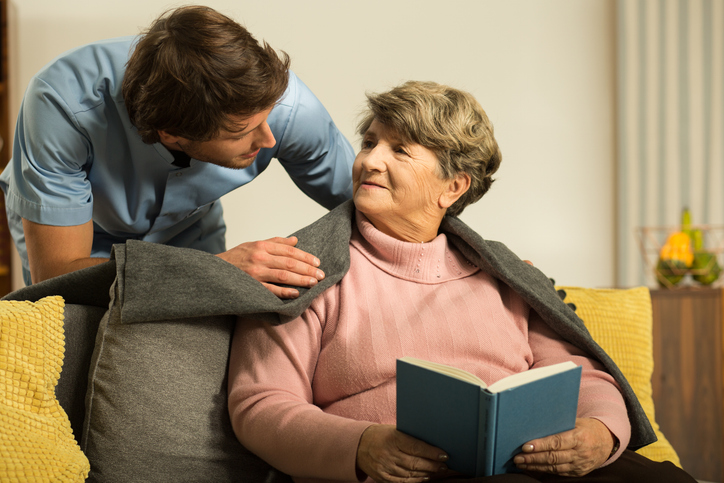
When we talk about privacy and autonomy in care, it’s essential to recognise and address the delicate equilibrium between respecting the privacy and autonomy of care recipients while providing the necessary support. Striking this balance is fundamental to a respectful and empowering environment that enhances the well-being of those under care. In this article, we discuss the significance of privacy and autonomy and offer practical tips for carers to navigate these aspects of caregiving.
The Importance of Privacy and Autonomy in Live-in Care
Privacy extends beyond physical boundaries; it encompasses the emotional and psychological space individuals need to maintain their dignity. Autonomy, on the other hand, refers to the right to make decisions about one’s own life. When these aspects are respected, clients experience a sense of control and independence, contributing significantly to their quality of life.
Understanding the unique needs of our clients is the cornerstone of achieving this delicate balance. Each individual comes with their own set of preferences, boundaries, and comfort levels. Recognising and respecting these differences is crucial for providing personalised and dignified care.
Respecting Privacy in the Physical Environment
Creating a private and comfortable living space for clients is a foundational step in upholding their privacy. This involves ensuring their personal space is respected, allowing them to maintain a sense of ownership over their living space. Carers can achieve this by being mindful of the arrangement of personal belongings, maintaining cleanliness, and providing a space that aligns with the care recipient’s preferences.
Balancing supervision and allowing independence is another aspect to consider. While it’s essential to ensure clients’ safety, finding ways to grant autonomy in daily activities maintains a sense of self-worth. Practical tips include establishing clear boundaries, seeking consent before entering private spaces, and involving clients in decisions related to their living environment.
Communication as a Key Element
Effective communication is pivotal in striking the right balance between privacy, autonomy, and support. Carers should establish open and honest lines of communication with clients, encouraging them to express their preferences and concerns. Clearly outlining privacy and autonomy expectations helps build trust and understanding.
Empowering Care Recipients
Empowering clients involves strategies that allow them to actively participate in decision-making processes. Carers can discuss daily routines, meal preferences, and activities that align with the client’s interests. Encouraging independence whenever possible, such as in personal grooming or choosing daily activities, reinforces a sense of control.
Challenges and Solutions
Navigating the balance between privacy, autonomy, and necessary support can present challenges. Typical issues may include conflicting preferences, resistance to care, or difficulties in maintaining a safe environment. Carers can overcome these challenges by encouraging open communication, seeking input from the client, and being flexible in adapting care routines to align with individual needs.
Balancing Safety and Independence
Striking a balance between safety and independence requires thoughtful consideration. Carers can implement strategies such as installing assistive devices, ensuring well-lit pathways, and using technology to monitor safety while still preserving the independence of their clients.
Achieving the right balance between privacy, autonomy, and necessary support in live-in care is a dynamic process. Carers play an essential role in creating a respectful and empowering environment by recognising individual needs, ensuring open communication, and tailoring care plans accordingly to ensure the well-being and dignity of those they serve.
Our specialty here at Eximius is providing caring, experienced, professional, and friendly live-in companions. If you’d like to chat about how we can help, we’d love you to get in touch.
You may also be interested in:
Support For You To Support Your Loved One At Home
Your Most Common Live-in Care Questions Answered
What makes OUTSTANDING live-in care?

As our loved ones age, the importance of looking after their well-being becomes increasingly significant. Stress is an important factor that impacts their health and is often overlooked. In this article, we explore the impact of stress on older adults’ physical and mental well-being and explore practical management techniques.
Understanding the Impact of Stress on Older Adults
The Physical Toll of Stress
Stress, when not managed properly, can take a toll on the physical health of older adults. It extends beyond the familiar image of mental stress, impacting the cardiovascular system and weakening the immune system. Chronic stress can exacerbate existing health conditions, making it crucial for carers and loved ones to recognise and address the physical manifestations promptly. It’s vital to notice signs like changes in appetite, sleep disturbances, and changes in blood pressure, which might indicate stress’s physical toll.
The Mental Strain of Stress
Stress also takes a mental strain on older adults. Cognitive functions may be affected, leading to an increased risk of conditions such as depression and anxiety. Understanding this connection is vital for carers who are pivotal in promoting mental well-being among older people. Changes in mood, withdrawal from activities, and memory issues could signal the mental impact of stress and require attention.
Identifying Common Stressors for Older Adults
Health Concerns
Health concerns are a significant contributor to stress among older people. Chronic conditions and managing health challenges can become overwhelming, underscoring the importance of tailored care and support. Ensuring that medical check-ups are regular and that medication is managed effectively can alleviate some of this stress. Furthermore, open communication with healthcare providers is crucial for addressing health-related stressors adequately.
Loneliness
The pervasive issue of loneliness among older adults amplifies stress levels. Social isolation can lead to a decline in mental health, emphasising the need for meaningful social connections and companionship. Encouraging participation in community events, family gatherings, or introducing technology for virtual connections can significantly reduce feelings of isolation.
Life Transitions
Life transitions such as retirement or losing a loved one bring unique stressors. Recognising and addressing the stress associated with significant life changes is essential to comprehensive elderly care. Open discussions about these transitions, providing emotional support, and helping people find new purposes or activities, can help manage stress during these times.
Effective Stress Management Techniques for Older Adults
Mindfulness for Seniors
Introducing mindfulness practices can significantly contribute to stress reduction. Simple exercises, such as guided meditation or mindful breathing, can be adapted to suit the needs and preferences of each person. Encouraging regular mindfulness practice can alleviate stress and enhance overall mental clarity and focus.
Gentle Exercises for Stress Relief
Even in its gentlest forms, physical activity can be a powerful tool for stress relief. Incorporating activities like yoga or tai chi into the daily routine not only promotes physical well-being but also contributes to mental relaxation. These exercises can be adapted to individual abilities, ensuring accessibility for all seniors.
Engaging Hobbies as Stress Busters
Encouraging older adults to pursue hobbies is a therapeutic approach to stress management. Engaging in activities they enjoy, such as painting, gardening, or reading, provides a positive outlet for stress and enhances their overall quality of life. Carers can actively facilitate and participate in these activities, making them more enjoyable and meaningful.
Practical Tips for Carers
For carers, stress management techniques are important for providing comprehensive care. Integrating these techniques into the daily routine of those they care for requires a thoughtful and individualised approach. Carers should actively support and facilitate activities that promote stress reduction, creating a holistic environment of well-being. Communication is key, and carers should maintain an open dialogue to understand the specific stressors that their clients may be facing.
By understanding the physical and mental toll of stress and implementing effective stress management techniques, carers can play an essential role in enhancing the quality of life for older adults. As we prioritise the well-being of our ageing loved ones, we take a holistic approach that addresses their physical health and nurtures their mental and emotional resilience in the golden years.
If you or a loved one could benefit from extra help and support at home, don’t hesitate to contact Eximius. Our team is here to provide the support you need. Contact us today to learn more about how we can assist you.
Further Reading:
Loneliness In The Elderly And How To Prevent It
Nurturing Mental Well-being for People with Chronic Illness
Chronic Disease Diagnosis: The New Next Steps In Your Life
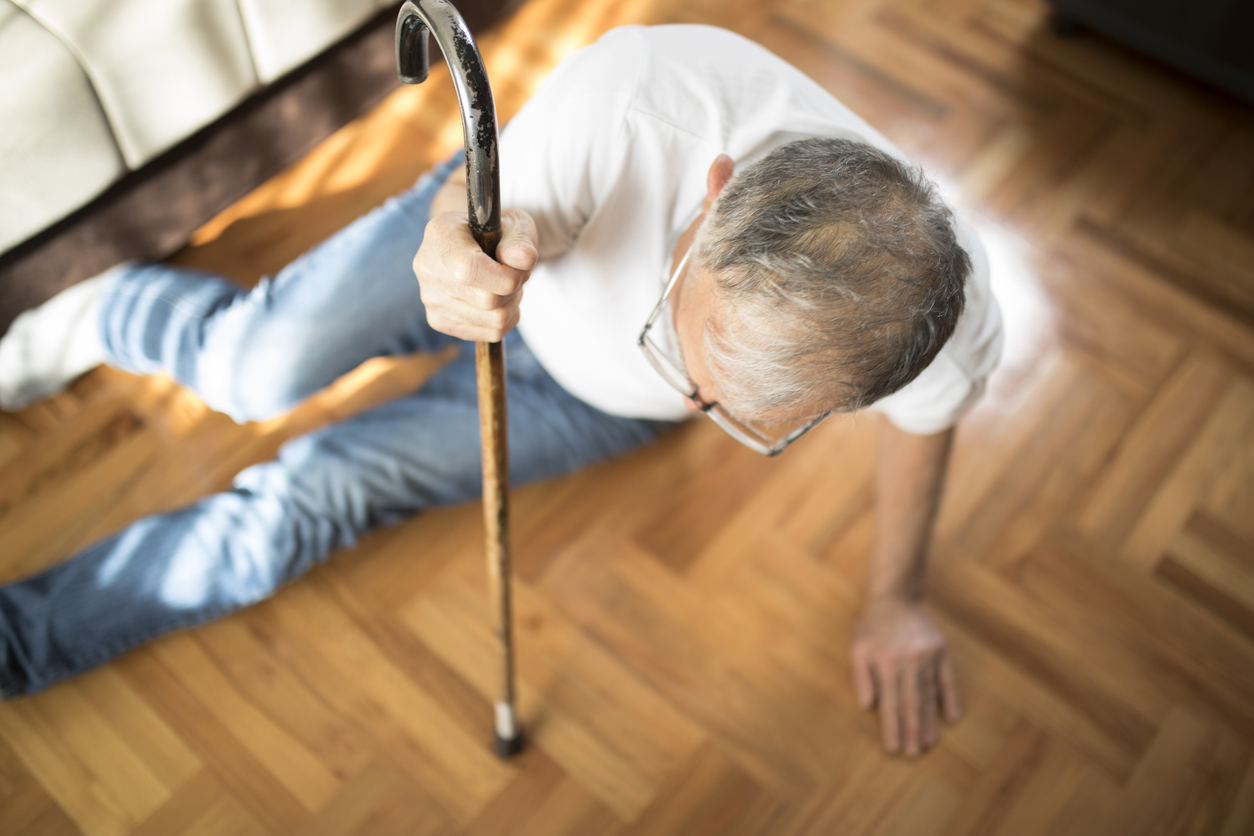
As we age, the risk of falls and their potential impact on health becomes a significant concern. According to statistics, falls are a leading cause of injury and even death among older adults. This article will explore proactive measures to prevent falls in older adults.
Falls risk is often identified after family visits.
Understanding the Risk Factors
Age-Related Changes
Muscle Weakness and Loss of Balance: Ageing often leads to declining muscle strength and balance, increasing the risk of falls.
Decline in Vision and Hearing: Impaired vision and hearing can affect spatial awareness, making older adults more susceptible to falls.
Medication Side Effects: Certain medications may have side effects contributing to dizziness or instability.
Chronic Conditions
Arthritis: Joint pain and stiffness associated with arthritis can impact mobility.
Osteoporosis: Weakening of bones increases the likelihood of fractures from falls.
Neurological Disorders: Conditions like Parkinson’s disease or stroke can affect coordination and balance.
Assessing Individual Risk
It’s crucial to conduct personalised risk assessments during regular health check-ups. Identifying and addressing modifiable risk factors can significantly reduce the likelihood of falls.
Creating a Safe Home Environment
Home Modifications
Proper Lighting: Ensure well-lit pathways, especially in high-traffic areas.
Removal of Tripping Hazards: Clear pathways of rugs, loose cables, or clutter.
Installation of Handrails and Grab Bars: Particularly in bathrooms and stairways, for added support.
Adequate Support
Bedroom: Place necessary items within easy reach.
Bathroom: Use non-slip mats and install grab bars near toilets and showers.
Stairways: Secure handrails on both sides and consider installing a stairlift if needed.
Exercise and Physical Activity
Regular exercise tailored to individual needs is crucial for maintaining strength and balance. Include flexibility and aerobic exercises to enhance overall physical fitness. You can find specific exercises designed to improve stability and prevent falls here.
Vision and Hearing Care
Regular eye and ear check-ups are essential. Addressing age-related sensory decline with the use of appropriate aids, such as glasses or hearing aids, can significantly reduce fall risk.
Medication Management
Reviewing medications with healthcare professionals and being aware of potential side effects is critical. The side effects of certain medications, or taking more than four medicines at a time, can make you more at risk of falling, although it is not clearly understood why this is.
Nutrition and Bone Health
Maintaining a healthy diet is not only essential for your general well-being but can also play a crucial role in fall prevention. Consistently consuming well-balanced and nourishing meals, along with staying adequately hydrated with non-alcoholic beverages, can mitigate factors contributing to falls, such as dizziness, dehydration, fatigue and depression.
Assistive Devices and Technology
Utilising walking aids when necessary and exploring technological solutions like fall detection devices can enhance monitoring and assistance. These can be anything from plastic tools to advanced, technology-driven solutions.
Educating Caregivers and Family Members
Educating caregivers and family members on fall prevention involves providing comprehensive training on practical skills such as creating a safe home environment and recognising risk factors. Beyond this, it emphasises the importance of emotional and physical support for older adults.
Older adults can maintain their independence and well-being by understanding risk factors, creating a safe home environment, engaging in regular exercise, and maintaining a healthy lifestyle.
Eximius Support provides dedicated and compassionate live-in care. If you want to learn more for yourself or a loved one, please get in touch.
Further Reading:
Preventing Falls In The Elderly
Top Tips For Older Adults To Get A Better Nights Sleep
Chronic Disease Diagnosis: The New Next Steps In Your Life
Throughout July, we celebrate Good Care Month, a time dedicated to recognising the invaluable contributions of social care professionals across the country. It is also an opportunity to raise awareness of the sector and inspire people to think of it as a viable career choice.
The UK has an ageing population and so social care plays a vital role in our healthcare system. With life expectancy significantly increasing in recent decades, it is now estimated that by 2036, one in four people in the country will be over 65. During such a time, social care becomes more important than ever.
It is not just the elderly who require the support of social care, but also people who have suffered from life-altering injuries or medical conditions.
Social care can truly change lives by enabling people to live their lives with dignity and independence. Everyone is entitled to live a fulfilling life and social care enables them to do just that.
A rewarding career
A social care worker provides practical, physical, mental and emotional support to people who need it the most. They work with individuals, families and communities to assist them in improving their well-being so they can live a better quality of life. They may be employed in nursing homes, community centres or a home environment.
Live-in care is an important part of social care. It offers a unique opportunity to build deep, personal connections with clients, becoming an integral part of their lives. At Eximius, we have a network of care professionals, or companions, who provide personalised, comprehensive and compassionate care to you or your loved ones.
What do you get out of your job as a live-in carer?
- Personal satisfaction – knowing you’re making a tangible difference in someone’s life is incredibly fulfilling
- Flexibility – live-in care often offers flexible working arrangements, allowing you to balance your professional and personal life
- Continuous learning – the care sector is constantly evolving, providing opportunities for growth and development
- Strong sense of community – you become part of a supportive network of carers who share your passion for helping others
Why Eximius loves working in the social care sector
Our team has over 80 years’ combined experience and knowledge of the care industry. They are highly educated and skilled professionals who share a passion for caring and supporting people to lead a healthy and happy life.

Candice, our Field Care Supervisor, said:
“I chose to work for a live-in care company because I like the fact that the clients have the continuity of having the same live-in companion and get to build a rapport with them.”

Hollie, our Training Manager, said:
“For me, live-in care offers essential support and companionship to those in need. Moreover, it enables carers to directly enhance the well-being and quality of life of their clients by assisting with daily tasks, offering emotional support, and encouraging independence.”
Beyond Good Care Month
While July is designated as Good Care Month, the impact of carers extends far beyond this month. Their dedication and hard work are appreciated every day of the year. They are the backbone of our communities, whose contributions deserve recognition and celebration.
So, let’s take this opportunity to thank all live-in carers for their exceptional work. You are making a real difference in people’s lives, thank you!
If you’re looking to build your career in social care, get in touch with us at info@eximiussupport.uk or 0203 794 9933
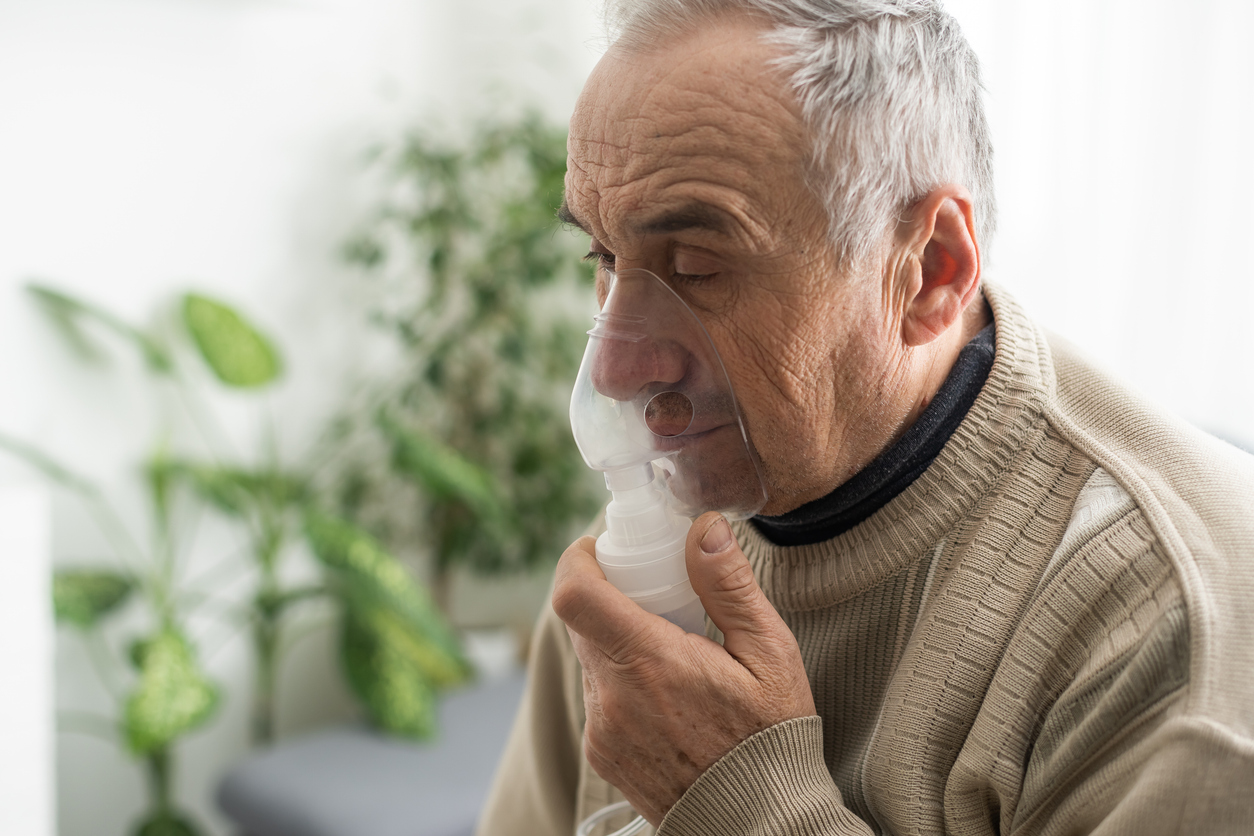
Chronic Obstructive Pulmonary Disease (COPD) can present unique challenges, especially for older adults. Understanding this condition and adopting strategies to manage it are crucial for maintaining a high quality of life. In this article, we’ll explore COPD, its impact on older adults, and practical tips for living well with this respiratory condition.
Understanding COPD
COPD is a progressive lung disease that includes chronic bronchitis and emphysema, often caused by long-term exposure to irritants such as cigarette smoke or environmental pollutants. As we age, the risk of developing COPD increases, making it essential for older adults to be informed about the condition.
COPD Symptoms in Older Adults
Recognising the symptoms of COPD is the first step in effective management. Common signs include persistent cough, shortness of breath (especially during physical activities), wheezing, and chest tightness. Older adults may experience these symptoms differently, so it’s crucial to consult with a healthcare professional for accurate diagnosis and tailored advice.
Lifestyle Adjustments for COPD Management
Quitting Smoking
For those who smoke, quitting is the single most effective way to slow down the progression of COPD. There is lots of support available to quit smoking from healthcare professionals or smoking cessation programs.
Medication Adherence
Follow your prescribed medication plan diligently. Bronchodilators, corticosteroids, and other medications can help manage symptoms and improve lung function.
Exercise and Pulmonary Rehabilitation
Engage in regular, tailored exercise programs to improve lung function and overall fitness. Pulmonary rehabilitation programs can provide valuable support and guidance.
Nutrition
Maintain a healthy, balanced diet to support overall well-being. Adequate nutrition is crucial for managing COPD and preventing complications.
Avoiding Respiratory Irritants
Minimise exposure to environmental pollutants, secondhand smoke, and other respiratory irritants. Ensure your living space is well-ventilated.
Practical Tips for Daily Living
Pacing Activities
Break down tasks into manageable segments, allowing for rest periods. Listen to your body and avoid overexertion.
Utilising Assistive Devices
Consider using assistive devices such as oxygen therapy, inhalers, and mobility aids as prescribed by your doctor or health care team.
Monitoring Symptoms
Keep track of your symptoms and any changes in your condition. Report these to your healthcare team promptly.
Staying Connected
Maintain social connections to prevent isolation. Share your experiences with friends and family, and consider joining support groups for individuals with COPD. Interacting with others that have the same condition and know your struggles can help you feel less alone.
The Role of Healthcare Professionals
Regular check-ups with healthcare professionals are essential for managing COPD effectively. These visits allow for adjusting treatment plans, monitoring symptoms, and early intervention if complications arise.
Living well with COPD as an older adult requires a multifaceted approach. By understanding the condition, making necessary lifestyle adjustments, and staying connected with healthcare professionals, individuals can lead fulfilling lives despite the challenges posed by COPD. Remember, you are not alone—seek support, stay informed, and prioritise your well-being.
How Eximius can help
If you or a loved-one would like to understand more about how we support clients with COPD, or any of the different care options we can provide, please contact us for further information. We’d love to help.
You may also be interested in the following:
Chronic obstructive pulmonary disease (COPD): Overview (NHS)
Chronic Disease Diagnosis: The New Next Steps In Your Life
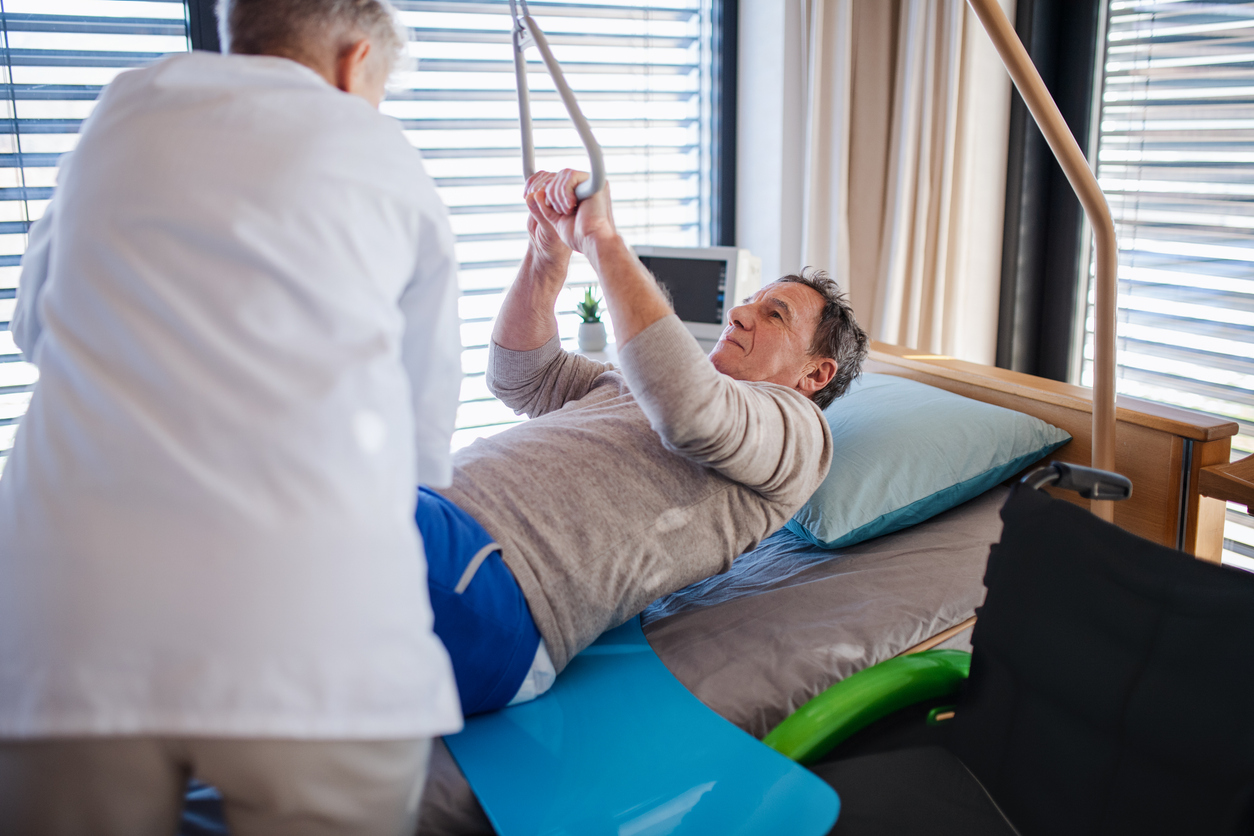
Living with a spinal cord injury (SCI) goes beyond the physical challenges. The emotional side of this journey can be tough, and it’s important to address both the body and the mind. In this article, we’ll discuss how spinal injuries can affect emotions and share helpful tips for nurturing mental well-being.
Understanding the Emotional Impact of Spinal Cord Injuries
The Emotional Rollercoaster
Navigating the emotional rollercoaster begins with acknowledging and accepting the feelings that arise. The shock of the injury can give way to a mix of grief for the life that was, anger at the circumstances, and frustration about the challenges ahead. Each emotion is a valid part of the journey, and recognising it is crucial to healing.
Impact on Mental Health
Understanding the impact of spinal injuries on mental health is essential. The emotional toll can contribute to an increased risk of conditions such as depression, anxiety, and post-traumatic stress disorder (PTSD). Understanding this connection allows individuals to take a proactive approach to both their physical and mental well-being.
Coping Strategies for Spinal Injury Patients
Building a Support System
Building a robust support system involves open communication. Expressing emotions, fears, and hopes with loved ones encourages understanding and strengthens the bond between the individual with a spinal injury and their support network. This shared understanding becomes a foundation for emotional well-being.
Professional Counselling
Professional counselling provides a safe space to explore and navigate the emotional complexities of a spinal injury. Mental health professionals with expertise in spinal injury rehabilitation offer tailored strategies for coping and adapting. This therapeutic journey becomes a valuable component of holistic recovery.
Educational Resources
Empowering individuals with information about their spinal injury is a proactive step towards mental well-being. Understanding the medical aspects of the injury and staying informed about advancements in treatments enables individuals to make informed decisions about their care, giving them a sense of control and confidence.
Mind-Body Connection in Rehabilitation
Incorporating Mindfulness and Meditation:
Incorporating mindfulness and meditation into daily life becomes a powerful tool for managing stress. These practices offer moments of calm, promoting mental clarity and emotional well-being. Simple techniques, adjusted for those with limited mobility, ensure that anyone can integrate these practices into their routine.
Adaptive Physical Activities
Recognising the link between physical activity and mental health is crucial. Tailored exercise plans, adapted to individual abilities and needs, not only promote physical well-being but also contribute significantly to emotional resilience. Engaging in adaptive sports enhances not only the body but also the spirit.
Holistic Approaches to Wellness
Holistic approaches to wellness consider the person as a whole. Therapies like yoga, acupuncture, and massage address physical and emotional well-being. Integrating these complementary therapies into the overall rehabilitation plan contributes to a more comprehensive approach to health.
Overcoming Social Isolation
Technology as a Connection Tool
Technology plays a pivotal role in overcoming the challenges of social isolation. Virtual support groups and online communities provide spaces for shared experiences and mutual support. Staying connected with friends and peers, even in the virtual realm, becomes a lifeline, combating feelings of loneliness and creating a sense of belonging.
Community Engagement
Active community engagement becomes a powerful antidote to isolation. Exploring volunteering opportunities within the local community connects individuals with others and instils a renewed sense of purpose. Community contributions provide a sense of belonging and a positive outlook towards the future.
Empowering Spinal Injury Patients to Advocate for Mental Health
Breaking the Stigma
There’s often a stigma around talking about mental health with spinal injuries. Breaking down these barriers encourages individuals to share their experiences and seek the support they need. Hearing stories of resilience and triumph helps normalise discussions about mental health.
Self-Advocacy and Empowerment
Empowering individuals to actively participate in their mental health journey is empowering. Encouraging self-advocacy means individuals can speak up about their needs and concerns. Advocating for mental health support within healthcare plans is a crucial step towards creating a healthcare system that addresses both the physical and mental aspects of recovery.
How Eximius Can Help
At Eximius, we understand that support goes beyond just physical care – it’s about providing a helping hand for every aspect of your well-being. Our commitment to live-in complex care is rooted in compassion and professionalism, recognising the unique challenges you may face. We provide a supportive environment and tailor our care to address emotional and rehabilitation needs and promote overall wellness. Our dedicated companions aim to empower you on your recovery journey.
If you or a loved one is on a spinal injury recovery journey, don’t hesitate to reach out to Eximius. Our team is here to provide the support you need. Contact us today to learn more about how we can assist you.
You may also be interested in the following:
Food, Weight and Health for People with Spinal Cord Injury
Spinal Cord Injury And Mental Health
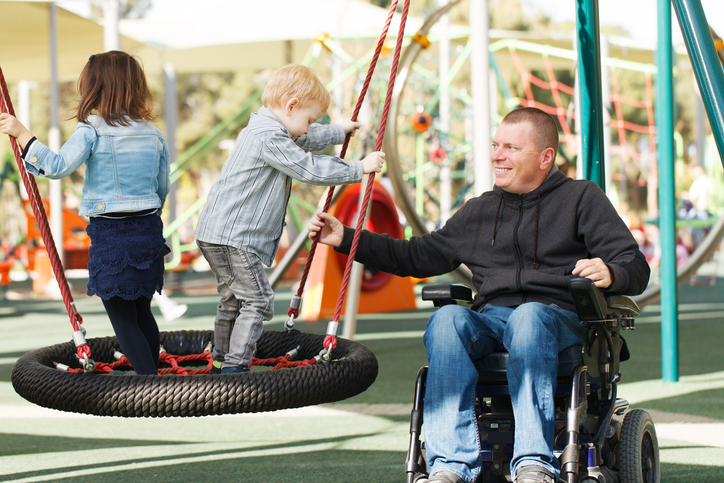
Living with a spinal injury presents numerous challenges, both physical and emotional. These challenges can be overwhelming, but there is hope. The power of social and recreational activities should not be underestimated in the lives of spinal injured people. These activities not only contribute to physical well-being but also play a significant role in emotional and mental health. Among the support systems aiding in this journey are Eximius carers, who specialise in providing individualised care and assistance to those with spinal injuries.
Adaptive Sports for People with Spinal Injury
Adaptive sports have emerged as a remarkable avenue for people with spinal injury to regain a sense of physical and emotional normalcy. These sports are specially designed to accommodate individuals with mobility limitations, ensuring they can enjoy the thrill of competition and camaraderie. Wheelchair basketball, hand cycling, and wheelchair rugby are just a few examples of adaptive sports that have gained popularity. The benefits of adaptive sports extend beyond physical activity; they can bring about a sense of belonging, improve self-esteem, and enhance overall well-being. There are many success stories showcasing the remarkable achievements of people with spinal injuries who have found new purpose and joy through these sports.
Hobbies and Creative Pursuits
Engaging in hobbies and creative pursuits is another avenue for people with spinal injury to explore their passions and find solace. Activities like painting and art therapy, music therapy, and writing or journaling provide a creative outlet for self-expression. These hobbies not only offer an emotional release but also help individuals tap into their inner talents. For instance, art therapy can be a medium to express thoughts and emotions that are often challenging to articulate verbally. Creative hobbies are therapeutic and empowering, providing a renewed sense of purpose and accomplishment.
Social Activities and Support Groups
Social activities and support groups are essential in promoting mental well-being and offering a sense of community to those with a spinal injury. Group outings and events, both in-person and online, provide opportunities for social interaction, reducing feelings of isolation. Online communities and forums enable individuals to connect with peers, share experiences, and seek advice. Many rehabilitation centres offer social programmes, which include various group activities tailored to the interests of their attendees. Testimonials from spinal injured people are testament to the transformative power of such social interaction and support groups in their lives.
Eximius Carers’ Role in Facilitating Activities
Eximius carers and companions play a crucial role in supporting and facilitating the engagement of spinal injured people in social and recreational activities. Our professionals are trained to address the unique needs and challenges of each client. Eximius carers assist with transportation to sports events, hobby classes, and other activities, ensuring that logistical obstacles do not hinder participation.
Equally important is the emotional support and companionship they offer. People with spinal injuries often experience a sense of loneliness and frustration. Eximius carers act as both motivators and companions, providing encouragement, empathy, and a listening ear. They understand the importance of individualised care and emotional support, creating a safe and nurturing environment for their clients.
Social and recreational activities not only contribute to physical well-being but also play a crucial role in emotional and mental health. With the support of organisations like Eximius Support, people can access personalised care and assistance that enables them to engage in adaptive sports, explore hobbies, participate in social activities, and benefit from support groups.
If you or a loved one is on a spinal injury recovery journey, don’t hesitate to reach out to Eximius. Our team is here to provide the support you need. Contact us today to learn more about how we can assist you on your path to recovery and well-being. Your health and happiness are our top priorities.
You may also be interested in the following:
Spinal Cord Injury And Mental Health
How Spinal Injuries Can Affect People and Their Families
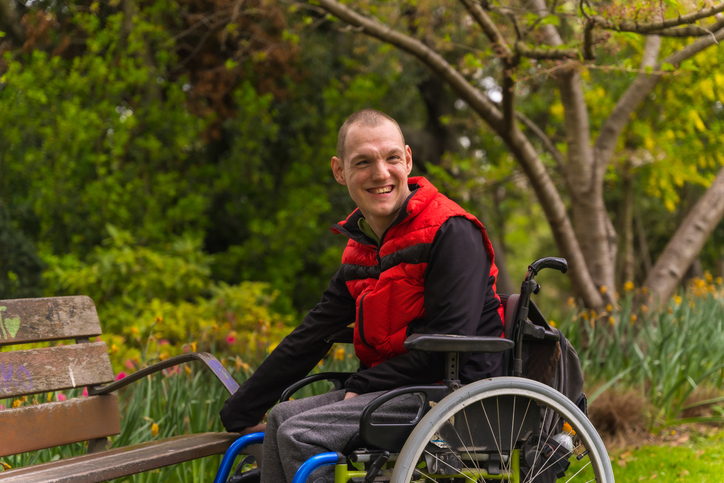
Caring for a loved one with a spinal cord injury can be both a rewarding and challenging experience. The responsibilities of caring can take a physical and emotional toll on family members, making it crucial to find effective ways to provide care and support. At Eximius Support, we understand the unique needs of people with a spinal injury, and we’re here to offer guidance and respite care to ensure that both the spinal injured person and their family receive the support they need.
Understanding Spinal Injury
Spinal cord injuries can lead to a wide range of physical and emotional challenges for people. The severity of the injury can vary, but in many cases, individuals with a spinal cord injury require assistance with daily activities such as bathing, dressing, and mobility. Understanding the specific needs and challenges is the first step to effective caregiving.
Additionally, it’s essential to recognise the emotional impact of a spinal cord injury. People often experience feelings of frustration, sadness, and even depression. Family carers must provide not only physical support but also emotional support and encouragement to help their loved ones navigate these difficult emotions.
Tips for Effective Caregiving
Create a Safe and Accessible Home Environment: Ensure the home is safe and accessible for the patient. This might involve installing ramps, grab bars, and other modifications to make daily life easier. An accessible home environment can significantly enhance independence.
Assist with Daily Activities: Helping with activities of daily living is a significant part of caring. Be patient, communicate clearly, and assist with tasks like getting in and out of bed, bathing, and dressing. These tasks can be physically demanding, so it’s essential to ensure that you’re using proper body mechanics to avoid injury.
Effective Communication: Clear and open communication is vital. Encourage the patient to express their needs and concerns and actively listen to them. Understanding their preferences and any changes in their condition is essential for providing the best care.
Be Patient: People with a spinal injury may require extra time to complete tasks or to communicate. Patience is a virtue in caregiving, and it helps reduce stress for both the caregiver and the patient.
Respect Privacy and Dignity: While providing care, respect the patient’s privacy and dignity. Encourage independence as much as possible and allow the patient to make choices about their care when appropriate.
Emotional Support for People and Caregivers
A spinal cord injury affects not only the person but also their families. The emotional impact can be profound. Providing emotional support is crucial for both the patient and the caregiver. Here are some strategies to offer emotional support:
Active Listening: Allow the patient to express their feelings and concerns. Active listening can provide a sense of relief and connection.
Encouragement: Offer words of encouragement and motivation. Celebrate small achievements and milestones in the recovery journey.
Support Groups: Consider joining support groups for people with spinal injuries and carers. These groups offer a space to share experiences and gather advice from others in similar situations.
Professional Help: Don’t hesitate to seek the guidance of a therapist or counsellor if you or your loved one is struggling with emotional issues. Professional help can provide effective coping strategies and improve emotional well-being.
Self-Care for Family Caregivers
Caring for a loved one can be demanding, and it’s easy to neglect your own well-being. However, it’s crucial to remember that effective caregiving begins with self-care. Here are some self-care strategies:
Set Boundaries: Establish clear boundaries to prevent burnout. It’s okay to ask for help from friends, family, or professional caregivers.
Take Breaks: Respite care can provide much-needed breaks for family caregivers. This allows you to recharge and attend to your own needs without compromising the care you provide.
Maintain a Support System: Lean on your support system, whether it’s friends, family, or support groups. They can offer emotional support and practical assistance.
Stay Informed: Educate yourself about spinal cord injuries, caregiving techniques, and available resources. Knowledge is empowering and can help you provide better care.
The Role of Eximius Respite Care
At Eximius Support, we understand the challenges faced when caring for a loved one with a spinal injury. To alleviate the burden and provide carers with a much-needed break, we offer respite care services. These services allow carers to take a break, rest, and attend to their own needs while ensuring that their loved ones continue to receive quality care.
Eximius respite care is delivered by experienced and compassionate professionals who are trained to meet the specific needs of spinal injured people. Whether you need a short break to rest, run errands, or simply recharge, our respite care services are tailored to provide peace of mind.
If you’re a family carer for a spinal injury patient or want to learn more about respite care, don’t hesitate to reach out to us here. Contact us today to learn more about our respite care services and other support options. Your well-being matters, and we’re here to help.
You may also be interested in the following:
Nutrition and Diet for Spinal Injury Recovery
Spinal Cord Injury And Mental Health
Lumbar Spinal Cord Damage: What You Should Know
How Spinal Injuries Can Affect People and Their Families

Spinal injuries can be life-altering, affecting not only a person’s physical well-being but also their emotional and psychological health. These injuries come with unique challenges, and one critical aspect of the recovery process is nutrition and diet. A balanced diet is pivotal in promoting healing and overall health for spinal injured people. At Eximius, we understand the significance of this and have developed recipe books to provide balanced meals for our clients as part of our commitment to holistic care.
The Role of Nutrition in Spinal Injury Recovery
The human body is an intricate system where every component works together to promote healing and well-being. Nutrition is no exception. When it comes to spinal injury recovery, the proper nutrients are essential to support the healing process. A balanced diet can help reduce inflammation, enhance tissue repair, and boost the immune system – all crucial for people with spinal injuries.
Moreover, spinal injured people often face challenges related to muscle atrophy, bone density loss, pressure ulcers, weight gain, and bowel movements. Proper nutrition can help mitigate these issues. By providing the body with the necessary nutrients, you can improve muscle strength, promote bone health, and reduce the risk of complications. It can also play a crucial role in managing body weight and ensuring regular and comfortable bowel movements.
Challenges Faced by People with a Spinal Injury
Spinal injured people face a unique set of challenges. Not only do they have to adapt to a new way of life, but they also often struggle with limitations in mobility. These challenges can impact their dietary choices. Some of the common difficulties include:
Limited Mobility: Many people with a spinal injury have limited mobility, making it challenging to shop for groceries, prepare meals, or even eat independently. This can result in poor food choices and inadequate nutrition.
Muscle Atrophy: Immobility can lead to muscle atrophy, which, in turn, affects the body’s ability to metabolise nutrients effectively. It becomes a cycle that can be challenging to break without the proper dietary support.
Emotional Impact: Coping with a spinal injury can lead to emotional stress and, in some cases, depression. Emotional factors can affect appetite, leading to inadequate food intake.
The Importance of Balanced Meals
A balanced diet for people with a spinal injury typically includes a variety of foods that provide essential nutrients and vitamins. These nutrients are vital for promoting healing and overall health. Here are some of the key components of a balanced diet for spinal injury recovery:
Protein: Protein is crucial for tissue repair and muscle growth. It helps prevent muscle atrophy and supports the healing of damaged tissues.
Vitamins and Minerals: A variety of vitamins and minerals, such as vitamin C, vitamin D, calcium, and zinc, are essential for bone health and immune function.
Fibre: A diet high in fibre can help prevent constipation, a common issue for spinal injured people due to reduced mobility.
Omega-3 Fatty Acids: These healthy fats have anti-inflammatory properties and can aid in reducing inflammation and pain.
Our carers and companions offer a range of recipes that incorporate these components, ensuring that clients receive the nutrition they need to support their recovery journey. We provide delicious and nutritious meal plans that cater to individual preferences and dietary restrictions.
Eximius Live-In Carers: A Supportive Solution
At Eximius, we understand the unique challenges faced by people with a spinal injury. Our commitment to holistic care includes providing personalised support for their dietary needs. Our live-in carers are trained to create a nurturing environment where clients can thrive. One of the ways we support our clients is by offering a recipe book sharing nutritious recipes and cooking tips and techniques.
Our live-in carers work closely with our clients to ensure that their dietary needs are met. This includes planning balanced meals that provide the necessary nutrients for healing and overall well-being. We understand that each individual has unique dietary preferences and restrictions, and we tailor our approach to accommodate these.
If you or a loved one is on a spinal injury recovery journey, don’t hesitate to reach out to Eximius. Our team is here to provide the support you need, from balanced meals to a range of holistic services. Contact us today to learn more about how we can assist you on your path to recovery and well-being. Your health and happiness are our top priorities.
You may also be interested in the following:
Food, Weight and Health for People with Spinal Cord Injury
Spinal Cord Injury And Mental Health
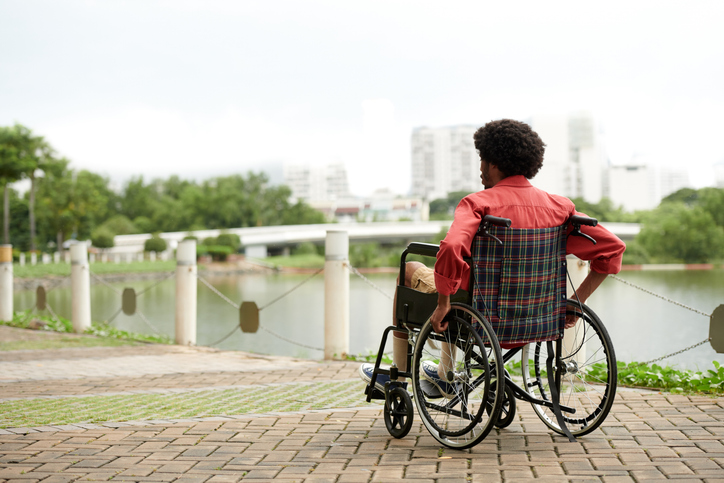
Living with a spinal cord injury is a daily challenge that often brings chronic pain and discomfort. These injuries can have a significant impact on a person’s physical and emotional well-being, making effective pain management crucial for enhancing their quality of life. In this article, we will explore different pain management techniques and approaches to alleviate discomfort associated with spinal cord injuries.
Understanding Spinal Cord Injuries
The spinal cord, a vital part of our nervous system, is crucial in transmitting signals between the brain and the rest of the body. When this communication pathway is disrupted due to an injury, the consequences can be severe.
Spinal cord injuries can result from various causes, including accidents, falls, sports injuries, and medical conditions. They can be classified into different types and severity levels, ranging from partial injuries with some residual function to complete injuries that result in total paralysis. Understanding the specifics of a patient’s injury is the first step in developing an effective pain management plan.
The Impact of Pain on Spinal Injury Patients
Chronic pain is a common companion for people with spinal cord injuries. The physical and emotional consequences of this pain can be overwhelming. Not only does it hinder mobility and daily activities, but it can also lead to depression, anxiety, and a decreased quality of life. Managing pain effectively is not just about physical comfort; it’s also about addressing the emotional and psychological toll it takes on patients.
Conventional Pain Management Techniques
Spinal injury patients have various conventional pain management techniques at their disposal. These approaches are often combined to provide the best results for each patient’s unique situation.
Medications for Pain Relief: Over-the-counter pain relievers, prescription medications, and muscle relaxants are commonly prescribed to manage pain associated with spinal cord injuries. These medications can help reduce inflammation and provide relief from discomfort.
Physical Therapy and Rehabilitation: Physical therapy is a critical component of pain management for spinal injury patients. Therapists work with patients to improve their strength, flexibility, and mobility, which can alleviate pain and enhance overall functionality.
Assistive Devices and Adaptive Equipment: Mobility aids such as wheelchairs and braces can help patients regain independence and minimise the strain on their bodies, reducing pain in the process.
Surgical Interventions: In some cases, surgery may be necessary to address specific issues causing pain. This could include procedures to stabilise the spine, repair damaged nerves or correct deformities.
Alternative Approaches to Pain Management
In addition to conventional treatments, there are alternative approaches to pain management that spinal injury patients may explore. These complementary techniques can often be used with conventional methods to provide a holistic approach to pain relief.
Complementary and Alternative Medicine: Practices such as acupuncture, massage therapy, and chiropractic care have been found to help some patients alleviate pain and discomfort. These therapies can promote relaxation, reduce muscle tension, and improve circulation.
Mind-Body Techniques: Meditation and relaxation exercises can effectively manage pain by reducing stress and promoting a sense of well-being. Biofeedback, which helps individuals gain control over physiological processes, is another valuable tool in this category.
Assistive Technology for Pain Control: Advancements in assistive technology have led to innovative solutions for pain management. Devices such as electrical stimulation units can help alleviate pain by targeting specific areas of discomfort.
Lifestyle and Coping Strategies
Pain management is not limited to medical interventions alone; lifestyle and coping strategies play a significant role in enhancing the well-being of spinal injury patients. These strategies may include:
Nutrition and Diet Modifications: A healthy, balanced diet (link blog post) can contribute to overall health and aid in managing inflammation. Some specific dietary choices can help reduce pain and discomfort.
Exercise and Physical Activity: Engaging in regular physical activity, as recommended by healthcare professionals, can help improve strength and flexibility, reduce pain, and prevent secondary health issues.
Psychological Support and Counseling: Dealing with chronic pain can be emotionally taxing. Patients often benefit from counselling or support groups to address the psychological impact of their condition and develop effective coping strategies.
Developing a Support System: Having a solid support system of family and friends can be invaluable for spinal injury patients. Social support plays a crucial role in emotional well-being and can aid in managing the challenges that come with a spinal cord injury.
Emerging Technologies and Innovations
Advancements in spinal cord injury research and treatment are ongoing, offering hope for improved pain management. Emerging technologies, such as neural interfaces and regenerative therapies, show promise in restoring function and reducing pain for spinal injury patients. Staying informed about these innovations is crucial for those seeking the best possible care.
Personalised Pain Management Plans
Each spinal injury is unique, and so are the pain management needs of those affected. A one-size-fits-all approach may not be effective. Patients need to work closely with their healthcare professionals to develop a personalised pain management plan that addresses their specific challenges and goals. This plan may involve a combination of conventional and alternative treatments, as well as lifestyle adjustments.
Eximius Live-in Carers’ Approach to Pain Management
Eximius Support offers specialised care and support to individuals with spinal cord injuries. We take a holistic approach to pain management, tailoring our services to meet the unique needs and preferences of their clients. We understand that effective pain management is about more than just physical relief; it’s about providing emotional support and improving the quality of life for our clients.
If you or a loved one is on a spinal injury recovery journey, don’t hesitate to reach out to Eximius. Our team is here to provide the support you need. Contact us today to learn more about how we can assist you on your path to recovery and well-being. Your health and happiness are our top priorities.
You may also be interested in the following:
Spinal Cord Injury And Mental Health
Lumbar Spinal Cord Damage: What You Should Know
How Spinal Injuries Can Affect People and Their Families