
In Health and Social Care, we know that our older adults’ well-being is paramount. As carers or companions, we play a vital role in providing physical care and looking out for their mental health. One of the most common but often undetected mental health challenges among older people is depression. In this article, we will delve into the signs of depression in older adults, helping you better understand and recognise the silent struggle they may be facing.
The significance of mental health awareness in the care industry cannot be overstated. In the UK, millions of elderly individuals live with depression, yet it often goes unnoticed. Our aim is to equip you with the knowledge to recognise the signs of depression in older adults, so you can provide the support they need.
The Prevalence of Depression in Older Adults
Depression is more common among older people than you might think. According to Age UK, over 2 million people in the UK over the age of 65 experience some form of depression. It’s a pervasive issue, and we must be vigilant as carers.
The Challenge of Recognising Depression
Depression in older people can be challenging to detect because they often downplay their feelings or may not even recognise their symptoms. Additionally, there is still a stigma around mental health issues in older adults, making it even more important for us to be observant.
Common Signs of Depression in Older Adults
Let’s explore some of the common signs of depression in older adults:
- Persistent sadness or hopelessness: It could be a sign if you notice your loved one frequently expressing sorrow or despair.
- Changes in appetite and weight: Sudden weight loss or gain can indicate depression.
- Sleep disturbances: Insomnia or excessive sleeping can both be linked to depression.
- Lack of interest in previously enjoyed activities: If your loved one suddenly loses interest in hobbies or activities they used to love, it may be a sign of depression.
- Fatigue and low energy: Depression often leads to physical and mental exhaustion.
- Irritability or agitation: People may become easily agitated or irritable without apparent cause.
- Physical complaints with no apparent cause: Some people may manifest their depression through unexplained physical complaints.
- Thoughts of death or suicide: In more severe cases, your loved one may mention thoughts of death or suicide. If this occurs, it’s essential to seek immediate help.
Subtle Signs and Red Flags
Beyond these common signs, it’s crucial to pay attention to subtle behavioural changes. Things like withdrawing from social interactions, neglecting personal hygiene, or expressing feelings of worthlessness are significant red flags.
Communication Strategies
If you suspect depression, open and compassionate communication is vital. Approach the topic with empathy and patience. Encourage them to share their feelings and actively listen without judgment. Remember, you are their trusted companion and your support matters.
Differentiating Between Depression and Other Conditions
Depression can sometimes mimic other medical conditions or medication side effects. If you notice any signs of depression, consult healthcare professionals for a proper diagnosis. Your client’s GP or mental health services in your local area can provide valuable guidance.
Supporting a Loved One with Depression
If you suspect your loved one is experiencing depression, offer emotional support. Encourage them to engage in activities they enjoy, maintain a healthy diet, and ensure they get regular exercise. Involve friends and family and consider connecting with local mental health support services.
Recognising depression in older adults is vital to our role as carers. We can positively impact their mental health by being aware of the signs and taking proactive steps.
Eximius Support provides dedicated and compassionate live-in care. If you want to learn more for yourself or a loved one, please get in touch.
Additional Resources
Age UK: They provide a wealth of information on mental health and support services for older adults.
NHS Mental Health Services: The National Health Service offers mental health support, including crisis helplines.
You may also be interested in:
Loneliness Awareness Week: Supporting Our Elderly Loved Ones
Stress on the Elderly: Understanding the Physical and Emotional Symptoms and Ways to Reduce It

Cancer is a challenging journey, and providing care and support to a loved one during their cancer treatment can be a deeply fulfilling yet demanding responsibility. Many families take on the role of caregivers, helping their loved ones through this difficult time. This article aims to provide practical advice and guidance for carers who are providing home care for someone undergoing cancer treatment.
Understanding the Role of Home Care
Home care plays a vital role in supporting individuals during their cancer treatment. It offers comfort, familiarity, and emotional support in an environment where they feel safe and secure.
Assessing Your Loved One’s Needs
Every person’s journey with cancer is unique. Begin by assessing your loved one’s needs. Take into consideration their physical requirements, emotional well-being, dietary preferences, and any specific treatment-related needs. This assessment will help you tailor your approach to their individual circumstances.
Creating a Comfortable and Safe Space
Making your home environment safe and comfortable is essential. Consider necessary home modifications to ensure safety and accessibility for your loved one. Create a calming and reassuring space where they can rest and recover comfortably.
Medication Management and Symptom Control
Medication adherence is critical during cancer treatment. Organise and administer medications as prescribed, and ensure pain management and symptom control are addressed effectively. Maintain clear records to track medication schedules and potential side effects.
Nutritional Support
Proper nutrition is crucial to support cancer treatment and recovery. Work with your loved one to plan meals that align with their dietary requirements and preferences. Be prepared to manage common side effects such as nausea or loss of appetite by adjusting the menu accordingly.
Daily Care and Hygiene
Daily care routines, including bathing, grooming, and oral hygiene, are integral to maintaining well-being. Provide compassionate care, and encourage independence wherever possible, while being sensitive to your loved one’s comfort.
Emotional Support
Cancer is not just a physical battle; it takes a toll on emotional well-being as well. Both patients and carers may experience a range of emotions. Open communication, active listening, and a supportive presence are essential components of emotional support.
Respite Care and Carers Support
Taking care of yourself is as important as caring for your loved one. Avoid carer burnout by seeking respite care when needed and tapping into carer support services available. You can provide better care when you are well-rested and supported.
Communication with Healthcare Providers
Effective communication with your loved one’s medical team is vital. Keep lines of communication open, report treatment progress, express concerns, and ask questions when necessary. Your insights as a caregiver can contribute significantly to their care.
Planning for the Future
It’s essential to plan for the future, including potential changes in your loved one’s condition. Consider long-term care options, including hospice care if needed. Seek guidance and resources to navigate this aspect of caregiving.
Caring for a loved one at home during cancer treatment is an act of love and support. Your dedication can make a significant difference in their journey. Remember that you are not alone, and there are resources available to assist you in providing the best care possible.
Eximius Support provides dedicated and compassionate live-in care. If you want to learn more for yourself or a loved one, please get in touch.
You may also be interested in the following:
Live-in Care: Nurturing Mental Well-being for Carers and the Cared For
Top 10 Qualities of a Good Carer
5 Top Tips to Help Carers to Care for Themselves

Finding care for your loved one – someone who has always been there for you but now needs extra support – is no easy task.
You want them to feel safe, respected and comfortable, but navigating the world of care can feel daunting. We know first-hand the difficulties of making these sorts of choices and the whirlwind of emotions they generate – so where do you start?
In the UK, there are two main options for care: live-in care and residential care. Both offer valuable assistance, but understanding the key differences is crucial for making the best choice for your unique situation.
Here at Eximius, we are committed to empowering you to make an informed decision between live-in and residential care that prioritises you or your loved one’s well-being and happiness.
Live-in care offers a host of benefits such as familiarity and personalised care, while also encouraging ongoing social participation and independence.
Ultimately, our goal is to empower you to make an informed decision that prioritises well-being and happiness. So how does live-in care differ from residential care?
Residential Care
Residential care, aka care homes or nursing homes, is where people live and receive care in a semi-communal setting.
It’s a fantastic option that can help them stay social, as there are other residents to swap stories and share experiences with. It’s also great if they require a more stimulating environment as residential care homes will have a regular events and activities’ schedule for residents as most have a dedicated activities coordinator.
Residential care homes have multiple members of staff to assist but, of course, this support is shared between several residents. Families and friends of those needing extra support may find this comforting, especially in specialist care settings as all members of staff will be trained in the home’s specialism.
It’s also an option for those needing a change of scenery – for example, after the passing of a spouse or moving to a home closer to other family members.
A point to note is that a move to residential care can be challenging for some individuals. In 2020, it was found that 80% of older people would prefer to remain in their own homes.
Moving to a new environment can be difficult for some, especially when factoring in other new experiences like losing a sense of independence and control over routines and having less privacy due to communal spaces.
Live-in Care
This leads us on to live-in care; a type of care which allows older people to stay in the comfort of their own homes and involves a dedicated carer. This person – or companion – lives in the client’s home and is on hand for all their care needs.
Investing in live-in care means that your loved one can continue living their usual life, with the benefit of increased safety. They can stay comfortable, surrounded by their keepsakes and memories and free to enjoy their creature comforts – from keeping their pets or vegetable gardens, to socialising with friends from the local community.
It also allows for more individualised care that’s tailored to specific needs, as well as more contact time with a carer with one-to-one support (or one-to-two in the case of couples remaining at home together.)
Once thought to be ‘the expensive choice’, live-in care is more affordable than ever and can help maintain independence and identity for those who need extra support.
Finding the Right Choice
So now you know a little bit about the main types of care, here’s what else you need to consider when choosing between residential and live-in care:
- The specific level and type of care required (for example, basic assistance vs. complex medical; do they need specialist care for a condition?)
- Mobility and level of independence
- How stimulating or social does the environment need to be? (Do they want a quiet environment or would it be beneficial for them to be around more people? Are they interested in having activities organised for them?)
- Financial implications
- Individual preference as well as the input of loved ones (involving loved ones in the process not only makes everyone feel valued, the additional input can help with decision making
Read our article: This is often the point families begin comparing options.
Eximius: Live-in Care Specialists
Eximius Live-In Care was founded by Kate in 2016, inspired by her own fiercely independent mother. We aim for our clients to enjoy a full, safe and happy life, and for their families to enjoy peace of mind that their loved ones are well cared for.
Our vision is to provide bespoke care services focused on helping elderly and vulnerable people live their lives to the fullest. We hope that our clients feel empowered to be able to carry on doing the things they enjoy, with the support of an Eximius companion or carer to make sure they are supported and looked after.
All our carers and companions are fully vetted and trained. They also work directly for us, which means friends and family do not have the added stress of hiring an external carer.
Carers are matched with clients based on experience, training and personality to ensure that they are the best companion, expert carer and friend to them.
Ultimately, the decision between live-in care and residential care depends on your loved one’s individual needs and preferences.
Remember, the most important factor is your loved one’s well-being and happiness. We encourage you to have open conversations with them, involve them in the decision-making process as much as possible, and don’t hesitate to seek professional guidance if needed.
If you or a loved-one would like to understand more about the different care options available, please contact us for further information. We’d love to help.

When facing a serious illness, one of the most fundamental desires for patients and their families is maintaining a sense of comfort, dignity, and control over their lives. Palliative care is designed to do just that. In this article, we’ll explore the advantages of palliative care at home and how live-in care services are pivotal in making this option a reality.
What is Palliative Care?
Palliative care is specialised medical care focused on enhancing the quality of life for individuals with serious illnesses. It provides comprehensive support, managing pain and symptoms while addressing patients’ emotional, social, and spiritual needs.
While palliative care can be delivered in various settings, including hospitals and hospice facilities, receiving palliative care at home is an increasingly popular and comforting option. Home-based palliative care allows individuals to remain in their familiar surroundings, surrounded by loved ones, and receive personalised care that aligns with their unique needs and preferences.
Benefits of Receiving Palliative Care at Home
Familiar Surroundings and Comfort
They say there’s no place like home, and this sentiment takes on greater significance when facing a serious illness. Home is where cherished memories reside, where every nook and cranny tells a story, and where individuals feel most at ease. Choosing to receive palliative care at home allows patients to remain in their comfort zone, surrounded by the familiarity of their belongings and the support of loved ones.
Enhanced Emotional Support from Loved Ones
Being at home means that patients have constant access to the emotional embrace of their family and friends. This support network can be a vital source of strength and solace during a difficult journey.
Personalised Care Plans
Palliative care at home offers the advantage of tailoring care plans to the specific needs and preferences of the patient. Carers can work closely with patients and their families to develop a plan that addresses their medical, emotional, and practical requirements.
Reduced Hospital-Related Stress
Palliative care at home offers a reprieve from the hospital environment, allowing patients to receive expert care without the added stressors of a clinical setting.
Maintaining Independence and Control
Maintaining independence and control is crucial for many individuals, even in a serious illness. Palliative care at home supports this desire by allowing patients to choose their care and daily routines. Patients can decide when to eat, rest, and engage in activities that bring them joy.
How Live-In Care Services Support Palliative Care at Home
Live-in carers are instrumental in making palliative care at home a reality. Here are some of the ways that we can do this:
Skilled and Compassionate Caregivers: Live-in carers are compassionate professionals trained to provide specialised care tailored to the patient’s unique needs.
Tailored Care Plans: Caregivers work closely with patients and their families to develop personalised care plans, ensuring the care provided aligns with the patient’s values and goals.
Assisting with Daily Needs: Carers help with daily tasks such as bathing, dressing, grooming, and mobility, preserving the patient’s dignity throughout the process.
Medication Management: Carers manage medications, monitor for side effects, and collaborate with the medical team for necessary adjustments.
Emotional and Psychological Support: Carers offer emotional support, comforting presence, and encouraging patients to express their feelings and concerns.
24/7 Availability and Flexibility: Live-in carers are available around the clock, enhancing safety and comfort for patients and their families.
Preserving Dignity in Palliative Care
Preserving dignity is a core principle of palliative care, recognising every individual’s inherent worth and value, even in the face of serious illness. It’s about ensuring patients maintain self-respect and self-worth throughout their care journey.
Effective Communication: Open and compassionate communication is vital. Care providers actively listen, provide clear information, and encourage patients to express their wishes and preferences.
Maintaining Personal Hygiene and Grooming: Caregivers assist with personal care tasks while respecting patients’ privacy and preferences.
Promoting Privacy and Autonomy: Respecting the patient’s need for privacy and autonomy is crucial. Caregivers offer opportunities for patients to make choices about daily routines and activities.
Addressing Emotional and Psychological Needs: Palliative care addresses emotional and psychological needs. Caregivers provide emotional support, and encouraging patients to engage in life review and legacy-building activities helps them find meaning and purpose.
How Eximius can help
As you consider the options for palliative care, remember that palliative care at home offers a unique path filled with compassion, comfort, and the preservation of dignity. It’s a choice that allows patients to continue their journey with grace and autonomy, surrounded by the warmth of home and the unwavering support of dedicated caregivers.
Our commitment is to provide compassionate care that aligns with your values, honours your preferences, and helps you or your loved one find comfort and dignity in every moment. Please do not hesitate to reach out if you have any questions or want to explore palliative care options further. Together, we can ensure that every step of the journey is filled with the utmost care and compassion.
You may also be interested in the following:
Does Palliative Care Mean End Of Life?
The Importance Of End Of Life Care For People With Dementia
How To Cope With A Terminal Illness
How Eximius chooses carers and companions

Caring for our hearts becomes increasingly essential as we age, especially for older adults. Heart-related issues are prevalent, but we can significantly reduce the risk and promote better heart health with the proper daily routines and habits. In this article, we’ll explore practical daily routines that support heart health for older adults.
Understanding the Significance of Heart Health in Older Adults
Heart health should be a top priority for older adults as heart-related conditions are common among older people. The ageing process can make our hearts more vulnerable to cardiovascular issues, but adopting heart-healthy habits can make a big difference in our overall well-being.
Start the Day Right with a Heart-Healthy Morning Routine
Begin each day with a heart-healthy morning routine. A balanced breakfast filled with whole grains, fruits, and low-fat dairy products can fuel your body. Incorporating gentle morning exercises or stretches can get your blood flowing and boost your energy levels. Don’t forget to take any prescribed medications as directed, and don’t hesitate to consult your doctor about any concerns.
Prioritise a Heart-Healthy Diet Throughout the Day
Maintaining a healthy diet is crucial. Strive for balanced meals with lean proteins, plenty of vegetables, and whole grains. Slow down and savour your food to prevent overeating, and cut down on salt by using herbs and spices for flavour.
Stay Hydrated and Mindful of Fluid Intake
Proper hydration is essential, especially for older people. Drink adequate water throughout the day to maintain hydration, and pay attention to your fluid intake, especially if you have specific medical conditions requiring careful fluid management.
Incorporate Regular Physical Activity
Regular exercise is a cornerstone of heart health. Engage in age-appropriate exercises such as walking, swimming, or gentle yoga. Find ways to incorporate physical activity into your daily routine, even if it’s just short walks.
Effectively Manage Stress Throughout the Day
Stress can negatively affect heart health. Practice stress-reduction techniques such as mindfulness or deep breathing exercises, and incorporate moments of relaxation and self-care into your day.
Prioritise a Good Night’s Sleep with an Evening Routine
Adequate sleep is essential for optimal heart health. Establish a relaxing bedtime routine to improve sleep quality and maintain good sleep hygiene practices for a comfortable night’s sleep.
Incorporating these daily routines and habits into your life can make a significant difference in maintaining a healthy heart as you age. Promoting heart health is a holistic journey, and by making these practices a part of your daily life, you can enjoy a longer, healthier, and more fulfilling life.
Eximius Support provides dedicated and compassionate live-in care. If you want to learn more for yourself or a loved one, please get in touch.
You may also be interested in:
Promoting Healthy Ageing In Men
Preventing Dementia: Strategies for Maintaining Cognitive Health
Common Sleep Disorders in Older Age
How To Keep Mentally Active As You Age
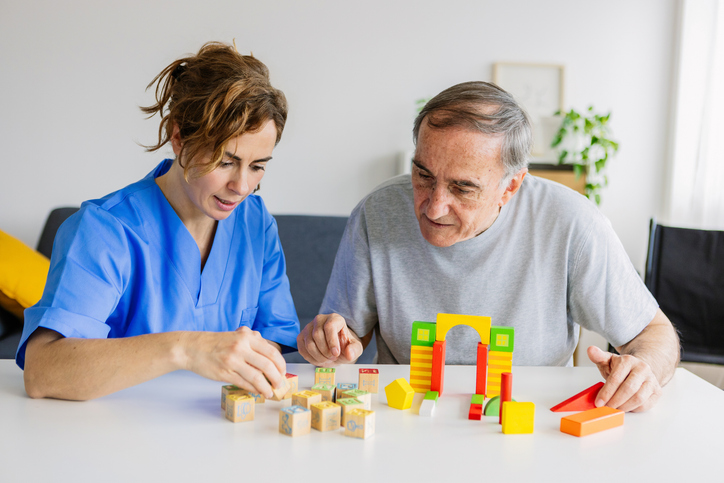
Alzheimer’s is a condition that is becoming increasingly prevalent among older adults. This gradual deterioration affects memory, thinking abilities, and behaviour. To better understand this condition and support those affected and their families, it’s crucial to understand Alzheimer’s disease and explore the strategies to provide comprehensive care.
Understanding Alzheimer’s Disease
Imagine your brain as a vast interconnected network responsible for memory, cognition, and daily activities. Alzheimer’s disease disrupts these connections gradually. Initially, it leads to forgetting things that were once effortlessly remembered, such as the location of an item or the names of loved ones. Subsequently, cognitive abilities decline, problem-solving becomes difficult, and mental clarity resembles a disarrayed puzzle. At times, the condition even prompts behavioural changes.
As time progresses, routine tasks like dressing or engaging in conversations can become increasingly challenging for individuals with Alzheimer’s. The situation can evoke frustration and confusion. The impact extends beyond the affected person, encompassing their friends and family, who might experience various emotions. Everyone must familiarise themselves with Alzheimer’s to provide support and empathy to those affected.
Unravelling the Causes of Alzheimer’s
While the precise causes of Alzheimer’s remain unknown, certain contributing factors have emerged. Visualise assembling a complex puzzle – each element contributes to the larger picture. Genetics, advancing age, lifestyle choices, and specific health conditions all come into play. With age, susceptibility to Alzheimer’s increases, particularly if there’s a family history. This association is like inheriting a genetic code that increases the likelihood of developing the disease.
The Significance of Early Detection
Identifying Alzheimer’s symptoms early is crucial for timely intervention. Signs may include frequent forgetfulness, difficulty with familiar tasks, disorientation regarding time and place, and shifts in mood or behaviour. Detecting these indicators at an early stage helps manage challenges and the ability to plan for the future.
Navigating the Diagnosis Process
Diagnosing Alzheimer’s involves a comprehensive evaluation by healthcare professionals. This includes reviewing the individual’s medical history, conducting cognitive assessments, using brain imaging techniques to understand cerebral activity better, and even analysing blood samples. Encouraging individuals and their families to seek early diagnosis can lead to more effective treatments and support strategies that enhance the quality of life for those affected.
Strategies for Treatment and Care
Caring for someone with Alzheimer’s requires a multifaceted approach. This approach integrates pharmaceutical interventions for symptom management and non-pharmacological strategies like engaging cognitive faculties through mental exercises and adopting techniques to cope with changes in behaviour. Carers play a vital role in tending to both the physical well-being and emotional needs of those with Alzheimer’s. Their role is to nurture a secure and supportive environment.
Supporting Carers
Carers shoulder significant responsibilities when caring for people with Alzheimer’s. This role involves ensuring safety, providing emotional comfort, and maintaining clear communication. Equally crucial is the well-being of caregivers themselves. Prioritising self-care, seeking assistance when needed, and accessing community resources contribute to preventing caregiver burnout and sustaining the resilience required for this demanding role.
Advocating Awareness and Research:
Raising awareness about Alzheimer’s is crucial to help correct misconceptions and encourage empathy within society. Educating the public about the signs, challenges, and impact of Alzheimer’s promotes inclusivity for individuals living with the condition. Additionally, advocating for research and resources improves care and understanding. September is Alzheimer’s Awareness Month, a dedicated time that serves as a platform for collective action. During September, various initiatives, educational programs, and campaigns take place to boost understanding, reduce stigma, and fund research and support services. Active participation strengthens the support network for individuals with Alzheimer’s and their caregivers.
Eximius Support: Providing Tailored Assistance
For anyone who needs additional assistance at home, Eximius Support can help. With a compassionate team of professional carers, we deliver personalised care, recognising the unique requirements of individuals with Alzheimer’s. Please contact us here for further information about how we can help you or a loved one.
You may also be interested in the following:
7 Tips for Caring for a Loved One with Dementia at Home
Understanding the Distinction Between Dementia and Alzheimer’s
Understanding The Diagnostic Process For Dementia
What Can You Do When Dementia Takes Away the Desire to Eat?

What is post hospital recovery care?
Following a period of illness, surgery, or unexpected situation, Eximius can provide short term care to make the journey of recovery a little easier. For the majority short term care is a one-off care arrangement to support an individual post hospital release.
Often this can mean that an individual can leave hospital earlier, if medical professionals are aware that the patient is being looked after by a qualified trained carer.
As a result, a patient can get back to the comfort of their own home, surrounded by their loved ones. This can have a positive effect on an individual’s well-being, health, and quality of life. Evidence has shown that 97% of people given the choice would want to stay in their own home to receive the care they need. Eximius provide outstanding short term live-in carers to allow this to happen.
On occasions short term live-in care is required urgently following an unexpected situation. Often family members can become overwhelmed with organising urgent care for a loved one, as well as continuing to carry out day to day living.
Eximius can help take the pressure of by arranging it all, allowing family members to continue emotionally supporting their loved ones. If urgent care is required, care managers can often visit a home within 24 hours to access the house, understand more about the individuals needs and establish a relationship with the family. Available carer profiles can then be sent over to family members for them to select the best suited. This allows choice and allows family members to still feel in control.
How our companions can help during short-term care
Managing and administering medications
All companions at Eximius are fully trained and qualified in the administration of medication. We ensure that companions understand and aware of client’s medication usage before they go into placement. This helps ensure a smooth and accurate handover.
Additionally, companions are required to document the administration of medication on a secure care electronic system. This helps companions monitor intake and let a clients family know that their loved one is being looked after. This can be extremely reassuring. Companions will also ensure that repeat prescriptions are made and will collect medication from the pharmacy. This takes all pressure of the client’s family and helps a family carer relax and rest of their break.
Personal care
Companions at Eximius can help assist clients with personal hygiene. We understand that this can be a sensitive matter and ensure that the client’s dignity is respected whilst helping with personal care. Additionally, companions can help with assisted care such as supporting clients with appearance, dressing and grooming.
Help them stay socially active
Our companions can help keep clients stimulated by ensuring they keep in touch with friends, remain active and attend activities they enjoy and love. This is good for a client’s confidence, mental wellbeing and helps ensure they remain connected to the local community. Companions can also escort clients on daytrips helping ensure that our clients experience a quality life that they deserve.

Additionally, companion’s at Eximius can play a vital role in ensuring clients carry out exercise and rehabilitation. Activity is the best way to keep a client’s body healthy, improve mental health and to avoid complications. Research has demonstrated the benefits of activity in maintaining health and function as well as recovery. They may need to relearn basic skills, such as walking or talking. Companion’s can ensure that daily rehabilitation takes place during short-term care.
Help with domestic tasks
Companions at Eximius are required to keep a client’s house clean. All rooms are regularly cleaned and vacuumed ensuring that the upkeep of the house is kept to a high standard. This can be reassuring to a client’s family knowing that there relative is in a safe and tidy environment.
Help care for the client’s much-loved pet
Companions at Eximius will happily support looking after client’s pets by feeding them and taking them on regular walks.
Eating and drinking
At Eximius companions help with the client’s food shopping and cook healthy well-balanced meals. Meal’s choices can be prepared based on the client’s desires and preferences. This ensures that the client regularly eats/drinks and receives essential vitamins. This is important in remaining healthy and keeping their immune systems strong helpful in fighting illness. Each companion is provided with an Eximius recipe book when going into a placement. The recipe book is filled with tasty healthy meals helpful in ensuring clients receive a range of delicious meals.
Companionship
Companions at Eximius can provide excellent emotional support and assistance during short-term live-in care. Our companions are carefully selected by our recruitment manager, ensuring that all companions employed by the company are of an outstanding care standard. Companions are perfectly matched to a client to ensure they share similar interests and hobbies. This enables a client to continue living an interesting and stimulating life.
Reasons to choose Eximius
Speed
We can put care in place very quickly. While it is better to have more time, sometimes people return home and suddenly realise they need more help than they thought or would rather not be on their own. We can put care in place within 24 hours and have been known to organise it in a little as 6!
Flexibly
Often people don’t know what they need and how long they’ll need it for. Because we are small, we can make quick decisions and change things as and when is needed.
Choosing the correct care is an important decision and our experienced team are here to help every step of the way. Please do not hesitate to contact us, we are more than happy to help.

We all check the time…all the time! Even if we don’t realise it. Knowing the time keeps us orientated through the day.
We check the clock to see if it’s time to get up in the morning, to check we’re not running late for an appointment. A quick look at the time tells us that it’s time to start cooking dinner for the family or that it’s time to turn the TV off and go to sleep.
For people with dementia, this skill becomes more difficult and is progressively lost. Not being able to tell the time can make dementia sufferers feel confused and anxious. Unfortunately, losing the ability to tell the time is often one of the early symptoms of a dementia patient’s journey.
Why does dementia affect the ability to tell the time?
Dementia affects the part of the brain that allows us to tell the time. As cognitive function in that area of the brain declines, dementia sufferers slowly lose their ability to read the numbers, the position of the numbers or understand the placement of the hands on the clock. Therefore, they can no longer tell the time.
What problems does it cause?
Along with the inability to tell the time, people with dementia also experience memory loss and often forget what day, month, or year it is. They often have no sense of time and can’t tell if an event happened an hour ago or a week ago. This causes great confusion, fear, and vulnerability, which is often expressed with clingy or repetitive behaviour.
For a previously independent person, the inability to keep track of time can be devastating. Missing meals and being late for appointments is upsetting and confusing for someone who has been used to a routine orientated life.
Tips to help people with dementia tell the time
In the early stages of dementia ensure that the clocks around the house are clear. Plain clocks with numbers clearly marked will help them tell the time. As dementia progresses, digital clocks with the time clearly visible, may become more useful. Once interpreting the numbers becomes too difficult, a digital clock that simply states the day and either morning, afternoon, evening or night, may be more beneficial.
The Alzheimer’s Society online shop sells digital and manual clocks that are particularly beneficial for people with dementia.
Eximius can help
At Eximius, we provide exceptional live-in support for people diagnosed with Dementia. All our companions are fully trained and qualified with Dementia care and are aware of the importance of supporting them to maintain skills, abilities, and an active social life.

Dementia is a word we are all familiar with, but do we really understand what it means? If you have had limited exposure to dementia, your views of it are likely to have been shaped by how it is portrayed on the screen, in books, or in the media, and it is often the later stages of dementia that are featured.
You may already be caring for someone with dementia, or you may have concerns that a loved one is exhibiting potential symptoms.
But to provide the best care and support both before and after a dementia diagnosis, it is important to understand how it manifests itself in the early stages.
A word of caution
Dementia is not actually a disease itself. It’s a collection of symptoms that occur following damage to the brain. The damage is caused by different diseases and the symptoms differ according to the part of the brain that is damaged.
As is the case with many other cognitive impaired conditions, no two people will have the same effects or symptoms.
And whilst there are several symptoms that are common in the early stages, many might be caused by something other than dementia so be cautious of jumping to conclusions.
However, dementia is not a natural part of aging, so it is important to reach out to your GP should you have concerns. Monitor and record symptoms so you have a medical history to share as this can help with a diagnosis.
What to look out for
Impairment to memory, communication, and focus, changes in mood, emotions, and personality, can all be commonplace in the early stages of dementia. It is helpful to be aware of how these symptoms might present:
Memory and cognitive changes
- Subtle memory loss can be an early symptom of dementia, with short term memory often impacted.
- This can mean someone in the early stages of dementia can’t remember what they had to eat that day but are able to recall events from many years ago. Or are not able to recall what they have come into a particular room for, or remember where they left an everyday item such as keys or glasses.
- Another symptom is struggling to complete normal tasks or follow step-by-step instructions.
Communication changes
- Struggles with communication and understanding can be another early symptom.
- This may result in people having difficulty finding the right words for what they want to say or struggling to follow a
conversation or on-screen plot. - This confusion occurs because dementia can cause people to forget the meanings of some words or phrases or be able to recall common reference points.
- This means conversations with a person with dementia can take a long time, be incohesive, frustrating and difficult to manage.
- It can also cause an inability to recall people’s faces, buildings or locations which can make them more likely to get lost or confused.
- This can be frightening and isolating for the person experiencing symptoms as well as worrying and concerning for their loved ones.
Personality changes
- Poor judgment can be another early symptom of dementia. Judgement affects the way people make decisions and this symptom can present itself as a personality change.
- This can mean a person in the early stages of dementia may have difficulty in recognising how to behave in accordance with normal social boundaries and etiquette. For example, they may behave with extreme shyness or gregariousness which can cause embarrassment and distress to others present.
- Or they may be unable to recognise danger and so may put themselves in situations where they may come to harm such as navigating busy traffic as a pedestrian or as a driver.
- Or they may change their attitude to personal hygiene and so may wash less frequently or take less care of their physical appearance.
- Impaired judgement can also invariably mean resistance to well-intentioned suggestions from a loved one which can also be met with frustration, confusion and sometimes anger.
- People in the early stages of dementia may also experience apathy and a general withdrawal from life, such as interest in hobbies to spending time with friends and family.
- Depression can be another early symptom of dementia.
How the right care can help
In the very early stages of dementia, many people can enjoy life in the same way they did prior to their diagnosis. But as symptoms get worse, a person with dementia feels confused more and more often and are unable to make sense of the world around them. This can cause them to feel isolated and frustrated and be angry at themselves or those around them but are unable to articulate why.
Witnessing and caring for a loved one who is navigating the symptoms of dementia can be upsetting, exhausting, and frequently feel overwhelming.
We provide exceptional live-in support for those diagnosed with Dementia. We are acutely aware of the importance of supporting our clients with Dementia to maintain skills, abilities, and an active social life. This is crucial in not only helping how they feel about themselves, helping to reduce behaviours that are out of character but also provides reassurance to family members that their loved ones are being looked after. We also recognise that caring for someone with dementia can be exhausting and having a regular break or respite can be vital.
If you or a loved one would like to understand more about any of our live-in care services such as respite care, day care, or night care and clinical care, please get in contact, we’d love to help.
As Thank You Day approaches, we have the perfect opportunity to express our heartfelt gratitude to the incredible carers who provide support and compassionate care to those in need.
Our dedicated professionals go above and beyond to improve the lives of others. On this special day, we want to acknowledge their extraordinary efforts and show our appreciation. We also want to recognise the selfless commitment of all the unpaid carers that make a profound difference in their loved ones’ lives. We want to honour and celebrate their invaluable contributions on Thank You Day and every day.
Thank You Day, a day dedicated to expressing gratitude, provides an opportunity for carers to explore gratitude practices. Gratitude helps shift your focus to the positive aspects of life, nurtures well-being, and builds inner strength. Here, we look at the importance of gratitude and provide practical tips to promote self-care and resilience on Thank You Day and beyond.
The Power of Gratitude
Gratitude is a powerful tool that allows us to acknowledge and appreciate the blessings, both big and small, in our life. For carers, embracing a gratitude mindset can help counteract the emotional and physical challenges in their demanding roles. It provides a means to find solace, maintain motivation, and enhance overall well-being.
Cultivating a Gratitude Practice
Daily Gratitude
Start each day by reflecting on the things you are grateful for in your work and home life. Whether it’s the trust bestowed upon you, a positive interaction with a client, or the ability to make a difference. Acknowledge these moments and the positive effects they have on you.
Express Appreciation
Take the opportunity to express your heartfelt appreciation to the clients and families you serve. Share specific moments that touched your heart. Highlight their impact on your life as a carer.
Gratitude Rituals
Incorporate gratitude rituals into your daily routine. Before starting or ending your day, take a moment to mentally list a few things you are grateful for. Create a gratitude jar to collect appreciation notes from clients or loved ones.
Seek Support and Share Gratitude
Connect with fellow caregivers or join support groups to share experiences and express gratitude. Hearing others’ stories can inspire and remind you of the positive impact you make in the lives of those you care for.
Self-Appreciation
Practice self-compassion and self-appreciation. Recognise your strengths, resilience, and the valuable work you do as a carer. Treat yourself with kindness and engage in activities that bring you joy and rejuvenate your spirit.
Benefits of Gratitude for Caregivers
A regular gratitude practice in your life can have several benefits:
- Increased resilience and emotional well-being.
- Reduced stress and burnout.
- Improved relationships and connections with clients and loved ones.
- Heightened self-awareness and self-care.
- Enhanced job satisfaction and motivation.
Prioritising self-care and improving resilience through gratitude will help you to continue providing the exceptional care you give. Embrace the power of gratitude to nurture your well-being, build inner strength, and ensure that the spirit of Thank You Day is present every day.
A caring career at Eximius
We are always looking for the perfect candidates to expand our team of exceptional and dedicated live-in carers. Visit here to see the opportunities we currently have available.
To learn more about us, head over here to meet the team.

What is Dementia?
Dementia is a syndrome (a group of related symptoms) associated with an ongoing decline of brain functioning. There are many different causes of dementia, and many different types. People often get confused about the difference between Alzheimer ’s disease and dementia. Alzheimer’s disease is a type of dementia and, together with vascular dementia, makes up the majority of cases.
Symptoms of dementia include problems with memory loss, thinking speed, mood, understanding, movement, language, and judgement.
- Research shows there are more than 850,000 people in the UK who have dementia. This is set to rise to over one million by 2025
- 9,600 will develop dementia this year, that’s one every three minutes
- One in 14 people over the age of 65 have dementia
- The condition affects 1 in 6 people over 80
In the early stages of dementia, many people are able to enjoy life in the same way they did prior to their diagnosis. But as symptoms get worse, the person may feel anxious, stressed, and scared at not being able to remember things, follow conversations or concentrate.
This can be distressing for both the person with dementia and their family surrounding them. It is also exhausting for the person caring for that individual.
It can change their relationship and mean they are unable to cope with their own emotional and physical needs.
How our companions can help
At Eximius we provide exceptional live- in support for those diagnosed with Dementia. All our companions are fully trained and qualified with Dementia care. Our companions are aware of the importance of supporting those with Dementia to maintain skills, abilities, and an active social life. This is crucial in helping how they feel about themselves, helping reduce behaviours that are out of character and reassure family members that their loved ones are being looked after.
Eating and drinking
Those with Dementia may not drink and eat enough as they do not realise that they are thirsty and hungry. This can put them as risk of:
- Urinary tract infections (UTIs)
- Constipation
- Headaches
- Loss of weight
This can lead to increased confusion and make the symptoms of dementia worse. At Eximius companions help with the client’s food shopping and cook healthy well-balanced meals. Meal’s choices can be prepared based on the client’s desires and preferences. This ensures that the client regularly eats/drinks and receives essential vitamins. This is important in remaining healthy and keeping their immune systems strong helpful in fighting illness.
Helping with incontinence and using the toilet
People with dementia may often experience problems with going to the toilet. Both urinary incontinence and bowel incontinence can be difficult to deal with. It can be very upsetting and uncomfortable for the person with dementia.
Problems can be caused by:
- Urinary tract infections (UTIs)
- Constipation, which can cause added pressure on the bladder
- Some medicines
Sometimes the person with dementia may simply forget they need the toilet or where the toilet is. Companions at Eximius can:
- Look for signs that their client may need the toilet such as fidgeting or standing up or down
- Keep the client active by taking them on daily walks. This can help with regular bowel movement and prevention of urinary tract infections
- Make the client go to the toilet as part of their regular daily routines
- Place signs and pictures on the toilet door to help remind clients
Help with personal care
Some people with dementia can become anxious about personal hygiene, forget, and may need help with washing. Washing is a personal, private activity. Companions at Eximius understand that this can be a sensitive matter and ensure the person’s dignity is respected whilst assisting with personal care.
Help with sleep problems
Dementia can affect people’s sleep patterns and cause problems with a person’s “body clock”. People with dementia may get up repeatedly during the night and be disorientated when they do so. This can be dangerous if there is no one to comfort the individual and assist them back to bed. At Eximius we can provide live-in night care. Companions remain awake throughout the night and regularly check the client is safe.
Help cope with distress
When a person with dementia becomes distressed, it is often because they are trying to communicate something to you. If a person with dementia does start to become upset, our companions can help them feel calmer by comforting them, for example giving them a hug, playing music they love, sitting and holder their hand, offering them a cup of tea, provide reassure and helping the client find the answer themselves.
Help them stay socially active
Our companions can help keep dementia clients stimulated by ensuring they keep in touch with friends, remain active and attend activities they enjoy and love such to dance lessons, swimming classes, art lessons. This is good for a client’s confidence and mental wellbeing. According to ‘DailyCaring’ home dementia exercise programmes help increase abilities and improve symptoms of Dementia. They improve cognitive function, reduce depression, improve balance and improve ability to perform everyday tasks.
Companions can also escort clients on daytrips to museums and concerts and on holiday. This helps ensure that our clients experience a quality life that they deserve.
Help with domestic tasks
Companions at Eximius are required to keep a client’s house clean. All rooms are regularly cleaned and vacuumed ensuring that the upkeep of the house is kept to a high standard. This can be reassuring to a client’s family knowing that there relative is a safe and tidy environment.
Help care for the client’s much-loved pet
Companions at Eximius will happily support looking after client’s pets by feeding them and taking them on regular walks.
Reasons to choose Eximius
Consistency
We believe in keeping the same carer in place for as long as possible. This means less anxiety for the person with dementia and that the carer can learn a clients likes and dislikes and what might trigger an adverse reaction.
Dementia specific Support
Our GP Dr Bashir is an expert in elderly care and in Dementia. Our clinical lead Claire dancer is a specialist in mental health and addiction. Between the 2 of them they offer a wealth of knowledge and support to clients and family members struggling with the impact of dementia.
Carers training
All our carers are trained in dementia and many of them have extensive experience in different types of dementia, including Alzheimer’s, vascular, Lewy bodies and Korsakoff.
Choosing the correct care is an important decision and our experienced team are here to help every step of the way. Please do not hesitate to contact us, we are more than happy to help.
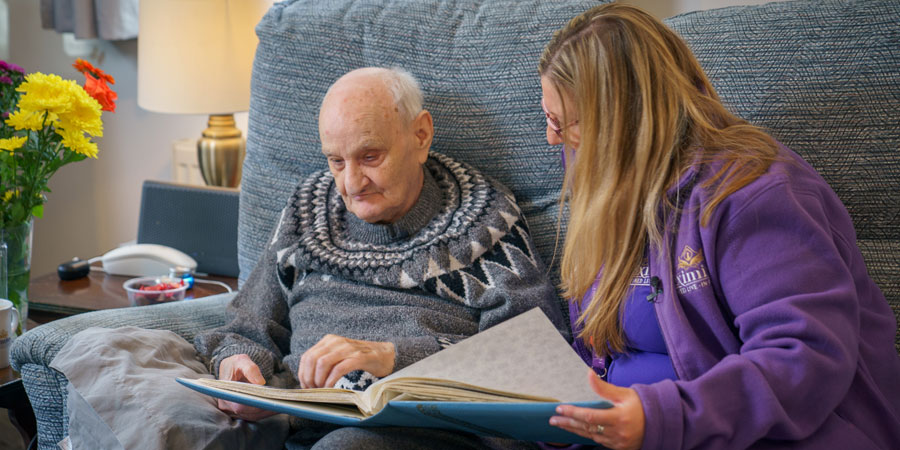
It’s Carers Week from 6th to 12th June 2022 which is the perfect time to celebrate the carers in your life. Or, if you are a carer, to take a moment and appreciate the wonderful job you do every day, paid or unpaid.
Carers play a key role in our society with around 6.5 million carers in the UK today. It can be a very challenging role but also very fulfilling. Immense bonds can be formed and carers affect real, genuine improvements in peoples’ lives. They play a key role in helping people get better or improving and maintaining their quality of life.
So, what makes a good carer? Practical skills required for a carer’s role can be taught but the personality traits that make a wonderful carer can’t. Whether you are interested in a career in care, or you are wondering what qualities to look for when hiring a carer, this post is for you.
Qualities of a good carer
Reliable
Carers must ensure that meals, medication, and appointments are all managed on time so being reliable is key.
Empathetic
Having empathy for the person you’re caring for is so important. They may be having difficulty coming to terms with their situation so having a carer they can connect with is very important.
Respectful
Caring for someone means being in their space, both their home and in their personal space. This may feel very difficult for someone who has been independent their whole life. It’s important to avoid patronising them and be respectful to them.
Patient
With the elderly or unwell, there are many reasons why someone may become angry, frustrated, or irritable. Memory lapses are common too. In these situations, it’s important for a carer to remain calm and patient.
Practical
With a caring roll comes many jobs that require rubber gloves, an apron, and a smile on the face. A good carer can roll up their sleeves and get stuck in with the jobs that need doing – and whistle while they work!
Observant
When caring for someone it’s important the carer can notice changes when they occur, so they can act in a timely manner. In the elderly or the unwell, changes can happen rapidly. These could be physical changes, mental health changes, weight loss, or confusion for example.
Good sense of humour
Elderly people, or people with complex health issues who need a carer can often suffer from low mood, depression, and anxiety. Having a carer who can light up the room goes a long way towards cheering someone up.
Caring
The most important quality! A carer must have a caring personality to care for someone else.
Experienced
It’s always beneficial if a carer has experience but a caring attitude and a willingness to learn are more important. Remember, experience doesn’t have to come from a previous paid carers role. Many of us have had experience caring for others in some capacity in our lives.
Qualified
There are many different care qualifications out there but many roles don’t require specific qualifications. Again, a caring attitude and the desire to learn are the most important.
Qualities of a live-in carer
Live-in care takes a special type of person since they will be moving into the home of their clients for weeks at a time. They must enjoy spending quality time with their clients, having meaningful conversations, and understand the importance of maintaining independence and a sense of self at home for the client. Their role will include all the caring tasks you would expect, along with deep personal interaction such as taking part in hobbies with the clients or taking them on days out and to family events. Being a constant companion to them, someone they can rely on and trust with their life.
Eximius Carers – Work for us
We are always looking for high-quality carers so if you have the qualities listed and a desire for a rewarding career in care, contact us. We take pride in looking after our carers as much as our clients.
How Eximius can help you or your loved-one
If you are considering hiring a carer for yourself or your loved-one, look no further. We would love to hear from you and arrange an informal chat to see how we can help. We can arrange care for you nationwide.

What is Live-In Care?
When people can no longer live alone, either because they are elderly, or have a condition that means they can’t cope on their own, live-in care can enable them to stay safely at home.
Often after spending time together and noticing something feels different. Read our article on this.
Many people don’t realise that there is a viable alternative to a care home or full-time nursing care. If they do know about live-in care, they often imagine it is far more expensive than it is in reality.
Many people would much rather stay at home, surrounded by their own belongings and memories, with friends and family visiting frequently. They would much rather continue to live the life they love, rather than go into a care facility.
If you or a loved one needs support, it’s important you have information about all the options that are open to you. Read on to find out about the different sorts of live-in care, the benefits, and questions people frequently ask when considering this option.
What is live-in care?
If you or a loved one needs support for day-to-day life, live-in care is a safe and cost-effective alternative to residential or nursing care.
Professional carers, or companions, live with their client and look after their personal, medical, and domestic needs. This means they can stay safely in their own home and continue to live their life to the fullest in familiar surroundings.
Types of live-in care
Companions provide support for the elderly, or people who need help with day-to-day life. They provide companionship for their clients, and peace of mind for their families who know their loved ones are safe and cared for.
We also have a team of professional, dedicated, clinically trained carers, who look after people with long-term conditions, or who need support after a life-changing accident.
Some people only need help at night as their families can care for them during the day. In this case a dedicated carer can stay awake at night and will be there if their client needs help and take care of tasks such as turning, or repositioning, toileting, or pain management.
Caring for a relative or friend full time can be exhausting. It’s important to realise that if you’re taking care of someone, while also working or keeping up with other family commitments, you take a break. Sometimes you may need to go away for other reasons, such as to visit friends or family, and this can be difficult if you are responsible for caring for a loved-one full-time.
Live-in respite care can help. We can cover you for a week, or for as long a time as you need. Our carers will work with you to make sure they understand everything about your loved-one’s routine and requirements before you go away, and they’ll stay in touch while you’re away, so you can relax, knowing your loved one is in safe hands.
What are the benefits of live-in care?
Your loved one can remain at home, and continue to live their usual life – safely, and comfortably. For many of the people we care for, the fact they can continue to stay in their own home, surrounded by their belongings and memories, is the most important benefit of live-in care.
It’s also easier for them to continue to live the life they are comfortable with. Family and friends can come and go easily. Your loved one can continue to live with beloved pets, enjoy their pastimes and hobbies, and the freedoms they are used to. They can continue to eat the food they love, enjoy their garden and stay in touch with their local community – without the stress of dealing with domestic chores.
Everybody deserves to live a full and happy life, and most people prefer to stay in their home rather than move to a residential facility. For some people, such as those with dementia, continuing to live in familiar circumstances makes a huge difference to their health as well as their quality of life.
Many of our families tell us that the most important benefit for them is peace of mind. They know their parent or relative is safe, well-cared for, and happy. They also feel involved in their life and care. They get to know the companion or carer well, and can easily monitor the care they receive.
For many people, especially couples, live-in care is also far more cost-efficient than full-time residential care.
Frequently asked questions about live-in care
How much does it cost?
Live-in care does not cost as much as you might think. The cost will vary according to the type of care required, so please contact us for more details. The cost is certainly comparable to a care home and can work out much more cost-effective if we provide care for a couple.
Is it as safe as a care home?
The one-to-one attention (or one-to-two in the case of couples) means the quality of care your loved one receives is unrivalled. Our live-in carers are dedicated, professional, and highly trained. They are there all the time, so can provide an immediate response to medical or other emergencies.
How will I know how well my loved-one is being cared for?
Good live-in care companies also have systems and procedures to make sure the health and safety of their clients are continually monitored. Families can check in with their loved ones at any time and are involved with all decisions about their care. We also use the PASS app, which will keep you always up to date with your loved ones care.
How do you select your carers?
All our carers and companions are fully vetted and trained. They also work directly for us, meaning you don’t have to worry about any employment obligations.
At Eximius, we carefully select a carer or companion who has the experience, training and personality to match the needs of our clients. One huge advantage our clients enjoy, is they get to know their carer or companion well, rather than having to cope with different people coming and going. Their carer or companion becomes an integral part of their life and a close family friend.
About Eximius
Eximius live-in care was founded by Kate in 2016, inspired by her own fiercely independent mother. We aim for our clients to enjoy a full, safe and happy life, and for their families to enjoy peace of mind that their loved ones are well cared for.
If you or a loved-one needs support, please contact us for further information. We’d love to help.

What is respite care?
Although for the majority a family carer’s main concern is to look after their loved one, at Eximius we understand how emotionally and physically demanding this can be. It is important that family carer’s take time out to look after themselves. This is crucial in preventing them becoming exhausted and run down. Respite care provides family carer’s the opportunity to do this.
Eximius can provide outstanding, professional carers for a short period of time. This allows a family carer to take a break and ensures that a client can continue being cared for in the comfort and familiarity of their own home.
In many cases family carers can be hesitate about taking up this type of care as they believe it is a sign of weakness or acknowledgment that they cannot cope. However, Eximius do not see it like this. We see it as an opportunity for family carers to refuel, prevent the breakdown of a relationship and come back being the best carer possible.
Companions at Eximius go above and beyond to ensure a client is satisfied and supported whilst family carers take a break. This ensures that family members can relax, rest, and feel assured during their break knowing their love one is receiving the highest quality care.
Furthermore, respite care can provide a trial run/opportunity for families to try live-in care for the first time. It provides families with further understanding of how live-in care works, whether a client enjoys having a carer in their house and can help emphasis to families the benefits of live-in care for both the client and the family carer.
How our companions can help during respite care
Managing and administering medications
All companions at Eximius are fully trained and qualified in the administration of medication. We ensure that companions understand and aware of client’s medication usage before they go into placement. This helps ensure a smooth and accurate handover. Additionally, companions are required to document the administration of medication on a secure care electronic system. This helps companions monitor intake and let a clients family know that their loved one is being looked after. This can be extremely reassuring. Companions will also ensure that repeat prescriptions are made and will collect medication from the pharmacy. This takes all pressure of the client’s family and helps a family carer relax and rest of their break.
Personal care
Companions are Eximius can help assist clients with personal hygiene. We understand that this can be a sensitive matter and ensure that the client’s dignity is respected whilst helping with personal care. Additionally companions can help with assisted care such as supporting clients with appearance, dressing and grooming.
Help them stay socially active
Our companions can help keep clients stimulated by ensuring they keep in touch with friends, remain active and attend activities they enjoy and love. This is good for a client’s confidence, mental wellbeing and helps ensure they remain connected to the local community. Companions can also escort clients on daytrips to museums, concerts and on holiday. This helps ensure that our clients experience a quality life that they deserve.
Additionally, companion’s at Eximius can play a vital role in ensuring clients carry out exercise and rehabilitation. Activity is the best way to keep a client’s body healthy, improve mental health and to avoid complications. Research has demonstrated the benefits of activity in maintaining health and function as well as recovery. They may need to relearn basic skills, such as walking or talking. Companion’s can ensure that daily rehabilitation takes place whilst family carers take a break.

Help with domestic tasks
Companions at Eximius are required to keep a client’s house clean. All rooms are regularly cleaned and vacuumed ensuring that the upkeep of the house is kept to a high standard. This can be reassuring to a client’s family knowing that there relative is in a safe and tidy environment.
Help care for the client’s much-loved pet
Companions at Eximius will happily support looking after client’s pets by feeding them and taking them on regular walks.
Eating and drinking
At Eximius companions help with the client’s food shopping and cook healthy well-balanced meals. Meal’s choices can be prepared based on the client’s desires and preferences. This ensures that the client regularly eats/drinks and receives essential vitamins. This is important in remaining healthy and keeping their immune systems strong helpful in fighting illness. Each companion is provided with an Eximius recipe book when going into a placement. The recipe book is filled with tasty healthy meals helpful in ensuring clients receive a range of delicious meals.
Companionship
Companions at Eximius can provide excellent emotional support and assistance during a family carers break. Our companions are carefully selected by our recruitment manager, ensuring that all companions employed by the company are of an outstanding care standard. Companions are perfectly matched to a client to ensure they share similar interests and hobbies. This enables a client to continue living an interesting and stimulating life.
Reasons to choose Eximius
Flexibility
As we are a small we able to move quickly and put carers in place for short-term cover. We can always adapt should plans change at short notice.
Companionship
All our carers are cheery and friendly and will make sure your loved one is looked after while you’re away taking a break. You can then return fully rested knowing they’ve been well cared for.
Choosing the correct care is an important decision and our experienced team are here to help every step of the way. Please do not hesitate to contact us, we are more than happy to help.

A spinal cord injury can be life changing for both clients and families. Facing a long-term condition requiring significant specialist rehabilitation and care, typically outside of a family’s expertise and capacity, can be overwhelming.
A cohesive rehabilitation and care programme can help clients return to the highest level of function and independence possible, while improving the overall quality of life – physically, emotionally, and socially. When this is combined with the right live-in clinical care, clients can continue to stay in their own home, and lead fulfilling, active, and independent lives.
What is a spinal cord injury?
Spinal cord injuries are usually caused by trauma; but can also occur as a result of infection or a disease. The spinal cord is made up of nerves that run through the backbone and help control the body’s muscles, enabling a person to move their body, feel pressure and control vital functions such as their breathing, bladder, and bowels. When the spinal cord is damaged, messages travelling from the brain to the rest of the body are disrupted and can result in a loss of sensation and movement from below the point of injury. Each spinal cord injury is unique with individuals suffering varying degrees of sensation and loss of mobility.
Bespoke spinal injury care service
At Eximius, we provide a bespoke spinal cord injury care as part of our Live-in Clinical Care service. We can create an individual care plan tailored to meet the physical, emotional and social needs of you or your loved one. Our nurse-led clinical care team work with other health professionals, such as discharge teams, occupational therapists, neurologists, and specialist consultants to ensure all equipment and person-centred care planning is in place. This can include:
Diet and hydration
- Diet and hydration are closely monitored with support provided for eating and drinking, dependant on what levels of spinal cord injury the individual has sustained.
- If a client has difficulty swallowing (dysphagia), fluids and solids can be modified accordingly.
- Our team is trained in PEG tube or nasogastric feeding.
Continence care
- The input and output of catheter day bags and night bags, alongside the colour of urine, are observed for expected activity and any visible signs of infection.
- Catheter tubing is regularly examined to check there are no kinks or bends or catheter bypassing.
- A spinal cord injury can disrupt communication between the brain and the nerves in the spinal cord that control bowel function. Bowel dysfunction is known as neurogenic bowel. Treatment options that can help improve control for bowel movements include diet, fluid intake, medication, and nerve stimulation.
Manual handling
- Due to the nature of spinal cord injuries, any necessary manual handling of the client is supported by specialist equipment including ceiling track hoists, shower chairs, hospital beds, powered wheelchairs, and splints.
- Massage and physio can be beneficial to both the physical and mental health of those with spinal cord injuries and can improve circulation, muscle tone, skin elasticity, and relieve pain.
Skin integrity
- By ensuring clients are repositioned throughout the day, any pressure related areas can be relieved and monitored. We can liaise with the district nurse over any areas of concerns.
Why use Eximius?
At Eximius Care, bespoke spinal cord injury care is part of our Live-in Clinical Care service, and sits alongside our other services – Live-in Day Care, Live-in Respite Care and Live-in Night Care.
Our team is an extraordinary group of clinical care specialists who are trained to the highest level, and provide a professional, compassionate, and person-centred care service. As well as internal nurse led training, we utilise the Spinal Injury Association (SIA) and the British Association of Brain Injury and Complex Case Management (BABICM) for additional specific training.
Remaining in a home that is known and loved, surrounded by families and belongings, and living as normal a life and routine as possible can make an overwhelming difference to the quality of life for those with a spinal cord injury and their families.
If you or a loved-one would like to understand more about our bespoke spinal cord injury care or any of our services, please get in contact, we’d love to help.

Are you considering live-in care? Maybe for yourself or a loved one? If you’re at the early stages of considering live-in care, this blog post is for you.
Here we will discuss what live-in care is and answer some of the most common questions we hear related to live-in care.
What is live-in care?
When people can no longer live alone, either because they are elderly or have a condition that means they can’t cope on their own, live-in care can enable them to stay safely at home. Live-in care provides support for day-to-day life and is a safe and cost-effective alternative to residential or nursing care.
What is expected of a live-in carer?
Live-in carers provide dedicated support to a person whilst maintaining dignity and independence. Although the role of the carer or companion is tailored to the client’s individual needs, there are essential responsibilities that most carers will be required to do at some point.
These include:
- Personal care – such as dressing, bathing, bathroom assistance
- Cooking meals
- Cleaning and laundry
- Handling medication
- Shopping and other errands
- Mobility assistance
- Supporting with public outings, appointments and social activities
A live-in carer becomes an essential part of someone’s life, providing friendship and companionship in addition to the physical care provided.
Do live-in carers do housework?
Live-in carers will support their clients with all the housework tasks necessary to run a home. Cleaning, tidying, laundry, ironing and cooking are all part of the role of the carer if that is what the client needs assistance with.
How many hours a day should a live-in carer work?
Live-in carers often work around 8-10 hours a day. There is usually a rest period of 2 or 3 hours during the day which is arranged at a time when someone else (maybe a friend or family member) is available to stay with the client. If night care is also needed, another carer will be assigned to allow the live-in day companion to rest.
Do live-in carers need their own bedroom?
Yes, a live-in carer needs their own bedroom. It needs to be adequately heated and ventilated with space to unpack and store clothes and belongings. A spare bedroom isn’t always available so converting another room in the house may be needed. The care provider company will likely come to assess the carers living arrangements first.
Do live-in carers need their own bathroom?
No, a private bathroom is preferable but by no means necessary. The bathroom must be clean and functioning with a place for the carer to store toiletries.
Do live-in carers buy their own food?
There are no rules in place stipulating how a food allowance is provided. Whether a food allowance will be provided or not, and how much, is dependent on three factors:
- The live-in care company
- The carers requirements
- The client package
Very often a carer will cook and eat meals with the clients so buying a lot of food separately is not usually necessary. Again this will depend on the individual needs of the client and the care package that is in place.
Sitting down to a scrumptious home-cooked meal is one of life’s essential pleasures. In essence of this Eximius has produced its very own recipe book provided to all clients and carers. Guiding our companions to share suitable nutritious recipes, cooking tips and techniques, to master all of those satisfying staples.
Providing caring, experienced, professional and friendly live-in companions is our speciality here at Eximius. If you’d like to chat about how we can help we’d love you to get in touch.