
A family contacted Eximius seeking guidance and cost information for their father, who had sustained a spinal cord injury following surgical complications. At the time, the family were personally supporting him at home, managing his care needs, including night-time repositioning due to a Grade 3 pressure sore acquired in hospital. They were exploring future options and wanted to ensure they had a trusted provider with a person-centred approach in place for when they felt it was the right time to introduce professional, managed, live-in care.
To provide clarity and reassurance, a face-to-face preregistration assessment was arranged. This allowed for a detailed understanding of the client’s needs, family preferences, and care priorities, while also giving the family the opportunity to ask questions and build confidence in the Eximius approach.
Over the following six months, Eximius maintained close contact with the family, working collaboratively to design a person-centred, clinically informed care plan that could be implemented when they were ready.
During this preregistration period, we:
- Supported the family with planning and guidance while they continued providing hands-on care.
- Identified and trained a small, consistent team of live-in carers to match the client’s preferences and routine.
- Worked alongside the family and clinical leads to develop a specialist care plan, focusing on pressure care and bowel management.
- Explored potential funding options, ensuring the family were informed and prepared for the transition.
When the family decided to move forward, the preparation carried out during preregistration enabled a smooth, confident transition into managed complex live-in care.
Outcomes
Since starting with Eximius, the client’s pressure sore has fully healed, as confirmed by clinical and district nursing teams. He now sits comfortably for extended periods, enjoys meals in his reclining chair, and has been able to resume family outings after more than a year. The improved bowel management routine has reduced the need for medication and improved his overall comfort and well-being.
The preregistration process played a vital role in these outcomes—allowing the family to prepare at their own pace, ensuring care was introduced only when they were ready, and establishing trust, continuity, and clinical success from the outset.
What our client says:
We had been having difficulty with deciding on care for our dad who had become paraplegic. Eximius seemed like a lovely group that seemed to work well as an organisation, but also responsive and attentive and clearly have knowledge about spinal cord injuries. They had good continuity of contact and guided us through each step. I’m sure we would have been demanding as clients as most people would be when it comes to getting the best care for their family members, but Eximius were patient and empathetic and we always felt supported.
They found us great carers of good quality and competence, and we are in the process of trialling out our new carers. I would recommend them!
If you’d like to learn more about spinal cord injuries, recovery, and support options, we recommend visiting the NHS spinal injury guide and the Spinal Injuries Association. Both offer practical advice and trusted information for individuals and families adjusting to life after spinal injury.
If you’d like to talk through live-in care options for someone recovering from a spinal injury, our team is here to listen and help you plan at your own pace.
Frequently Asked Questions:
What does pre-registering for care mean?
It means starting the care planning process early so that a trusted care team, assessment, and plan are ready when needed.
When should families pre-register for live-in care?
Ideally before a health crisis — when you can make calm, informed decisions without pressure.
Does it cost anything to pre-register with Eximius Support?
No, pre-registration is free and gives families time to explore options before committing.
Can a pre-registered care plan be changed later?
Yes. Your plan can evolve with your loved one’s needs, ensuring consistent and flexible support.
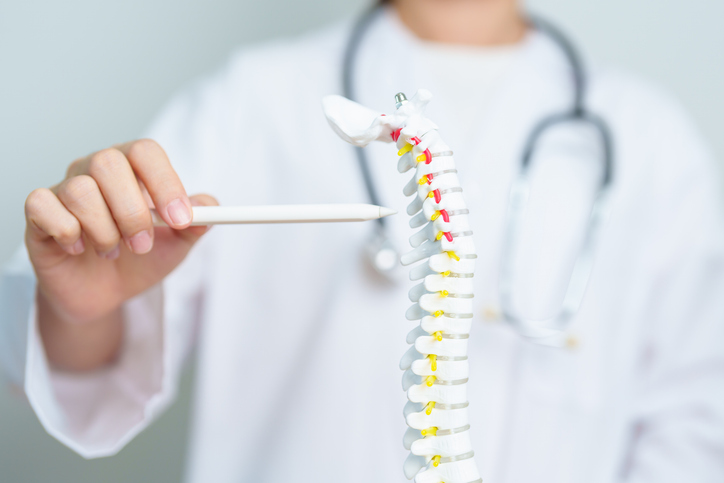
Spinal cord injuries (SCI) have a dramatic effect on a person’s life. A spinal injury can affect movement, daily activities, and ultimately, independence. Spinal injuries can be either complete or incomplete, and knowing the difference is important so patients, families, and carers understand what to expect and how to plan for care. At Eximius Support, we provide care with kindness and understanding. This guide explains complete vs. incomplete spinal injuries, their causes, symptoms, treatment options, and ways to improve daily life.
Spinal Cord Injuries: Complete vs. Incomplete
The spinal cord sends messages between the brain and the body. But when it’s damaged, movement and feeling can be affected. There are two types of spinal cord injuries:
Complete Spinal Cord Injury: No movement or feeling below the injury.
Incomplete Spinal Cord Injury: Some movement or feeling remains below the injury.
Complete Spinal Cord Injuries
A complete spinal cord injury stops all signals from passing through the injury site. A complete injury means no movement or sensation in the affected areas. This type of injury is much more serious, so people with this type of injury require significant adjustments and support in daily life.
Causes of complete spinal cord injury:
Complete spinal cord injuries usually result from a traumatic accident but can also be caused by medical conditions. Some of the most common causes include:
- Car accidents, falls, or sports injuries.
- Severe pressure on the spinal cord from fractures or dislocations.
- Gunshot or stab wounds.
- Medical conditions like tumours or infections that cause total damage.
Effects and Symptoms:
The effects of a complete spinal cord injury depend on the level of the injury but typically result in total loss of function below the injury site. Common symptoms include:
- Complete paralysis (quadriplegia or paraplegia, depending on injury location).
- No sensation below the injury.
- Loss of bladder and bowel control.
- Breathing problems if the injury is high up on the spine.
- Risk of pressure sores and muscle weakness.
Treatment and Care:
Complete spinal cord injuries can’t be reversed, so treatment focuses on preventing complications and improving the quality of the patient’s life. Treatment options include:
- Emergency medical care to prevent further damage.
- Physical therapy to help with daily life.
- Wheelchairs, voice-activated technology, and other assistive devices.
- Medications to manage pain and muscle stiffness.
- Personal care and daily support from trained carers.
Incomplete Spinal Cord Injuries
People with an incomplete spinal cord injury still have some movement or feeling below the injury site. The amount of function depends on how much damage has occurred. Recovery potential is generally higher compared to complete injuries.
Types of Incomplete SCI:
There are several types of incomplete spinal cord injuries, each with unique effects on movement and sensation:
Anterior Cord Syndrome: Affects movement but keeps some sensation.
Central Cord Syndrome: Affects arm movement more than legs.
Brown-Séquard Syndrome: Causes weakness on one side and loss of sensation on the other.
Posterior Cord Syndrome: Affects coordination but keeps movement and pain sensation.
Cauda Equina Syndrome: Affects the lower spine, causing problems with bladder, bowel, and leg function.
Causes of incomplete spinal cord injury:
Incomplete spinal cord injuries can result from various medical conditions or trauma. Common causes include:
- Falls and accidents.
- Spinal cord pressure from herniated discs or arthritis.
- Infections, strokes, or tumours.
- Surgery complications or inflammation.
Effects and Symptoms:
Symptoms of an incomplete spinal cord injury vary greatly depending on the type and severity of the injury. Symptoms might include:
- Some weakness or paralysis.
- Partial loss of feeling.
- Muscle stiffness or uncontrolled movements.
- Nerve pain or discomfort.
Treatment and Care:
The good news is that recovery from an incomplete spinal cord injury is possible with proper medical care and rehabilitation. Treatment options include:
- Physical therapy to improve movement.
- Walkers, braces, and other mobility aids.
- Medication, massage, and other pain treatments.
- Electrical stimulation to help muscles work.
- Emotional support to help with mental health.
Living with a Spinal Cord Injury
Adjusting to life after an injury takes lots of time and support. Doctors and carers will develop personalised care plans to help patients maintain as much independence as possible. This is so important for overall well-being and a fulfilling and independent life.
Helpful Strategies:
There are several ways to improve quality of life after a spinal cord injury. Some of the most effective strategies include:
- Personalised Care Plans: Tailored to meet specific needs.
- Home Adjustments: Adding ramps, grab bars, and accessible furniture.
- Assistive Technology: Using wheelchairs, speech recognition software, and robotic limbs.
- Emotional Support: Talking to support groups, therapists, or loved ones.
How Eximius Support Can Help
At Eximius Support, we provide expert live-in care to help people with spinal injuries live with dignity and independence. Our carers and companions provide personalised support and care based on individual needs. We offer a wide range of services to ensure comfort and well-being, including:
If you or a loved one needs professional and compassionate care, Eximius Support is here to help. Contact us today to learn more about our live-in care services.
Further reading:
How Spinal Injuries Can Affect People and Their Families
Spinal Cord Injury And Mental Health
Supporting Our Clients With a Spinal Injury
Daily Mobility Challenges with a Spinal Injury

Live-in care is a lifeline for people with complex needs, allowing them to maintain independence and quality of life in the comfort of their homes. Here, we’ll explore how personalised care plans, the unique relationship between carers and care recipients, and the support provided to families contribute to independence for those with complex care needs.
Personalised Care Plans
Personalised care plans are at the heart of live-in care, ensuring that people with complex needs receive tailored support that meets their specific requirements and preferences. These care plans consider factors such as medical conditions, mobility limitations, dietary needs, and personal routines. For example, a person with dementia may benefit from a care plan that includes memory-stimulating activities. At the same time, someone with limited mobility may require assistance with daily tasks such as bathing and dressing. By customising care plans to address individual needs, live-in carers empower those they care for to live comfortably and independently at home.
Relationship Between Carers and Care Recipients
The relationship between live-in carers and the people they care for goes beyond just the provision of physical care; it is built on trust, empathy, and companionship. Carers often become trusted companions, offering emotional support, friendship, and encouragement. This unique bond gives a sense of security and well-being which enables individuals to feel valued and respected. For many individuals with complex needs, the presence of a supportive live-in carer can make all the difference in their ability to navigate daily life with confidence and dignity.
Promoting Independence and Quality of Life
Live-in care plays an important role in promoting independence and enhancing the quality of life for people with complex needs. By assisting with activities of daily living, medication management, and household tasks, live-in carers empower a person to remain active participants in their own life. In addition, live-in carers offer companionship and emotional support, helping those in their care to maintain social connections and engage in meaningful activities. As a result, they experience greater freedom, autonomy, and overall well-being than those in institutional settings.
Support for Families
In addition to supporting people at home, live-in care provides much-needed support for the families of the people they care for. Caregiving can be physically and emotionally demanding, and families often face challenges in balancing their caregiving responsibilities with other aspects of their lives. Live-in carers offer respite to family caregivers, allowing them to take breaks, attend to their needs, and maintain balance and well-being.
Overcoming Challenges
While live-in care offers numerous benefits, it also presents challenges that must be addressed. Over time, people may experience changes in their health and care needs, requiring adjustments to their care plans. Additionally, families may encounter logistical challenges, financial concerns, or communication issues with live-in carers. However, with open communication, flexibility, and collaboration, these challenges can be overcome.
For those with complex needs, independence is made possible through the dedication and commitment of live-in carers, who provide personalised support, companionship, and encouragement. By developing meaningful relationships, promoting autonomy, and offering support to families, live-in care is vital in empowering those with complex needs to live fulfilling and dignified lives at home.
Eximius Support provides dedicated and compassionate live-in care. If you want to learn more for yourself or a loved one, please get in touch.
Further Reading:
Holistic live-in care for people with brain injuries
How Live-In Night Care can provide peace of mind and support when you need it most
How live-in clinical care can enable those with complex needs to remain at home