
Noticing sudden changes in a loved one can be frightening. Maybe you notice they are suddenly struggling to speak, their face looks uneven, or they suddenly can’t lift their arm. These can all be signs of a stroke. We aren’t exaggerating when we say that acting quickly can save lives and reduce long-term damage.
We know how overwhelming it can feel to see someone experience sudden changes. That’s why understanding the FAST method, a simple way to remember the classic stroke warning signs, is so valuable.
What Is a Stroke?
A stroke happens when blood flow to the brain is reduced or blocked. This is usually due to either a blocked blood vessel or bleeding in the brain. Like all organs and tissues, when the brain doesn’t get the oxygen and nutrients it needs, cells begin to die. This is why movement, speech and other functions are affected.
Time is crucial. Without doubt, the faster the person receives medical attention, the better their chances of recovery. Understanding the war inside and responding quickly is the best way to protect your loved one’s health.
Why Early Recognition Matters
A delay in recognising a stroke can lead to serious complications, including long-term disability or difficulty with daily activities. Families often tell us that knowing what to look for allowed them to keep a sense of calm in the panic of the moment because when you know the signs, you can act confidently and quickly.
Recognising the warning signs early can be life-saving. The first step is to call 999 immediately. It can be the difference between life and death.
The FAST Method
The FAST acronym was designed as an easy way to remember the main signs of a stroke. Here’s how it works:
F – Face: Ask the person to smile. Does one side of their face droop? Uneven facial expressions are often an early indicator.
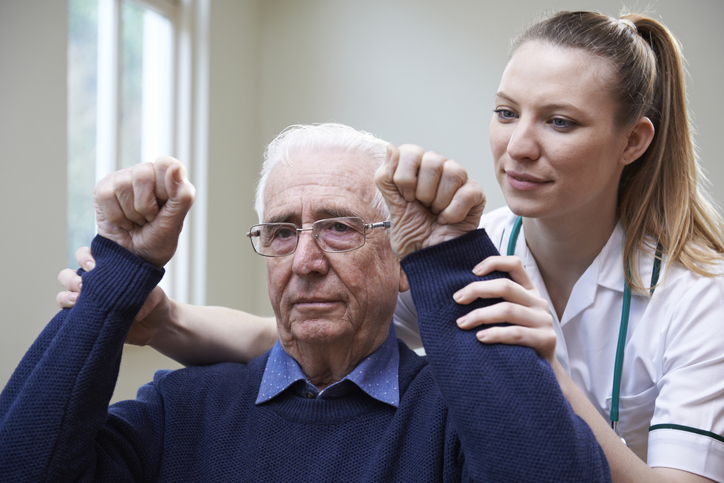
A – Arms: Ask them to lift both arms. Is one arm weaker or unable to move as well? Arm weakness or numbness is a key warning sign.
S – Speech: Check if their speech is clear. Slurred or unusual speech, or difficulty repeating a simple sentence, is another sign to take action.
T – Time: If you notice any of these signs, call 999 immediately. Every minute counts. While waiting for help, stay with your loved one, reassure them and keep them comfortable.
Other Warning Signs to Watch For
Not all strokes follow the FAST pattern. Other signs to be aware of include:
- Sudden numbness or weakness in the leg or other body parts.
- Vision changes in one or both eyes.
- Severe headache.
- Dizziness, loss of balance, or coordination.
Even if symptoms are mild or short-lived, don’t ignore them. It’s always better to seek professional help.
Supporting Someone After a Stroke
Recovery after a stroke can be challenging. People often need help with the daily tasks that we take for granted, such as getting dressed, preparing meals or moving safely around the home. Emotional support is just as important. Feeling safe and understood is essential to encourage confidence and can make a real difference to recovery and quality of life in the future.
Finding the right support at this time is crucial. At Eximius Support, our trained carers and companions are on hand to provide practical help and care tailored to each individual person’s needs. We help with personal care, mobility, meal preparation and companionship allowing stroke survivors to remain at home while getting all the support they need.
Key Takeaways
Recognising a stroke fast can not only save lives but also reduce long-term implications. FAST is a simple practical tool: watch the face, check the arms, listen to the speech, and act on time.
Trust your gut. If something seems wrong, call 999 immediately, and remember support doesn’t end at the hospital. Daily care, reassurance, and companionship make a real difference during recovery.
If you’re caring for a loved one anywhere in England or Wales, we can help. We provide personalised home care to help them stay safe, supported, and independent after a stroke. Contact us here to learn more about how we can help.
Further Reading
Supporting our clients after a stroke
Experiencing a stroke is not just a physical ordeal; it can significantly impact speech and communication abilities. However, there are some practical strategies to support individuals in reclaiming their communication skills post-stroke. Let’s take a look from understanding the challenges to embracing innovative technologies and holistic approaches.
Understanding the Challenges
When a stroke occurs, it can cause an interruption in the intricate network of the brain’s communication centres. These centres are responsible for processing language and facilitating speech. Imagine navigating through a dense fog where every word feels like a distant echo, just out of reach. That’s the reality for many stroke survivors as they struggle to find the right words, articulate their thoughts clearly, and comprehend the language swirling around their heads. Family members and carers must gain insight into the daily struggles faced by their loved ones so they can better help and support them.
Technology Aids for Stroke Survivors:
Technology is a valuable tool in communication recovery. Speech-generating apps, communication boards, and other devices help stroke survivors express themselves. These tools can help make communication easier and encourage independence. Here are some examples of communication technology aids:
Speech-generating Apps
Speech-generating apps are a game-changer for stroke survivors with communication difficulties. These apps allow users to type or select pre-programmed phrases, which are then converted into audible speech. With customisable options and a user-friendly interface, individuals can express themselves more easily and clearly.
Communication Boards
Communication boards are aids that provide visual support for communication. These boards feature a grid of images, symbols, or words representing common phrases and concepts. Stroke survivors can point to the relevant symbols to convey their thoughts, facilitating communication when verbal expression is challenging.
Augmentative and Alternative Communication (AAC) Devices
AAC devices encompass a range of tools designed to enhance communication for individuals with speech impairments. These devices may include specialised tablets, speech-generating devices, or even eye-tracking systems. With cutting-edge technology, AAC devices help stroke survivors to communicate effectively.
Voice Recognition Software
Voice recognition software enables stroke survivors to dictate messages, emails, or documents using their voice. Advanced algorithms accurately transcribe spoken words into text, eliminating the need for manual typing. This technology offers a lifeline for people with limited dexterity or mobility post-stroke.
Speech Therapy Exercises
Speech therapy is physical therapy for the muscles involved in speech production. Individuals use exercises tailored to strengthen communication skills when working with a speech therapist. These exercises range from articulation drills to language comprehension activities, gradually restoring confidence and fluency. Consistent practice, along with lots of encouragement, often shows good progress.
Further Strategies and Support
Along with conventional approaches, a holistic approach to communication recovery encompasses various avenues of support. Joining support groups provides camaraderie and insights from other people experiencing similar challenges. Exploring new hobbies and interests can promote cognitive stimulation and social engagement, which helps with overall well-being. Some individuals may benefit from professional counselling to help address the emotional adjustments following a stroke, building resilience and coping strategies.
Integrating Mindfulness Practices
Mindfulness practices offer additional benefits in communication rehabilitation. Deep breathing, guided imagery, and progressive muscle relaxation can alleviate stress and enhance focus. Incorporating mindfulness into daily routines encourages a calm and centred mindset and promotes peace, empowerment and acceptance.
Eximius can help
Eximius offers live-in support to stroke survivors who need extra help with daily activities to allow them to live a whole and fulfilling life. We ensure a tailor-made support package to get precisely the support you need. Contact us here for more information.
You may also be interested in:
Relaxation Activities For Stroke Survivors
The Importance Of Physical Activity After A Stroke
Communication Problems Following A Stroke