
A family contacted Eximius seeking guidance and cost information for their father, who had sustained a spinal cord injury following surgical complications. At the time, the family were personally supporting him at home, managing his care needs, including night-time repositioning due to a Grade 3 pressure sore acquired in hospital. They were exploring future options and wanted to ensure they had a trusted provider with a person-centred approach in place for when they felt it was the right time to introduce professional, managed, live-in care.
To provide clarity and reassurance, a face-to-face preregistration assessment was arranged. This allowed for a detailed understanding of the client’s needs, family preferences, and care priorities, while also giving the family the opportunity to ask questions and build confidence in the Eximius approach.
Over the following six months, Eximius maintained close contact with the family, working collaboratively to design a person-centred, clinically informed care plan that could be implemented when they were ready.
During this preregistration period, we:
- Supported the family with planning and guidance while they continued providing hands-on care.
- Identified and trained a small, consistent team of live-in carers to match the client’s preferences and routine.
- Worked alongside the family and clinical leads to develop a specialist care plan, focusing on pressure care and bowel management.
- Explored potential funding options, ensuring the family were informed and prepared for the transition.
When the family decided to move forward, the preparation carried out during preregistration enabled a smooth, confident transition into managed complex live-in care.
Outcomes
Since starting with Eximius, the client’s pressure sore has fully healed, as confirmed by clinical and district nursing teams. He now sits comfortably for extended periods, enjoys meals in his reclining chair, and has been able to resume family outings after more than a year. The improved bowel management routine has reduced the need for medication and improved his overall comfort and well-being.
The preregistration process played a vital role in these outcomes—allowing the family to prepare at their own pace, ensuring care was introduced only when they were ready, and establishing trust, continuity, and clinical success from the outset.
What our client says:
We had been having difficulty with deciding on care for our dad who had become paraplegic. Eximius seemed like a lovely group that seemed to work well as an organisation, but also responsive and attentive and clearly have knowledge about spinal cord injuries. They had good continuity of contact and guided us through each step. I’m sure we would have been demanding as clients as most people would be when it comes to getting the best care for their family members, but Eximius were patient and empathetic and we always felt supported.
They found us great carers of good quality and competence, and we are in the process of trialling out our new carers. I would recommend them!
If you’d like to learn more about spinal cord injuries, recovery, and support options, we recommend visiting the NHS spinal injury guide and the Spinal Injuries Association. Both offer practical advice and trusted information for individuals and families adjusting to life after spinal injury.
If you’d like to talk through live-in care options for someone recovering from a spinal injury, our team is here to listen and help you plan at your own pace.
Frequently Asked Questions:
What does pre-registering for care mean?
It means starting the care planning process early so that a trusted care team, assessment, and plan are ready when needed.
When should families pre-register for live-in care?
Ideally before a health crisis — when you can make calm, informed decisions without pressure.
Does it cost anything to pre-register with Eximius Support?
No, pre-registration is free and gives families time to explore options before committing.
Can a pre-registered care plan be changed later?
Yes. Your plan can evolve with your loved one’s needs, ensuring consistent and flexible support.
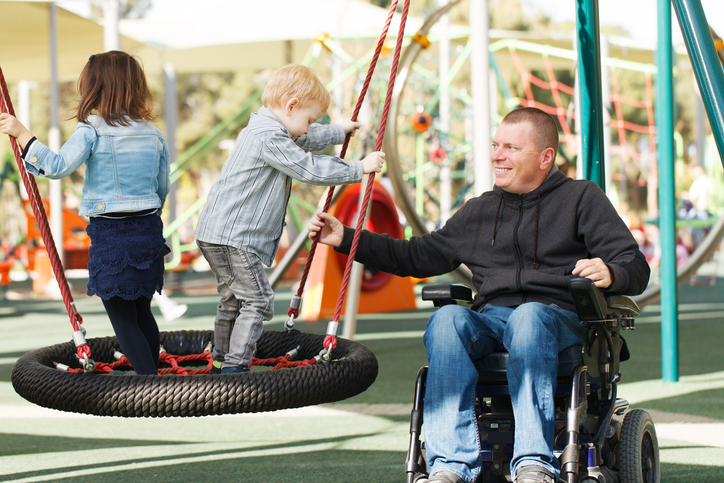
Living with a spinal injury presents numerous challenges, both physical and emotional. These challenges can be overwhelming, but there is hope. The power of social and recreational activities should not be underestimated in the lives of spinal injured people. These activities not only contribute to physical well-being but also play a significant role in emotional and mental health. Among the support systems aiding in this journey are Eximius carers, who specialise in providing individualised care and assistance to those with spinal injuries.
Adaptive Sports for People with Spinal Injury
Adaptive sports have emerged as a remarkable avenue for people with spinal injury to regain a sense of physical and emotional normalcy. These sports are specially designed to accommodate individuals with mobility limitations, ensuring they can enjoy the thrill of competition and camaraderie. Wheelchair basketball, hand cycling, and wheelchair rugby are just a few examples of adaptive sports that have gained popularity. The benefits of adaptive sports extend beyond physical activity; they can bring about a sense of belonging, improve self-esteem, and enhance overall well-being. There are many success stories showcasing the remarkable achievements of people with spinal injuries who have found new purpose and joy through these sports.
Hobbies and Creative Pursuits
Engaging in hobbies and creative pursuits is another avenue for people with spinal injury to explore their passions and find solace. Activities like painting and art therapy, music therapy, and writing or journaling provide a creative outlet for self-expression. These hobbies not only offer an emotional release but also help individuals tap into their inner talents. For instance, art therapy can be a medium to express thoughts and emotions that are often challenging to articulate verbally. Creative hobbies are therapeutic and empowering, providing a renewed sense of purpose and accomplishment.
Social Activities and Support Groups
Social activities and support groups are essential in promoting mental well-being and offering a sense of community to those with a spinal injury. Group outings and events, both in-person and online, provide opportunities for social interaction, reducing feelings of isolation. Online communities and forums enable individuals to connect with peers, share experiences, and seek advice. Many rehabilitation centres offer social programmes, which include various group activities tailored to the interests of their attendees. Testimonials from spinal injured people are testament to the transformative power of such social interaction and support groups in their lives.
Eximius Carers’ Role in Facilitating Activities
Eximius carers and companions play a crucial role in supporting and facilitating the engagement of spinal injured people in social and recreational activities. Our professionals are trained to address the unique needs and challenges of each client. Eximius carers assist with transportation to sports events, hobby classes, and other activities, ensuring that logistical obstacles do not hinder participation.
Equally important is the emotional support and companionship they offer. People with spinal injuries often experience a sense of loneliness and frustration. Eximius carers act as both motivators and companions, providing encouragement, empathy, and a listening ear. They understand the importance of individualised care and emotional support, creating a safe and nurturing environment for their clients.
Social and recreational activities not only contribute to physical well-being but also play a crucial role in emotional and mental health. With the support of organisations like Eximius Support, people can access personalised care and assistance that enables them to engage in adaptive sports, explore hobbies, participate in social activities, and benefit from support groups.
If you or a loved one is on a spinal injury recovery journey, don’t hesitate to reach out to Eximius. Our team is here to provide the support you need. Contact us today to learn more about how we can assist you on your path to recovery and well-being. Your health and happiness are our top priorities.
You may also be interested in the following:
Spinal Cord Injury And Mental Health
How Spinal Injuries Can Affect People and Their Families
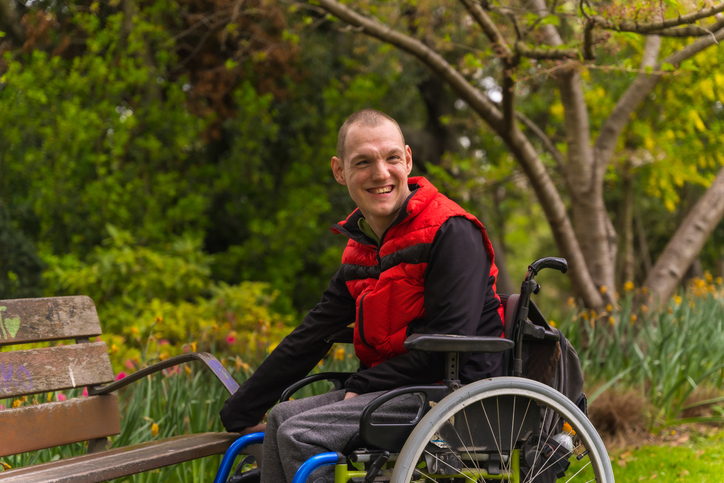
Caring for a loved one with a spinal cord injury can be both a rewarding and challenging experience. The responsibilities of caring can take a physical and emotional toll on family members, making it crucial to find effective ways to provide care and support. At Eximius Support, we understand the unique needs of people with a spinal injury, and we’re here to offer guidance and respite care to ensure that both the spinal injured person and their family receive the support they need.
Understanding Spinal Injury
Spinal cord injuries can lead to a wide range of physical and emotional challenges for people. The severity of the injury can vary, but in many cases, individuals with a spinal cord injury require assistance with daily activities such as bathing, dressing, and mobility. Understanding the specific needs and challenges is the first step to effective caregiving.
Additionally, it’s essential to recognise the emotional impact of a spinal cord injury. People often experience feelings of frustration, sadness, and even depression. Family carers must provide not only physical support but also emotional support and encouragement to help their loved ones navigate these difficult emotions.
Tips for Effective Caregiving
Create a Safe and Accessible Home Environment: Ensure the home is safe and accessible for the patient. This might involve installing ramps, grab bars, and other modifications to make daily life easier. An accessible home environment can significantly enhance independence.
Assist with Daily Activities: Helping with activities of daily living is a significant part of caring. Be patient, communicate clearly, and assist with tasks like getting in and out of bed, bathing, and dressing. These tasks can be physically demanding, so it’s essential to ensure that you’re using proper body mechanics to avoid injury.
Effective Communication: Clear and open communication is vital. Encourage the patient to express their needs and concerns and actively listen to them. Understanding their preferences and any changes in their condition is essential for providing the best care.
Be Patient: People with a spinal injury may require extra time to complete tasks or to communicate. Patience is a virtue in caregiving, and it helps reduce stress for both the caregiver and the patient.
Respect Privacy and Dignity: While providing care, respect the patient’s privacy and dignity. Encourage independence as much as possible and allow the patient to make choices about their care when appropriate.
Emotional Support for People and Caregivers
A spinal cord injury affects not only the person but also their families. The emotional impact can be profound. Providing emotional support is crucial for both the patient and the caregiver. Here are some strategies to offer emotional support:
Active Listening: Allow the patient to express their feelings and concerns. Active listening can provide a sense of relief and connection.
Encouragement: Offer words of encouragement and motivation. Celebrate small achievements and milestones in the recovery journey.
Support Groups: Consider joining support groups for people with spinal injuries and carers. These groups offer a space to share experiences and gather advice from others in similar situations.
Professional Help: Don’t hesitate to seek the guidance of a therapist or counsellor if you or your loved one is struggling with emotional issues. Professional help can provide effective coping strategies and improve emotional well-being.
Self-Care for Family Caregivers
Caring for a loved one can be demanding, and it’s easy to neglect your own well-being. However, it’s crucial to remember that effective caregiving begins with self-care. Here are some self-care strategies:
Set Boundaries: Establish clear boundaries to prevent burnout. It’s okay to ask for help from friends, family, or professional caregivers.
Take Breaks: Respite care can provide much-needed breaks for family caregivers. This allows you to recharge and attend to your own needs without compromising the care you provide.
Maintain a Support System: Lean on your support system, whether it’s friends, family, or support groups. They can offer emotional support and practical assistance.
Stay Informed: Educate yourself about spinal cord injuries, caregiving techniques, and available resources. Knowledge is empowering and can help you provide better care.
The Role of Eximius Respite Care
At Eximius Support, we understand the challenges faced when caring for a loved one with a spinal injury. To alleviate the burden and provide carers with a much-needed break, we offer respite care services. These services allow carers to take a break, rest, and attend to their own needs while ensuring that their loved ones continue to receive quality care.
Eximius respite care is delivered by experienced and compassionate professionals who are trained to meet the specific needs of spinal injured people. Whether you need a short break to rest, run errands, or simply recharge, our respite care services are tailored to provide peace of mind.
If you’re a family carer for a spinal injury patient or want to learn more about respite care, don’t hesitate to reach out to us here. Contact us today to learn more about our respite care services and other support options. Your well-being matters, and we’re here to help.
You may also be interested in the following:
Nutrition and Diet for Spinal Injury Recovery
Spinal Cord Injury And Mental Health
Lumbar Spinal Cord Damage: What You Should Know
How Spinal Injuries Can Affect People and Their Families
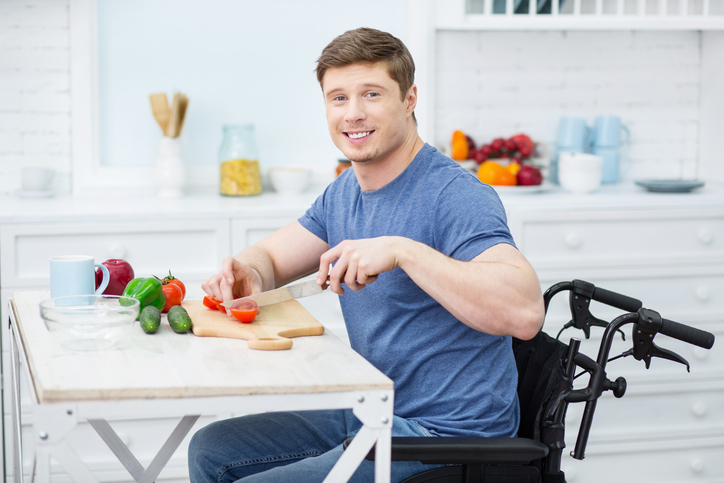
Spinal injuries can be life-altering, affecting not only a person’s physical well-being but also their emotional and psychological health. These injuries come with unique challenges, and one critical aspect of the recovery process is nutrition and diet. A balanced diet is pivotal in promoting healing and overall health for spinal injured people. At Eximius, we understand the significance of this and have developed recipe books to provide balanced meals for our clients as part of our commitment to holistic care.
The Role of Nutrition in Spinal Injury Recovery
The human body is an intricate system where every component works together to promote healing and well-being. Nutrition is no exception. When it comes to spinal injury recovery, the proper nutrients are essential to support the healing process. A balanced diet can help reduce inflammation, enhance tissue repair, and boost the immune system – all crucial for people with spinal injuries.
Moreover, spinal injured people often face challenges related to muscle atrophy, bone density loss, pressure ulcers, weight gain, and bowel movements. Proper nutrition can help mitigate these issues. By providing the body with the necessary nutrients, you can improve muscle strength, promote bone health, and reduce the risk of complications. It can also play a crucial role in managing body weight and ensuring regular and comfortable bowel movements.
Challenges Faced by People with a Spinal Injury
Spinal injured people face a unique set of challenges. Not only do they have to adapt to a new way of life, but they also often struggle with limitations in mobility. These challenges can impact their dietary choices. Some of the common difficulties include:
Limited Mobility: Many people with a spinal injury have limited mobility, making it challenging to shop for groceries, prepare meals, or even eat independently. This can result in poor food choices and inadequate nutrition.
Muscle Atrophy: Immobility can lead to muscle atrophy, which, in turn, affects the body’s ability to metabolise nutrients effectively. It becomes a cycle that can be challenging to break without the proper dietary support.
Emotional Impact: Coping with a spinal injury can lead to emotional stress and, in some cases, depression. Emotional factors can affect appetite, leading to inadequate food intake.
The Importance of Balanced Meals
A balanced diet for people with a spinal injury typically includes a variety of foods that provide essential nutrients and vitamins. These nutrients are vital for promoting healing and overall health. Here are some of the key components of a balanced diet for spinal injury recovery:
Protein: Protein is crucial for tissue repair and muscle growth. It helps prevent muscle atrophy and supports the healing of damaged tissues.
Vitamins and Minerals: A variety of vitamins and minerals, such as vitamin C, vitamin D, calcium, and zinc, are essential for bone health and immune function.
Fibre: A diet high in fibre can help prevent constipation, a common issue for spinal injured people due to reduced mobility.
Omega-3 Fatty Acids: These healthy fats have anti-inflammatory properties and can aid in reducing inflammation and pain.
Our carers and companions offer a range of recipes that incorporate these components, ensuring that clients receive the nutrition they need to support their recovery journey. We provide delicious and nutritious meal plans that cater to individual preferences and dietary restrictions.
Eximius Live-In Carers: A Supportive Solution
At Eximius, we understand the unique challenges faced by people with a spinal injury. Our commitment to holistic care includes providing personalised support for their dietary needs. Our live-in carers are trained to create a nurturing environment where clients can thrive. One of the ways we support our clients is by offering a recipe book sharing nutritious recipes and cooking tips and techniques.
Our live-in carers work closely with our clients to ensure that their dietary needs are met. This includes planning balanced meals that provide the necessary nutrients for healing and overall well-being. We understand that each individual has unique dietary preferences and restrictions, and we tailor our approach to accommodate these.
If you or a loved one is on a spinal injury recovery journey, don’t hesitate to reach out to Eximius. Our team is here to provide the support you need, from balanced meals to a range of holistic services. Contact us today to learn more about how we can assist you on your path to recovery and well-being. Your health and happiness are our top priorities.
You may also be interested in the following:
Food, Weight and Health for People with Spinal Cord Injury
Spinal Cord Injury And Mental Health
Living with a spinal cord injury is a daily challenge that often brings chronic pain and discomfort. These injuries can have a significant impact on a person’s physical and emotional well-being, making effective pain management crucial for enhancing their quality of life. In this article, we will explore different pain management techniques and approaches to alleviate discomfort associated with spinal cord injuries.
Understanding Spinal Cord Injuries
The spinal cord, a vital part of our nervous system, is crucial in transmitting signals between the brain and the rest of the body. When this communication pathway is disrupted due to an injury, the consequences can be severe.
Spinal cord injuries can result from various causes, including accidents, falls, sports injuries, and medical conditions. They can be classified into different types and severity levels, ranging from partial injuries with some residual function to complete injuries that result in total paralysis. Understanding the specifics of a patient’s injury is the first step in developing an effective pain management plan.
The Impact of Pain on Spinal Injury Patients
Chronic pain is a common companion for people with spinal cord injuries. The physical and emotional consequences of this pain can be overwhelming. Not only does it hinder mobility and daily activities, but it can also lead to depression, anxiety, and a decreased quality of life. Managing pain effectively is not just about physical comfort; it’s also about addressing the emotional and psychological toll it takes on patients.
Conventional Pain Management Techniques
Spinal injury patients have various conventional pain management techniques at their disposal. These approaches are often combined to provide the best results for each patient’s unique situation.
Medications for Pain Relief: Over-the-counter pain relievers, prescription medications, and muscle relaxants are commonly prescribed to manage pain associated with spinal cord injuries. These medications can help reduce inflammation and provide relief from discomfort.
Physical Therapy and Rehabilitation: Physical therapy is a critical component of pain management for spinal injury patients. Therapists work with patients to improve their strength, flexibility, and mobility, which can alleviate pain and enhance overall functionality.
Assistive Devices and Adaptive Equipment: Mobility aids such as wheelchairs and braces can help patients regain independence and minimise the strain on their bodies, reducing pain in the process.
Surgical Interventions: In some cases, surgery may be necessary to address specific issues causing pain. This could include procedures to stabilise the spine, repair damaged nerves or correct deformities.
Alternative Approaches to Pain Management
In addition to conventional treatments, there are alternative approaches to pain management that spinal injury patients may explore. These complementary techniques can often be used with conventional methods to provide a holistic approach to pain relief.
Complementary and Alternative Medicine: Practices such as acupuncture, massage therapy, and chiropractic care have been found to help some patients alleviate pain and discomfort. These therapies can promote relaxation, reduce muscle tension, and improve circulation.
Mind-Body Techniques: Meditation and relaxation exercises can effectively manage pain by reducing stress and promoting a sense of well-being. Biofeedback, which helps individuals gain control over physiological processes, is another valuable tool in this category.
Assistive Technology for Pain Control: Advancements in assistive technology have led to innovative solutions for pain management. Devices such as electrical stimulation units can help alleviate pain by targeting specific areas of discomfort.
Lifestyle and Coping Strategies
Pain management is not limited to medical interventions alone; lifestyle and coping strategies play a significant role in enhancing the well-being of spinal injury patients. These strategies may include:
Nutrition and Diet Modifications: A healthy, balanced diet (link blog post) can contribute to overall health and aid in managing inflammation. Some specific dietary choices can help reduce pain and discomfort.
Exercise and Physical Activity: Engaging in regular physical activity, as recommended by healthcare professionals, can help improve strength and flexibility, reduce pain, and prevent secondary health issues.
Psychological Support and Counseling: Dealing with chronic pain can be emotionally taxing. Patients often benefit from counselling or support groups to address the psychological impact of their condition and develop effective coping strategies.
Developing a Support System: Having a solid support system of family and friends can be invaluable for spinal injury patients. Social support plays a crucial role in emotional well-being and can aid in managing the challenges that come with a spinal cord injury.
Emerging Technologies and Innovations
Advancements in spinal cord injury research and treatment are ongoing, offering hope for improved pain management. Emerging technologies, such as neural interfaces and regenerative therapies, show promise in restoring function and reducing pain for spinal injury patients. Staying informed about these innovations is crucial for those seeking the best possible care.
Personalised Pain Management Plans
Each spinal injury is unique, and so are the pain management needs of those affected. A one-size-fits-all approach may not be effective. Patients need to work closely with their healthcare professionals to develop a personalised pain management plan that addresses their specific challenges and goals. This plan may involve a combination of conventional and alternative treatments, as well as lifestyle adjustments.
Eximius Live-in Carers’ Approach to Pain Management
Eximius Support offers specialised care and support to individuals with spinal cord injuries. We take a holistic approach to pain management, tailoring our services to meet the unique needs and preferences of their clients. We understand that effective pain management is about more than just physical relief; it’s about providing emotional support and improving the quality of life for our clients.
If you or a loved one is on a spinal injury recovery journey, don’t hesitate to reach out to Eximius. Our team is here to provide the support you need. Contact us today to learn more about how we can assist you on your path to recovery and well-being. Your health and happiness are our top priorities.
You may also be interested in the following:
Spinal Cord Injury And Mental Health
Lumbar Spinal Cord Damage: What You Should Know
How Spinal Injuries Can Affect People and Their Families