How Live-In Care Offers a Tailored Approach
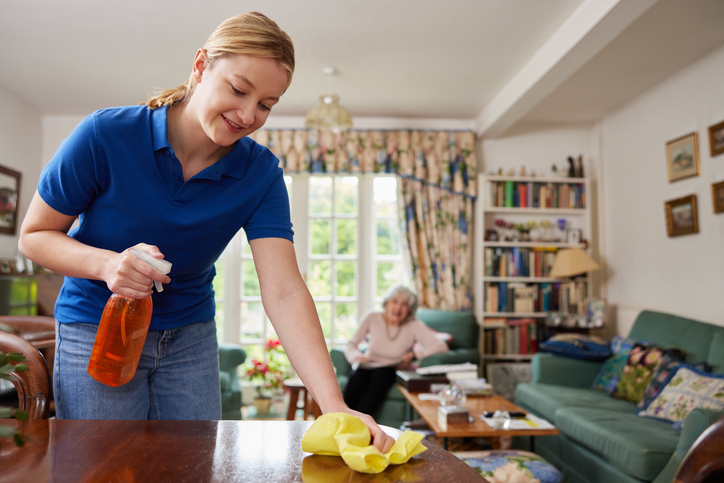
No two people need care in quite the same way. The needs and preferences of everyone are so individual. That’s why care is never a one-size-fits-all. It should always be shaped around the person who needs the care.
We’ve seen this again and again while working with our clients. The right care is never about ticking check boxes. It’s about noticing how someone lives, what matters to them and building support that fits seamlessly into their life.
Care that fits daily life, not a timetable
In many care settings, the day is ruled by schedules: breakfast at eight, lunch at one, and lights out by nine. But most people don’t live like that.
Live-in care gives people back their rhythm. Because the carer lives in the home, they can match the pace of the person they support. Maybe mornings are slow with tea and the radio. Maybe dinner happens whenever EastEnders ends. That flexibility makes care feel like part of normal life, not an intrusion on it.
We’ve supported clients who love their quiet routines — a crossword after breakfast, a walk around the garden, feeding the birds in the afternoon. Live-in care lets those small, grounding habits continue.
Familiar surroundings and comforts
Home holds so much more than furniture. It’s the sound of the kettle, the view from their favourite chair, and the smell of Sunday lunch. Those small, familiar things can make all the difference.
We often hear families say, “Mum just relaxes when she’s home.” The feelings of safety and belonging help people stay calm. For someone living with dementia, that continuity can be especially important.
Live-in care keeps people surrounded by what feels right. It protects independence while giving the reassurance of help being there if it’s needed.
One-to-one attention
Because a live-in carer supports just one person, there’s space for a real relationship to grow, and that’s the goal. Over time, that trust becomes the foundation of a true friendship.
Our carers will notice the tiniest changes, like a change in appetite, mood or mobility. That means we can adapt support before small things turn into big worries.
It also means there’s always company. This means having someone to chat with over lunch or to watch the news with. Families tell us this brings huge peace of mind to know that their loved one isn’t alone night or day.
Support that changes with your needs
We’re only human and our needs don’t stay the same. Some days we can be full of energy and other days we may need more help. The beauty of live-in care is how easy and flexible it is.
If their circumstances change or health declines, the care plan can change without any disruption to your loved one’s care at home. If things improve, that’s wonderful! We can step back and encourage independence again.
Encouraging independence, not replacing it
The best carers know when to help and when to hold back a little. It’s a fine balance to give help and support without completely taking over.
We’ve seen how empowering it is when our clients feel capable again. Getting back in the kitchen to prepare their own lunch, choosing their outfit for the day or watering the plants in the garden. Those small wins are important because they restore dignity and confidence. The best care gives people the space to be themselves.
The Eximius way
At Eximius, everything starts with understanding the person and not just their care needs, but their story. We ask questions to get the details that matter, like:
- How do you like your tea?
- What time do you usually wake up?
- Who do you call first when something good happens?
Those details shape how we build the right support.
We also put a lot of care into matching our clients with the right carers. We’ve seen beautiful bonds form between a carer and client who both have a passion for gardening or who share a sense of humour over old movies. These types of shared moments turn care into companionship.
Our team checks in with our clients regularly, but we’re there just to monitor care. We also want to make sure that our clients and carers are both comfortable and thriving. We’re a phone call away when families need reassurance or want to adjust something.
This is really important to us because for us, good care is about keeping our clients safe, but equally important is helping them live well in a place they love.
If you’re thinking about live-in care for yourself or someone close to you, we can help. Contact us here for an informal chat.
Further Reading
The Role of Carers in a Smooth Transition Home After Hospitalisation
What Does a Residential Care Home Offer?
Navigating a Care Needs Assessment in the UK