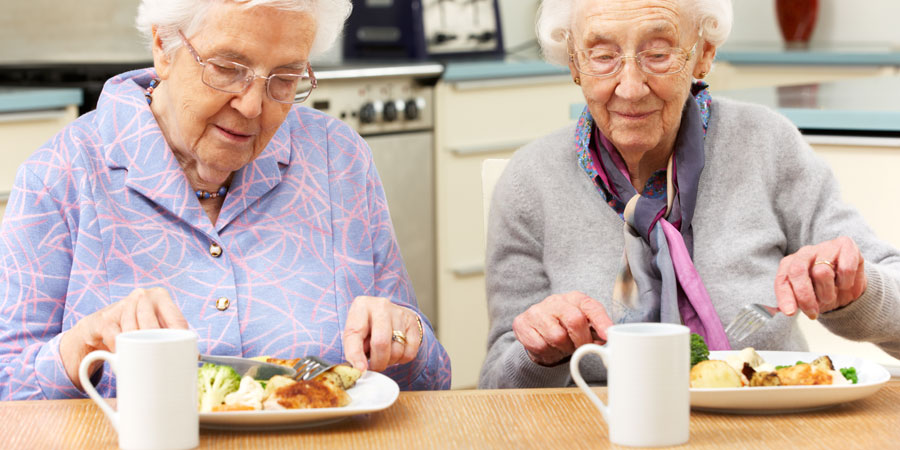
It’s always important to eat well. But it’s even more important that we eat well as we age to promote a long and healthy life.
Food is our fuel. Eating the correct food allows the body to perform at its best, fight ageing, fight disease and boost immunity.
We all know that eating the right food promotes health and wellness by giving us all the vitamins and minerals needed to function effectively. However, eating the wrong foods can cause our bodies unnecessary stress.
As we age, we need fewer calories, but still need lots of nutrients. However, appetites wane as we get older. You may notice a change in your sense of smell and taste which may cause food to seem bland and less enjoyable.
Weight gain and weight loss can become a problem with age
Older adults may become underweight due to:
- Reduced appetite
- Reduced ability to shop regularly for fresh and nutritious foods
- Reduced ability to cook
Older adults may become overweight due to:
- More reliance on convenience and processed foods
- Increased sugar intake (from convenience foods)
- Reduced movement and exercise
So how do you eat well as you age? Here are some tips to get you started.
Eating well as you age
The Eatwell Guide shows the different types of foods and drinks we should consume – from which food groups and in what proportions – to have a healthy, balanced diet.
- Ideally, eat at least 5 portions of a variety of fruit and vegetables every day.
- Base each meal on a source of carbohydrate such as potatoes, bread, rice, pasta or other starchy foods and choose wholegrain varieties where possible.
- Choose some dairy or dairy alternatives (such as soya drinks) each day, choosing low fat and low sugar options where possible.
- Include some protein each day. This can be in the form of beans, pulses, fish, eggs, meat and other proteins (2 portions of fish every week, one of which should be oily, e.g. tuna, mackerel, pilchards).
- Choose unsaturated oils and spreads and eat in small amounts.
- Drink 6-8 cups/glasses of fluid a day.
If you are regularly consuming food and drinks high in fat, salt, or sugar then it’s a good idea to try and have these less often and in small amounts (ideally very rarely).
Sugar, fat and salt
Diets that are high in sugar, fat and salt have been linked to common health conditions such as heart disease, cancer, high blood pressure, stroke, obesity and tooth decay. Unfortunately, many of the processed convenience foods, ready meals and savoury snacks can be high in sugar, fat, and salt.
Eating too much salt can increase your risk of high blood pressure and stroke. So, look for low-salt versions of foods where you can. Also, try adding salt to your food at the table rather than when you cook. Often, less salt is consumed when added at the end.
Foods that are high in saturated fat such as cakes, sausages, and cheese, increase cholesterol levels in the blood and raise your risk of heart disease and stroke. These are often everyday food items but should in fact only be eaten very occasionally.
Tips for people who don’t enjoy eating as much as they’ve got older
- If food tastes bland, try adding some stronger flavours. Sweetener, ginger, garlic, chilli, herbs and fresh lemon or lime, all add flavour without adding salt or sugar.
- Don’t get hung up on certain meals at certain mealtimes. If you want breakfast for dinner, or vice versa, go with it!
- Try eating smaller meals more regularly if a large plate feels too much in one sitting.
- When you cook, make bigger batches, and freeze some so you’ve always got a meal ready to heat up on days you don’t feel like cooking.
- Calorie packed smoothies and finger foods are also good for smaller appetites.
Good nutrition as you age is very important to help you stay as healthy as possible. While tastes and appetites can change, it’s essential to try and consume a range of food from all food groups. In addition to this, reducing the amount of sugar, fat and high salt processed foods, can improve health as we age.

As we age sleep patterns may change, and you may find you have difficulty staying asleep. Poor sleep patterns can contribute to many problems and lead to a reduced quality of life.
Research suggests that weighted blankets may benefit the elderly in a variety of ways. Here you will learn about weighted blankets, their benefits and precautions to be aware of.
What are weighted blankets?
A weighted blanket provides a deep constant pressure on the body that mimics touch pressure therapy. The weight of the blanket puts enough pressure on the body to possibly trigger the production of serotonin (the feel good hormone), a bit like getting a cuddle. It can aid relaxation, have a calming effect and help achieve a deeper sleep. This can have benefits for the elderly.
What are the benefits of weighted blankets for the elderly?
There hasn’t been a lot of research done relating to the use and benefits of weighted blankets but there has been a few smaller studies which you can find here.
Weighted blankets may benefit the elderly in the following ways:
- Improve quality of sleep
- Reduce symptoms of stress and anxiety
- Relieve symptoms of depression
- Relieve the perception of pain
- May reduce the need for some medications
- Reduce symptoms related to certain conditions such as dementia and Alzheimer’s, arthritis, and Parkinson’s
Sleep
Weighted blankets stimulate the production of our natural sleep hormone, melatonin, while also lowering the body’s stress hormone, cortisol. This helps us fall into a faster and deep sleep.
Stress and anxiety
Weighted blankets activate the body’s parasympathetic nervous system (the calm response) – breathing and heart rate slow down, allowing the body to enter a deep state of calm. It undoes the work of the sympathetic nervous system (stress response) which produces the feelings of stress and anxiety.
Depression
Weighted blankets stimulate the production of mood-boosting chemicals like serotonin and dopamine, making us feel happy and content and reducing feelings of depression.
Chronic pain
Research around weighted blankets suggests that they may help combat relentless pain by lowering stress, improving sleep quality and reducing perception of pain.
Medications
Weighted blankets don’t interfere with existing medications, providing a low-risk way for the elderly to find relief from certain health conditions.
Health conditions
Dementia
Dementia often causes anxiety and depression which in turn often lead to insomnia. Weighted blankets can improve sleep quality and quantity leaving people feeling more rested the next day. This can help ease feelings of anxiety and agitation through the day.
Parkinsons
For people with Parkinson’s, a weighted blanket can help relieve anxiety, improve sleep, help with body stiffness and pain as well as help keep tremors a bay.
Arthritis
It is common with arthritis for someone to be kept up at night with reduced motion, pain and stiffness. Pain feels worse without enough sleep and so the vicious cycle begins. A weighted blanket can help relieve pain and improve sleep quality.
How to choose a weighted blanket
Weighted blankets come in various weight increments as in the chart below. As a rule, the maximum weight of the blanket should be within 10% of the adult’s body weight. A properly sized weighted blanket should provide the pressure needed for better mental and physical health without being so heavy that removal is difficult.
Source: healthline.com
Precautions with weighted blankets
When choosing a weighted blanket for an elderly person, safety is paramount. Although weighted blankets are generally safe, there is a suffocation risk for older adults that are particularly frail. They should never be pulled over the head and face.
A heavy blanket could make an elderly person feel restricted which could lead to feelings of panic. It could also hinder their movement or increase the risk of falling if they need to get up during the night.
There are also certain conditions a person may have which means they shouldn’t use a weighted blanket. These include some sleep disorders, sleep apnoea, respiratory problems and some medical conditions.
In conclusion
So weighted blankets can have many benefits and with the right precautions, can be very beneficial for the elderly in many ways. They are widely available and come in a range of textures and colours, so why not give one a try!
Eximius are dedicated to the care of the elderly and those with complex medical conditions. Check out the blog for lots more helpful advice.

As people age, their world can become smaller and often more lonely. Loved ones may have moved away or even passed away.
As people age and go out less often, pets become part of the family and provide much-needed loving companionship. They can bring joy to your everyday life, no matter your age. Here we will look at the benefits of pets for the elderly and which pets are best for older adults.
What are the benefits of keeping pets for the elderly
The Pets For The Elderly Foundation is a charity connecting therapy animals with older adults. Here are some proven benefits of pets for the elderly taken from research the Foundation has collected.
Physical Benefits
Heart Health — Spending time regularly with a pet can lower blood pressure and cholesterol and therefore decrease the risk of cardiovascular disease.
Improved Activity — Walking, grooming or playing with a pet frequently increases the time spent doing physical activity and exercise, which in turn has countless health benefits.
Healthy Behaviour — Pet owners tend to take better care of themselves in general. Caring for a pet helps to develop a routine which encourages owners to maintain better routines to eat regularly or complete chores and other tasks.
Social & Emotional Benefits
Increased Interaction — Walking a dog gets older adults out of the house and increases their opportunities to socialise with neighbours, friends, family or strangers in the park.
Decreased Loneliness — Pets provide companionship, giving older adults a source of love, affection, conversation and activity.
Stress Relief — Being with a pet increases levels of the “feel good” hormone, serotonin, which relieves stress. It also provides physical touch contact, which helps to calm anxiety as well as many other benefits.
Better Self-Esteem — It can be hard coming to terms with getting older and the limitations it can bring with it. Pets are a welcome reminder to older adults that they are still loved and needed.
Sense of Purpose — Owning an animal gives someone a reason to get up in the morning. Pets combat depression symptoms by eliminating feelings of worthlessness or helplessness. Knowing they are loved and needed enhances an older person’s mental health.
Memory– Pet ownership is also thought to help preserve memory and thinking according to research presented at the American Academy of Neurology’s 74th Annual Meeting.
They found that long-term pet ownership is linked to lower levels of memory and thinking decline in those over the age of 50 compared to those who did not have a companion animal.
What is the best pet for an older person?
Cats
Cats can be just as friendly and loveable as dogs but need less looking after. Generally, they are low maintenance and live more independently than dogs. Of course, this also depends on the breed and age of the cat. Kittens will have more energy and may require extra time and attention compared to an older cat. The personality of the cat should also be taken into consideration where possible, especially if adopting an older cat. The breed of the cat will also affect how much care it will need. For example, some pedigree cats need a lot of grooming.
Dogs
Dogs are considered to be one of the best pets for older people. Owning a dog requires care and attention to be given every day. This can give older adults a purpose and a focus each day, especially for those who struggle to give up a busy lifestyle. Walking a dog twice daily provides an elderly person with a reason to get up and out of the house for some fresh air and exercise. Dogs are also a great conversation starter to get an elderly person socialising with people they meet. Very often dog owners will know the names of all the dogs they meet but not the names of the human owners they chat to daily!
Again, it’s important to take the breed of dog into consideration before deciding. Size, temperament and energy levels can vary greatly and all impact the care needs of the dog.
Bunnies, guinea pigs, hamsters, gerbils
If cats and dogs are not suitable, there are other small furry animals that can provide the same benefits. Rabbits, guinea pigs, hamsters and gerbils are social creatures too. Getting more than one (depending on breed) allows them to keep themselves entertained all day too.
They can be kept inside or outside and need a large enclosure in the garden so they can run around and stretch their legs. They are fairly easy to care for and are perfect for people who can’t commit to walking a dog daily but still want to care for an animal and enjoy some cuddles.
Consider adopting a pet
Puppies, kittens and young animals are always more work and need more time and attention. This is something to consider when searching for a pet for an older adult.
It’s a good idea to consider adopting a pet as an older adult. Rescue centres often have detailed information about the history and needs of the animal which means you can find a pet with a personality that matches perfectly with your own. They will generally be much easier to manage and you will be giving an animal a loving and comfortable home for it to live out its days.
If you are a pet owner who is finding the day-to-day tasks of caring for your pet, yourself or your home are becoming increasingly difficult, Eximius can help. We have a range of care options to help you continue to live comfortably and independently in your own home. Contact us here for more information.
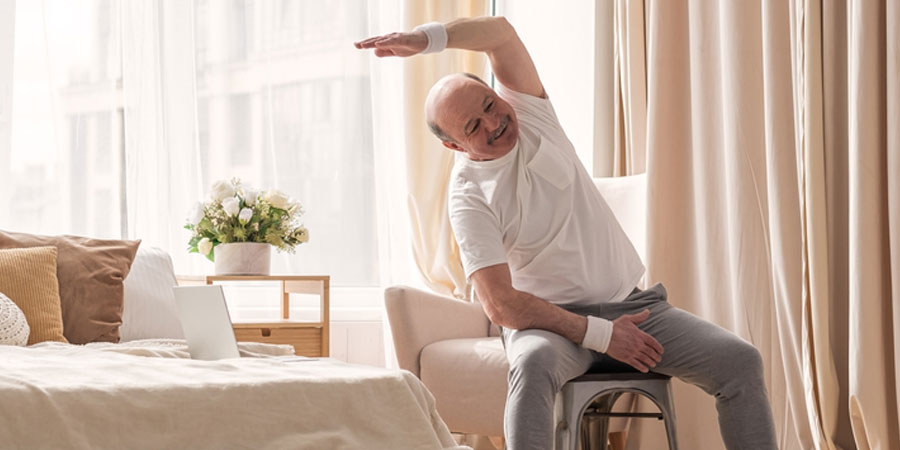
As you get older, it’s crucial to stay active to look after both your physical and mental health.
Regular activity can help your body to stay healthy, enable you to retain your independence, and reduce your risk of developing a range of conditions including heart disease, stroke, type 2 diabetes, some cancers, as well as depression, and dementia.
Being regularly active can also help you to manage your weight, strengthen your muscles and help to stay steady on your feet.
When you exercise, your body releases endorphins which can reduce your perception of pain and trigger a positive feeling in the body.
Exercise for both your body and your mind can improve your mental health by reducing anxiety, depression, and negative feelings, and expand your self-esteem and cognitive function.
But if you don’t know where to start or just need some encouragement or guidance, then check out our top 5 tips for staying active to help you look after your body and your mind.
1. Walking
Walking is considered one of the best forms of exercise, regardless of your age. It’s free, you don’t need any specialist equipment and most people are able to do it.
Aim to get out for a walk at least once a day and make it part of a regular routine, whether it’s on your own or with others.
Walk to a post-box, to the shops, or to your local park, or if you prefer to stay closer to home, enjoy a walk around your garden.
Local groups arrange organised walks for members to enjoy together in a group which can be an excellent way to stay active and socialise at the same time.
2. Embrace technology
The pandemic has encouraged many of us to become more familiar with new technology. Apps such as Zoom, Skype and FaceTime enabled families and friends to stay connected virtually when they were unable to physically be together.
Now that restrictions are relaxing, these apps and others such as social media can still provide invaluable opportunities to improve your mental health and sense of wellbeing.
They can be great tools to keep you connected and able to communicate more effectively with your family and friends, share memories, keep abreast of news in the community, and reach out to people from your past.
The online world also provides numerous e-learning opportunities whether it be physical exercise classes or activities to complement new or existing hobbies and interests. It can also be a source of information on how to access opportunities for physical exercise and social interactions within your local community.
Embracing these technologies can help keep your mind agile, improve memory and increase cognitive longevity, as well as build confidence.
3. Chair exercises
Chair exercises are a safe and effective way to benefit your physical and mental health.
Regularly undertaking a range of chair exercises can increase circulation, coordination, flexibility, strength, posture, and balance. This can reduce the risk of falls and increase your confidence and self-esteem.
Before you begin, make sure you choose a stable chair without wheels or arm rests. Sit with your feet flat on the floor and knees bent at right angles.
Follow professional advice and guidance included in programmes, such as sitting exercises from the NHS to do at home and simple exercises to do at home and chair based exercise classes in the community from Age UK.
4. Pets
Pet ownership has multiple benefits for people in later life. Owning an animal can encourage more activity and provide companionship, affection, and even conversation, alongside sense of purpose and responsibility; all contributing to a greater sense of well-being.
Pets in the home can also increase levels of ‘happy hormones’ in their owners, and can calm anxieties, lower stress levels, and reduce blood pressure.
Dog ownership, in particular, provides the opportunity to undertake regular physical activity outside in the fresh air and enables you to meet new people.
5. Puzzling and gaming
Regularly tacking puzzles and games can provide a great mental workout. Puzzles such as Sudoku or word searches, or, playing games like chess, bridge, or bingo can improve memory, concentration, cognitive skills, and sharpen logic and reasoning.
They can also provide the opportunity for social interaction and stimulation when playing with friends and family both at home and in the local community.
It’s never too late to start
It’s important to remember that it’s never too late to start making changes to the way you look after yourself, whatever age you are. If you have been inactive for a while, just start slowly and gradually build up.
Keeping both your mind and body active really can improve the length and quality of the life you live.
Our Live-In Carers support our clients in keeping active. They arrange and accompany clients taking part in physical activities within the community as well as providing companionship and regular social interaction inside the home to aid mental fitness. An Eximius Live-In Carer can make staying mentally and physically active in later life just a little bit easier.
If you or a loved one would like to understand more about whether live-in care might be the right fit for you, please get in contact, we’d love to help.

A spinal cord injury is a life-changing event. It affects every part of life, from work, hobbies, exercise, relationships, self-esteem and a person’s overall sense of self.
Recovery and adjusting to a new way of life is not an easy process to deal with. Research shows that the overall prevalence of depression in various spinal cord injury studies can be as high as 78%. Here we will discuss the importance of mental health care following a spinal cord injury.
How Spinal Cord Injuries Affect Mental Health
When a spinal injury occurs, it changes every part of life as you know it. Simple everyday tasks will need to be relearned. Depending on the severity of the injury, some tasks may no longer be able to be done independently. This can have a profound effect on a person’s mental health and cause feelings of depression. Life can feel overwhelming.
Relationships can change. People may treat the injured person differently. People may stare. These experiences can steadily erode self-esteem and identity, worsening mental health.
In addition to this, chronic pain, something many spinal cord injured people experience, is associated with worsening mental health over time.
How poor mental health can impact physical health
Many people are reluctant to admit they need mental health support and continue to suffer in silence. Yet, poor mental health can have a profound effect on physical recovery.
Poor mental health can:
- Reduce motivation to follow through with exercise and treatment regimens.
- Increase the likelihood of physical illness such as infections.
- Affect how a person behaves and their relationship with doctors and caregivers who are helping them with recovery.
Treatment options for poor mental health
There are many different ways to approach poor mental health for spinal cord injured people.
Treatment options can include:
- Medication – available and effective but not always necessary, especially not before trying some of the other options.
- Lifestyle changes – healthy diet, exercise, sleeping well, etc.
- Support groups – no one understands the struggles of life like other spinal cord injured people.
- Trying to keep doing activities that brought pleasure before, even if that means finding a new way of doing them.
- Psychotherapy – learn coping skills and identify problematic thought and behaviour patterns.
- Occupational and physical therapy – improving physical capabilities and relearning new ways to work around the injury can improve confidence greatly.
When to seek mental health care
With such a high likelihood of a spinal cord injured person developing some level of depression or anxiety following their injury, it makes sense to be proactive. It’s much harder to treat symptoms of depression than to try and prevent it in the first place. Maintaining a healthy lifestyle, staying socially engaged, remaining motivated to engage in physical rehabilitation and connecting with people in the same situation can all go a long way towards improving and maintaining the mental health of a spinal injury survivor.
Support at home
Eximius live-in care provides a range of care and support packages ranging from simple companionship to complex care needs.
If you or your loved one would benefit from support or companionship at home, please get in touch for an informal chat to see how we can help.
As a carer, you spend so much time focused on someone else that you can easily forget to take care of yourself.But if you get ill, then there’s no one to care for your loved one. So it’s even more important for you to protect some time each day for self-care habits.
This will help you have the energy and strength to continue doing the amazing job that you do. The stress and demands of being a carer actually increase your risk of developing health problems.
You may recognise some of these common ways you may not be taking care of yourself.
- Being regularly sleep deprived
- Poor eating habits
- Poor exercise routines
- Not resting when feeling unwell
- Not engaging in social situations or meeting friends
- Not taking care of your home
- Medical problems
While self-care might fall to the bottom of your very full list of priorities, not taking care of yourself can have severe consequences including depression, anxiety, and even alcohol dependency. Looking after your own wellbeing is important for yourself, but also for the person that is relying on you to care for them.
Here you will find some tips for simple changes you can make to ensure you look after yourself too.
5 top self-care tips for carers
Get support
Speak to an organisation or to your doctor and see what support is available in your area. Many people caring for a parent or a spouse believe that it is their responsibility and no one else’s, so asking for help can feel quite difficult. But everybody needs support and that helps you be the best carer you can be for your loved one.
Family and friends
Lean on them for emotional support and don’t say you’re okay if you’re not. Set up a group chat with family and friends so that you still feel in the loop and connected. Even when you can’t spend as much time with them as you’d like, you can still join in the conversation.
Take a break
Taking regular breaks to pursue a hobby or a catch up with friends can completely change the way you feel. Maybe you can get a short period of time away each day to take a long soak in a bubble bath or a walk in the fresh air. Or maybe you can take a longer period once or twice a week so you can go for lunch with friends or pursue a hobby you used to enjoy. This will make a world of difference to your mental health. It’s really important to make time for the things you enjoy in life.
Eat healthily and exercise
Our bodies crave the right fuel to keep us running well and we need movement in our lives to keep our mind and body healthy. A healthy, balanced diet with a range of fruit and vegetables each day, along with a brisk walk (or even 10 minutes around the garden) will do wonders for how you feel.
Be kind to yourself
Accept that it’s normal to have good days and bad days. Don’t feel guilty for needing time to yourself or for asking for help. You know you are doing all you can for the one you care about and taking care of yourself is an essential part of that.
Remember, self-care isn’t selfish. Your loved one needs you to be the healthiest version of yourself and as a carer you’re doing an incredible job. You deserve a little pampering. I hope these tips help.
If you feel you could benefit from some additional help at home we love to hear from you. Get in touch and we can have a chat about how we can support you.
If you or a loved one require more support or have an ongoing health condition, you may be apprehensive about taking a holiday. Holidays are important to recharge and to experience new places, or visit family and friends.
If you or a loved one need support in order to take a holiday, then we can provide a qualified carer to travel with you for added peace of mind.
If on the other hand, you are caring for a loved one and need to take a break or travel for work reasons, we can put a temporary carer in place to live in your home while you’re away. This is known as respite care and you can find out more about our live-in respite care here.
If your loved one has specialist needs?
We have a highly trained, complex care team who can offer a professional, compassionate and person-centred care service. Find out more about our live-in complex care service here. If you or your loved one has complex care needs, we can also provide a specialist carer to accompany you on holidays.
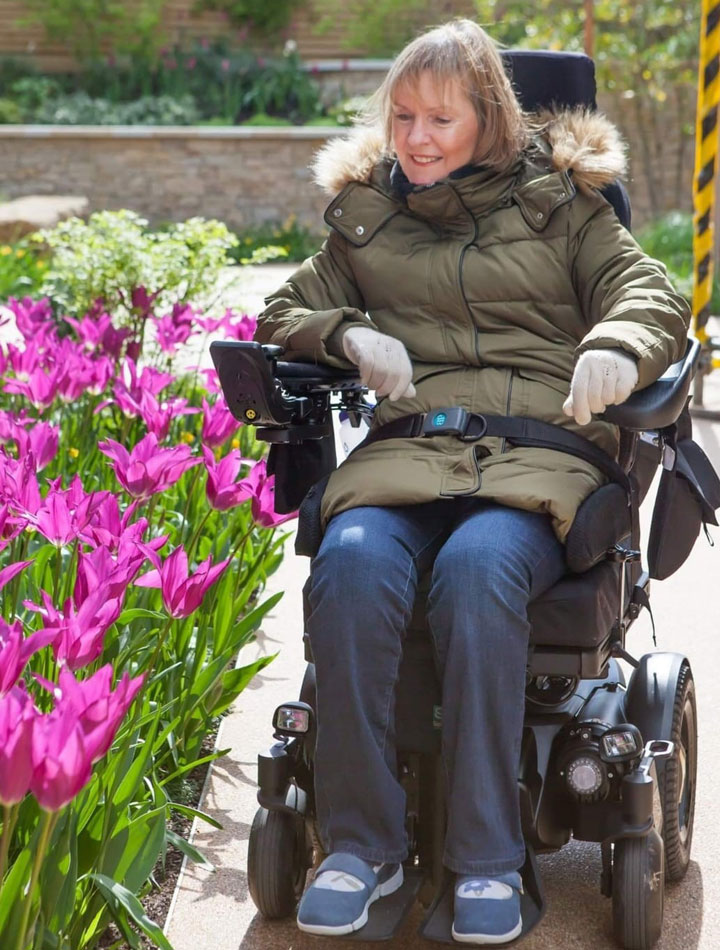
Get in touch to find out how we can support you.
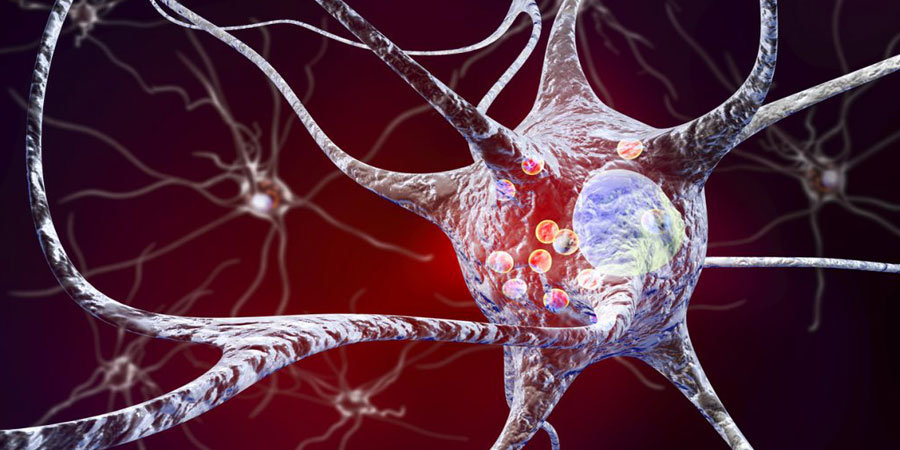
What is Parkinson’s
Parkinson’s is a progressive neurological condition. This means that it causes problems in the brain and gets worse over time. The number of people diagnosed with Parkinson’s in the UK is about 145,000.
It can become increasingly difficult to carry out everyday activities without help. Many people respond well to treatment and only experience mild to moderate disability, whereas the minority may not respond as well and can, in time, become more severely disabled. In such cases additional care may be required. Eximius provides exceptional live-in care for Parkinson’s client, helping them maintain as much independence as possible.
The symptoms of Parkinson’s disease usually develop gradually and are mild at first. There are many different symptoms associated with Parkinson’s disease. But the order in which these develop, and their severity is different for everyone. It is unlikely that a person with Parkinson’s disease would experience all or most of these.
The 3 main symptoms of Parkinson’s disease affect physical movement:
- Tremor – shaking, which usually begins in the hand or arm and is more likely to occur when the limb is relaxed and resting
- Slowness of movement (bradykinesia) – physical movements are much slower than normal, which can make everyday tasks difficult and result in a distinctive slow, shuffling walk with very small steps
- Muscle stiffness (rigidity) – stiffness and tension in the muscles, which can make it difficult to move around and make facial expressions, and can result in painful muscle cramps (dystonia)
Due to the changing nature of Parkinson’s, it can often be difficult for families. At Eximius, we work with loved ones to help ensure the correct care plan is produced for a client. The care plan is unique, individualised and facilities the smooth handover of a companion. Evidence has shown that receiving care in the comfort and safety of your own home plays an important role in improving overall health and wellbeing for the client; with benefits being proven to be greater than moving a client into a care home. Eximius provide a personalised approach to ensure our clients receive a high standard of care, companionship, and service. This is thoroughly important in making sure Parkinson clients continue to live a high-quality life, with dignity, control, and choice.
How our companions can help
Personal care
Often individuals with Parkinson’s have reduced mobility and are unable to carry out personal care themselves. Companions are Eximius can help assist clients with personal hygiene. We understand that this can be a sensitive matter and ensure that the client’s dignity is respected whilst helping with personal care.
Help them stay socially active
Our companions can help keep Parkinson’s clients stimulated by ensuring they keep in touch with friends, remain active and attend activities they enjoy and love. This is good for a client’s confidence, mental wellbeing and helps ensure they remain connected to the local community. Companions can also escort clients on daytrips to museums, concerts and on holiday. This helps ensure that our clients experience a quality life that they deserve.
Additionally, companion’s at Eximius can play a vital role in ensuring clients carry out exercise. Evidence suggests that increasing exercise to 2.5 hours per week can be as important as medication in managing Parkinson’s symptoms. Regular exercise will improve strength, balance, posture, and flexibility. It can also help with sleep, tiredness, and the client’s mood and mental health.
Help with domestic tasks
Companions at Eximius are required to keep a client’s house clean. All rooms are regularly cleaned and vacuumed ensuring that the upkeep of the house is kept to a high standard. This can be reassuring to a client’s family knowing that there relative is in a safe and tidy environment.
Help care for the client’s much-loved pet
Companions at Eximius will happily support looking after client’s pets by feeding them and taking them on regular walks.
Eating and drinking
At Eximius companions help with the client’s food shopping and cook healthy well-balanced meals. Meal’s choices can be prepared based on the client’s desires and preferences. This ensures that the client regularly eats/drinks and receives essential vitamins. This is important in remaining healthy and keeping their immune systems strong helpful in fighting illness. Each companion is provided with an Eximius recipe book when going into a placement. The recipe book is filled with tasty healthy meals helpful in ensuring clients receive a range of delicious meals.
Companionship
Individual with Parkinson’s can become frustrated, depressed and there mental wellbeing can deteriorate. Companions at Eximius can provide excellent emotional support and assistance during this difficult period. Our companions are carefully selected by our recruitment manager, ensuring that all companions employed by the company are of an outstanding care standard. Companions are perfectly matched to a client to ensure they share similar interests and hobbies. This enables a client to continue living an interesting and stimulating life.
Safe mobility
An individual’s house often has to be adapted to help ensure safe movement and mobility. Companions at Eximius ensure that a client’s house is the perfect fit for them. They will contact an occupational therapist who will provide expert guidance and advice as to what equipment and adaptations are required. These are then fitted into a client’s house hassle free. Furthermore, collaborative health and social care is essential and people with the condition will often need the expert professional help of a multidisciplinary team. The multidisciplinary team can include a person’s specialist, Parkinson’s nurse, physiotherapist, occupational therapist, and speech and language therapist. Companions at Eximius play an important role in ensuring this is organised, appointments are scheduled, and doctors are attended on time. This takes all pressure of the client’s family and enables them to continue living a life knowing there loved one is receiving a high standard of care.
Reasons to choose Eximius
Consistency
We believe in keeping the same carer in place for as long as possible. This means a strong bond can develop between the carer and the client. The carer can understand the clients likes and dislikes and build a level of trust. This is especially important for clients with Parkinsons whose condition may vary from day-to-day. Having the same carer means they will be able to adjust better to their clients needs.
Training and experience
Our carers have years of experience in all sorts of conditions. We would place a carer with experience in with a client with Parkinsons and ensure all training was up to date. They are also supported by our clinical lead and care team with over 60 years experience.
Choosing the correct care is an important decision and our experienced team are here to help every step of the way. Please do not hesitate to contact us, we are more than happy to help.
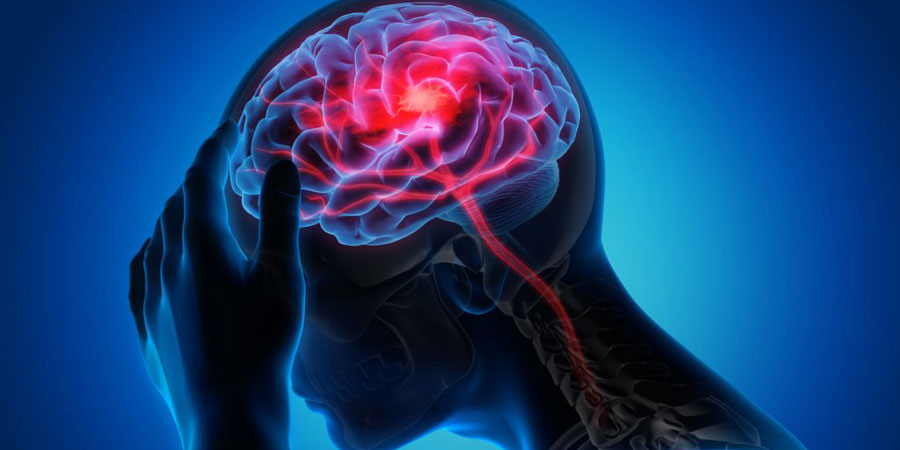
What is a stroke?
A stroke is a serious life-threatening medical condition that happens when the blood supply to part of the brain is cut off. The resulting lack of oxygen to the brain causes damage that affects how the body functions.
There are more than 100,000 strokes in the UK each year. But no two strokes are the same, which means there is no set pattern for recovering from one. It also depends on the type of stroke you have and the stroke services that are available in your area.
How well you recover and how long it takes is also different for everyone but making sure that you receive care quickly will give you the best possible chance of making a good recovery.
The signs and symptoms of a stroke vary from person to person, but usually begin suddenly. The main stroke symptoms include:
- Face – the face may have dropped on 1 side, the person may not be able to smile, or their mouth or eye may have drooped.
- Arms – the person may not be able to lift both arms and keep them there because of weakness or numbness in 1 arm.
- Speech – their speech may be slurred or garbled, or the person may not be able to talk at all despite appearing to be awake; they may also have problems understanding what you are saying to them.
How we can help?
At Eximius we believe individuals recovering from a stroke should be cared and supported in a familiar setting surrounded by their loved ones. Our companions can play a vital role in helping clients maintain a positive morale crucial in maintaining good health and wellbeing. Additionally, companions can help clients:
- Do their physiotherapy exercises in between their sessions with the physiotherapist
- Provide emotional support and reassurance that their condition will improve with time
- Help motivate them to reach their long-term goals
- Adapt to any needs they may have, such as speaking slowly if they have communication difficulties
Companions at Eximius caring for stroke clients have recalled several success stories. Many stroke clients have been told by medical professionals of the unlikelihood of mobility being regained, however have been able to recover beyond expectations.
Eximius puts this somewhat down to our extremely hard-working companions who consistently encourage clients to carry out physiotherapy exercises, provide clients with healthy nutritional meals and give companionship.
Furthermore, our companions can help with
Managing and administering medications
All companions at Eximius are fully trained and qualified in the administration of medication. We ensure that companions understand and aware of client’s medication usage before they go into placement. This helps ensure a smooth and accurate handover. Additionally, companions are required to document the administration of medication on a secure care electronic system. This helps companions monitor intake and let a clients family know that their loved one is being looked after. This can be extremely reassuring. Companions will also ensure that repeat prescriptions are made and will collect medication from the pharmacy. This takes all pressure of the client’s family.
Personal care
Often individuals recovering from a stroke have reduced mobility and are unable to carry out personal care themselves. Companions are Eximius can help assist clients with personal hygiene. We understand that this can be a sensitive matter and ensure that the client’s dignity is respected whilst helping with personal care.
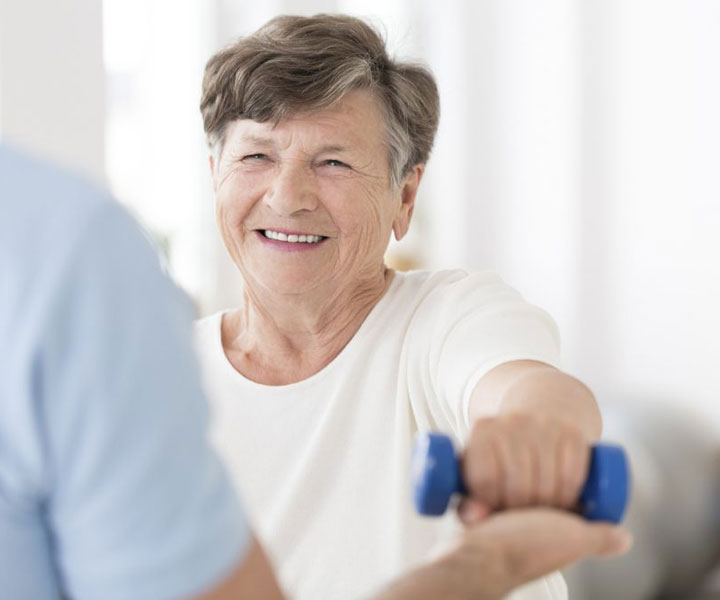
Help them stay socially active
Our companions can help keep stroke clients stimulated by ensuring they keep in touch with friends, remain active and attend activities they enjoy and love. This is good for a client’s confidence, mental wellbeing and helps ensure they remain connected to the local community. Companions can also escort clients on daytrips to museums, concerts and on holiday. This helps ensure that our clients experience a quality life that they deserve.
Help with domestic tasks
Companions at Eximius are required to keep a client’s house clean. All rooms are regularly cleaned and vacuumed ensuring that the upkeep of the house is kept to a high standard. This can be reassuring to a client’s family knowing that there relative is in a safe and tidy environment.
Help care for the client’s much-loved pet
Companions at Eximius will happily support looking after client’s pets by feeding them and taking them on regular walks.
Eating and drinking
At Eximius companions help with the client’s food shopping and cook healthy well-balanced meals. Meal’s choices can be prepared based on the client’s desires and preferences. This ensures that the client regularly eats/drinks and receives essential vitamins. This is important in remaining healthy and keeping their immune systems strong helpful in fighting illness. Each companion is provided with an Eximius recipe book when going into a placement. The recipe book is filled with tasty healthy meals helpful in ensuring clients receive a range of delicious meals.
Companionship
Following a stroke an individual can become frustrated and there mental wellbeing can deteriorate. Companions at Eximius can provide excellent emotional support and assistance during this difficult period. Our companions are carefully selected by our recruitment manager, ensuring that all companions employed by the company are of an outstanding care standard. Companions are perfectly matched to a client to ensure they share similar interests and hobbies. This enables a client to continue living an interesting and stimulating life.
Safe mobility
After a stroke, an individual’s house often has to be adapted to help ensure safe movement and mobility. Companions at Eximius ensure that a client’s house is the perfect fit for them. They will contact an occupational therapist who will provide expert guidance and advice as to what equipment and adaptations are required. These are then fitted into a client’s house hassle free
Reasons to choose Eximius
Consistency
We believe in keeping the same carer in place for as long as possible. This means a strong bond can develop between the carer and the client. The carer can understand the clients likes and dislikes, what might trigger them and build a level of trust.
Knowledge and experience
Our clinical lead can liaise with health professionals to ensure the correct rehabilitation programme is in place, and that carers are trained correctly to carry it out with clients.
Flexibility
Because we are a small owner run company, we are able to be very fast and flexible with decision making. We are very involved with all our clients, so as a client’s needs change, we adapt and change with them.
Choosing the correct care is an important decision and our experienced team are here to help every step of the way. Please do not hesitate to contact us, we are more than happy to help.

What is companionship care?
According to the campaign to End loneliness, loneliness is seen by many as ones of the largest health concerns we face:
- The number of over-50s experiencing loneliness is set to reach two million by 2025/6
- Half a million older people go at least five or six days a week without seeing or speaking to anyone at all
- Well over half (59%) of those aged 85 and over and 38% of those aged 75 to 84 live alone
- Two fifths all older people (about 3.9 million) say the television is their main company
Furthermore, according to the campaign to End Loneliness:
- Loneliness is likely to increase risk of death by 26%
- Loneliness, living alone and poor social connections are as bad for your health as smoking 15 cigarettes a day
- Loneliness is worse for you than obesity
- Loneliness and social isolation are associated with an increased risk of developing coronary heart disease and stroke
- Loneliness increases the risk of high blood pressure
- Loneliness with severe depression is associated with early mortality and loneliness is a risk factor for depression in later life
- Loneliness and social isolation put individuals at greater risk of cognitive decline and dementia
As an individual gets older the likelihood of them facing loneliness increases, with them more likely to experience the loss of a life-long spouse/partner, poorer health, and long-term illness. However, despite this an individual can feel lonely at any point during their life. It important that when an individual begins presenting with these emotions, they are supported. In many cases families may live some distance away from there loved ones and it is not possible for them to visit frequently.
This is when Eximius can step in. Eximius can provide companionship care to help ensure loved ones can live well. Individuals can continue living in their own home whilst receiving companionship, care and support from our highly trained and experienced carers. For many it is company that is needed, and enjoyment being brought back into their lives. Eximius can help individuals begin feeling themselves again, feel less isolated/lonely and begin to experience a quality life that they deserve.
How our companions can help
Managing and administering medications
All companions at Eximius are fully trained and qualified in the administration of medication. We ensure that companions understand and aware of client’s medication usage before they go into placement. This helps ensure a smooth and accurate handover. Additionally, companions are required to document the administration of medication on a secure care electronic system. This helps companions monitor intake and let a clients family know that their loved one is being looked after. This can be extremely reassuring. Companions will also ensure that repeat prescriptions are made and will collect medication from the pharmacy. This takes all pressure of the client’s family and ensures optimum health and wellbeing of the client.
Personal care
Companions are Eximius can help assist clients with personal hygiene. We understand that this can be a sensitive matter and ensure that the client’s dignity is respected whilst helping with personal care.
Additionally companions can help with assisted care such as supporting clients with appearance, dressing and grooming.
Help them stay socially active
Our companions can help keep clients stimulated by ensuring they keep in touch with friends, remain active and attend activities they enjoy and love. This is good for a client’s confidence, mental wellbeing and helps ensure they remain connected to the local community. Companions can also escort clients on daytrips to museums, concerts and on holiday. This helps ensure that our clients experience a quality life that they deserve.
Help with domestic tasks
Companions at Eximius are required to keep a client’s house clean. All rooms are regularly cleaned and vacuumed ensuring that the upkeep of the house is kept to a high standard. This can be reassuring to a client’s family knowing that there relative is in a safe and tidy environment.
Help care for the client’s much-loved pet
Companions at Eximius will happily support looking after client’s pets by feeding them and taking them on regular walks.
Eating and drinking
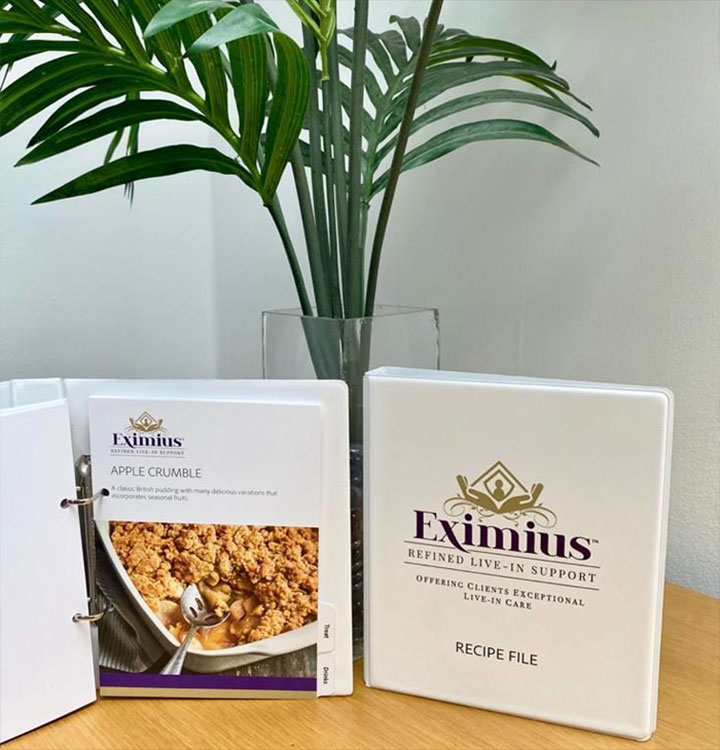
At Eximius companions help with the client’s food shopping and cook healthy well-balanced meals. Meal’s choices can be prepared based on the client’s desires and preferences. This ensures that the client regularly eats/drinks and receives essential vitamins. This is important in remaining healthy and keeping their immune systems strong helpful in fighting illness. Each companion is provided with an Eximius recipe book when going into a placement. The recipe book is filled with tasty healthy meals helpful in ensuring clients receive a range of delicious meals.
Companionship
Companions at Eximius can provide excellent emotional support and assistance. Our companions are carefully selected by our recruitment manager, ensuring that all companions employed by the company are of an outstanding care standard. Companions are perfectly matched to a client to ensure they share similar interests and hobbies. This enables a client to continue living an interesting and stimulating life.
Eximius like to keep companions in a placement for as long as possible to enable the client and companion to develop a relationship. A dedicated companion can spend time getting to know the client and how they wish to live their life. They offer one-to-one consistent company that cannot be achieved with other types of care. Having a stable carer is extremely important in them being able to pick up and notice behavioural changes in the client. Having a companion notice alterations in the client mood is important. Additionally, keeping a companion in a placement for a while helps maintain structure. Maintaining a structured environment is essential for providing care to someone. The structure will minimize potential issues by providing the individual a consistent, dependable way of life.
Reasons to choose Eximius
Matching of carers
When we meet a client and their family we learn all about a persons like and dislikes, their past and their hobbies. This enables us to get a carer who shares as many interests as possible. They can then go for drives, play scrabble, watch pointless and all the things that having a companion can bring.
Consistency
We believe in keeping the same carer in place for as long as possible. This means a strong bond can develop between the carer and the client. The carer can understand the clients likes and dislikes, what might trigger them and build a level of trust.
Choosing the correct care is an important decision and our experienced team are here to help every step of the way. Please do not hesitate to contact us, we are more than happy to help.

During these times of uncertainty, Eximius Support offer an alternative to the care home system.
Learn more about us and how our approach to live in care is different to what you think, directly from our founder Kate Hetzel.
Contact Eximius today and see how we can help make a difference. Call us on 01494 424222 or 07434 901547, email us at info@eximiussupport.uk, or fill out the form here, and one of the team will get back to you promptly!

Rapidly progressive dementias (RPDs) are dementias that progress very quickly. Typically, progression occurs over the course of weeks to months, but sometimes up to two to three years. RPDs are rare and often difficult to diagnose. However, early and accurate diagnosis is very important because many causes of RPDs can be treated.
Some forms of RPD are treatable. If the diagnosis is made quickly, early symptoms may be reversed. Sadly, for some, there is no cure.
So diagnosing and treating RPD early is key. Here you will learn what the symptoms, causes and treatment of RPD are.
Causes of rapidly progressive dementia
There are many conditions that can cause RPD.
Some possible causes include:
- Autoimmune diseases (when the body’s immune system is activated to fight against its own cells)
- Unusual presentations of more common neurodegenerative diseases (such as Alzheimer’s disease)
- Infections
- Impaired blood flow to or in the brain
- Exposure to toxic substances
- Vitamin deficiencies
- Cancer
- Hormonal disturbances
- Metabolic disorders
- Toxicity from prescribed medications
- Recurrent seizures
Progression of rapidly progressive dementia
The symptoms and progression of RPD vary between individuals and the underlying cause. Affected people will usually develop problems with their memory, communication and thought processes. They may also develop personality, behavioural and mood changes. Symptoms related to movement may develop due to brain cell injury as the condition worsens.
Many causes of RPD are often treatable and reversible if diagnosed quickly. For some other RPDs, there are no cures, and the progression of symptoms is inevitable, although there may be some treatment to help relieve specific symptoms. Sadly, patients with non-curable forms of RPD may die within months or a few years from onset.
Diagnosing rapidly progressive dementia
RPD can be very difficult to diagnose. But diagnosing it accurately and quickly is essential in order to treat and protect from further brain cell damage. Seeing a specialist doctor can help identify possible causes by looking at the progression, recent exposures such as toxins or recent travel. A detailed history, as well as an analysis of symptoms, will be taken. Various tests can be carried out as well as brain imaging and scans. Cancers, infections, toxins and autoimmune conditions could all cause a fast decline in mental function, as well as the more common neurodegenerative causes of dementia such as Alzheimer’s, strokes and Parkinson’s disease.
Treating rapidly progressive dementia
Treating RPD will depend on the root cause of the condition. For example, if cancer or a hormone imbalance is causing the symptoms of dementia, treatment of the condition may improve symptoms. Sadly, for many people no cure is available. For these people, the emphasis is on treating the symptoms to keep them comfortable and improve their quality of life as much as possible.
How to care for someone with rapidly progressive dementia
As with any form of dementia, ensuring the person’s physical and emotional needs are taken care of. While they are able, keep them involved and let them make their own decisions and choices about what happens in their day-to-day life.
Due to the nature of RPD, it’s important to discuss end-of-life care with them so they have the opportunity to make decisions now about their future.
Caring for someone with RPD can be physically and emotionally challenging, so it’s important to ask for help and take care of yourself too.
Eximius can provide exceptional live-in support for your loved one. Having the day-to-day caring tasks looked after by one of our caring and compassionate companions, leaves you to spend quality time with your loved one.
Please get in touch if you’d like to learn more.

What is Multiple Sclerosis?
Multiple Sclerosis (MS) is a condition that can affect the brain and spinal cord. In MS, the coating that protects your nerves (myelin) is damaged. More than 130,000 people in the UK have MS with individuals most likely to find out they have the condition in their thirties, forties, and fifties. But the first signs of MS often start years earlier. Many people notice their first symptoms years before they get their diagnosis. MS affects almost three times as many women as men.
MS has many symptoms, but not everyone will experience all of them. Some of the most common symptoms of multiple sclerosis include:
- Eye problems
- Numbness or tingling feelings (sometimes a bit like pins and needles)
- Fatigue
- Difficulty walking
- Problems controlling the bladder
- Muscle stiffness and spasms
- Problems with thinking, learning and planning
- Problems with balance and co-ordination
MS symptoms can come and go and change over time depending on the type of MS the client has. They can be mild, or more severe. However, throughout a client’s journey with MS, it is important they feel supported and maintain as much independence as possible. Eximius can play a crucial role in ensuring this happens. Eximius provide high quality personalised care to help clients receive the benefits of being cared for within their own home compared to residential or care home settings.
These benefits include improved wellbeing and overall health, maintaining existing routines and remaining connected with loved ones. Although there is no cure for MS, it is essential to adopt positive lifestyle habits to help slow the speed of the disease progression. Companions at Eximius work around the clock to ensure clients are satisfied, maintain healthy lifestyle habits, and ensure clients experience a quality of life they deserve.
How our companions can help
Personal care
Often individuals with MS have reduced mobility and are unable to carry out personal care themselves. Companions are Eximius can help assist clients with personal hygiene. We understand that this can be a sensitive matter and ensure that the client’s dignity is respected whilst helping with personal care.
Help them stay socially active
Our companions can help keep MS clients stimulated by ensuring they keep in touch with friends, remain active and attend activities they enjoy and love. This is good for a client’s confidence, mental wellbeing and helps ensure they remain connected to the local community. Companions can also escort clients on daytrips to museums, concerts and on holiday. This helps ensure that our clients experience a quality life that they deserve.
Additionally, companion’s at Eximius can play a vital role in ensuring clients carry out exercise. Regular, moderate exercise is now known to be an important part of maintaining good health and wellbeing for people with MS. There is evidence that it can help with many MS symptoms, and with general quality of life.
Moderate exercise has been shown to improve strength, mobility and bowel and bladder function for people with mild to moderate MS. Exercise is also helpful in helping maintain a healthy weight. This reduces your chances of acquiring co-morbidities, and can also reduce the impact of some MS symptoms, such as pain and fatigue. Exercise activities include swimming, arm cycling, sailing and boating, bowling, golf and Archery. Eximius companions can drive, provide company and organise exercise classes for clients.
Help with domestic tasks
Companions at Eximius are required to keep a client’s house clean. All rooms are regularly cleaned and vacuumed ensuring that the upkeep of the house is kept to a high standard. This can be reassuring to a client’s family knowing that there relative is in a safe and tidy environment.
Help care for the client’s much-loved pet
Companions at Eximius will happily support looking after client’s pets by feeding them and taking them on regular walks.
Eating and drinking
At Eximius companions help with the client’s food shopping and cook healthy well-balanced meals. Meal’s choices can be prepared based on the client’s desires and preferences. This ensures that the client regularly eats/drinks and receives essential vitamins. This is important in remaining healthy and keeping their immune systems strong helpful in fighting illness. MS is an autoimmune disease and therefore having a diet rich in fruits and vegetables is key in preventing other health complications such as high blood pressure and diabetes. Each companion is provided with an Eximius recipe book when going into a placement. The recipe book is filled with tasty healthy meals helpful in ensuring clients receive a range of delicious meals.
Major claims have been made regarding curing or significantly alleviating MS through specific diets such as the swank diet, palaeolithic diet and the Mediterranean diet. Some people are very passionate supporters of a specific diet, but none of these diets have been shown to work for everyone who tries them. If a client wants to try one of these diets, Eximius companions can assist with this.
Companionship
Individual with MS can become frustrated, depressed and there mental wellbeing can deteriorate. Companions at Eximius can provide excellent emotional support and assistance during this difficult period. Our companions are carefully selected by our recruitment manager, ensuring that all companions employed by the company are of an outstanding care standard. Companions are perfectly matched to a client to ensure they share similar interests and hobbies. This enables a client to continue living an interesting and stimulating life.
Safe mobility
An individual’s house often has to be adapted to help ensure safe movement and mobility. Companions at Eximius ensure that a client’s house is the perfect fit for them. They will contact an occupational therapist who will provide expert guidance and advice as to what equipment and adaptations are required. These are then fitted into a client’s house hassle free.
Furthermore, collaborative health and social care is essential and people with the condition will often need the expert professional help of a multidisciplinary team. The multidisciplinary team can include a person’s specialist, physiotherapist, and occupational therapist.
Eximius play an important role in ensuring this is organised, appointments are scheduled, and doctors are attended on time. This takes all pressure of the client’s family and enables them to continue living a life knowing there loved one is receiving a high standard of care.
Managing and administering medications
All companions at Eximius are fully trained and qualified in the administration of medication. We ensure that companions understand and aware of client’s medication usage before they go into placement. This helps ensure a smooth and accurate handover. Additionally, companions are required to document the administration of medication on a secure care electronic system. This helps companions monitor intake and let a clients family know that their loved one is being looked after. This can be extremely reassuring. Companions will also ensure that repeat prescriptions are made and will collect medication from the pharmacy. This takes all pressure of the client’s family.
Reasons to choose Eximius
Consistency
We believe in keeping the same carer in place for as long as possible. This means a strong bond can develop between the carer and the client. The carer can understand the clients likes and dislikes and build a level of trust. This is especially important for clients with MS whose condition may vary from day-to-day. Having the same carer means they will be able to adjust better to their clients needs.
Training and experience
Our carers have years of experience in all sorts of conditions. We would place a carer with experience in with a client with MS and ensure all training was up to date. They are also supported by our clinical lead and care team with over 60 years experience.
Choosing the correct care is an important decision and our experienced team are here to help every step of the way. Please do not hesitate to contact us, we are more than happy to help.

Caring for a sick or elderly loved one can be such a rewarding experience. But it can also be very difficult, especially if you, as the carer, have little support yourself.
In this scenario, you may find you have been caring full time with no break for a long time. You may be juggling caring with another paid job, possibly with regularly broken sleep.
The combination of stress and pressures from the responsibility of caring, along with the lack of time for your own life can lead to feelings and symptoms of anxiety and depression.
Carer depression is more common than you may think
- Carers who care for a loved one with a mental health problem have a significantly higher risk of experiencing their own issues with mental health.
- 71% of carers have poor physical or mental health.
- A study found 84% of carers feel more stressed, 78% feel more anxious and 55% reported that they suffered from depression because of their caring role.
Common causes of carer depression
These are some of the common issues that, over time, can lead to symptoms of carer depression.
- Stress – As the main carer you may find you worry constantly about your loved one, their health and their future. This stress can build over time and can lead to you experiencing mental health difficulties.
- Anxiety – If you find you have a lot of anxiety on a day-to-day basis, this too can build up over time and become overwhelming.
- Loss of self – Caring for someone full time often means you have little or no time to care for yourself. You lose friendships and hobbies, leaving you feeling lonely and unfulfilled. Very often your own health and wellbeing are forgotten as you constantly put your loved one first.
- Money worries – Maybe you lost an income when your loved one became ill or maybe you lost your income in order to become a full-time carer. You may have extra costs now relating to medical needs or regular travel to appointments.
- Lack of sleep – A lack of sleep can adversely affect your mental and physical health over time.
- Resentment and Guilt – Although you want to care for your loved one, it’s completely normal to feel some resentment if, in doing so, you’ve lost your own joy in life. Then you may feel guilty for feeling that way and so the cycle continues.
What are the symptoms of carer depression?
Depression has many symptoms, so it’s all about spotting them early. Carers UK advises to consider seeking help from a doctor if you are experiencing any of these symptoms on a regular basis:
- Feeling hopeless, irritable, anxious, worried, or tearful
- Feeling unable to cope with everyday things that you would not have thought twice about in the past
- Losing your appetite, losing weight, or having trouble sleeping
- In extreme cases, you might even think about harming yourself or other people
- Depression can build up gradually, so you may not realise how much it is affecting you
Due to the stressful nature of their lives, carers can be more prone to depression. If you are unsure, the NHS has a helpful self-assessment tool you could try: https://www.nhs.uk/mental-health/conditions/clinical-depression/overview/
What can you do to help?
If you’re feeling overworked and overwhelmed, then seeking support is the first thing to do. This can be physical support with the tasks involved in caring for your loved one. Or it could be emotional support for you. People can’t help if they don’t know you are struggling.
Take time out if you can. Ask friends or family if they can take over for some short breaks throughout the week, or maybe for a longer period weekly. You could use this time to take a bath, rekindle an old hobby or have lunch with friends.
If you know your mood is very low, talk to a doctor. There are many ways to support your mental well-being and prevent worsening symptoms that may, ultimately, leave you unable to care for your loved one at all.
How can Eximius help?
It can be a very positive and rewarding experience to know you are helping someone else, but that doesn’t make it easy or stress-free.
At Eximius, we can provide a range of care to suit all requirements. Whether you would like us to take over all the care, provide a little day-to-day support or simply provide a little respite care a few times a year, we can help.
If you feel you could benefit from some additional help at home, we love to hear from you. Get in touch and we can have a chat about how we can support you.
What is brain injury?
Brain injury takes many forms and has many causes and levels of severity.
Any brain injury that has occurred since birth is known as an acquired brain injury (ABI). Other common forms of brain injury include:
- Traumatic brain injury (TBI) – commonly occurs due to road traffic collisions, falls, assaults, etc. TBIs are generally categorised into minor, moderate and severe injuries.
- Stroke – occurs when either the blood supply in the brain is blocked by a blood clot (ischaemic stroke) or when a blood vessel in the brain bursts (haemorrhagic stroke) causing a bleed on the brain (haemorrhage).
- Encephalitis – inflammation of the brain caused by either a viral infection or through the immune system attacking the brain in error.
- Meningitis – inflammation of the membranes that surround the brain (meninges) caused by bacterial or viral infections.
Hypoxic/anoxic injury – caused by lack of oxygen to the brain and can happen as a result of a heart attack, near drowning, carbon monoxide poisoning, etc. - Brain tumour – an abnormal growth of cells in the brain.
- Hydrocephalus – a build up of cerebrospinal fluid (CSF) in the brain. This often occurs in babies as a result of birth defects or infection and can also occur in adults due to traumatic brain injury, stroke, brain tumour, or, on rare occasions, spontaneously, with no known cause.
There were 348,453 UK admissions to hospital with acquired brain injury in 2016-17. That is 531 admissions per 100,000 of the population. Men are 1.5 times more likely than women to be admitted for head injury. In 2016-17, there were 132,199 admissions for stroke. That is an increase of 10% since 2005-6 and equates to one every four minutes.
How long and how arduous the road to recovery is for brain injured individuals varies from case to case. Receiving the correct care throughout this journey is crucial. Evidence has shown that the type of care selected plays an important role in seeing benefits in wellbeing and health, with live-in care showing the greatest benefits.
Eximius provides outstanding live-in care to help ensure that injured individuals maintain as much independence, control, and a high-quality life. It can be a worrying and difficult time for a family after a loved one experiences a brain injury. However, at Eximius we make this time a little easier by providing a personalised and flexible approach to ensure a loved one is cared for correctly. Companions at Eximius go above and beyond to ensure clients and families are satisfied.
How our companions can help:
Managing and administering medications
Medications may be used to manage some of the effects of a brain injury. Medication to limit secondary damage may also need to be administered. All companions at Eximius are fully trained and qualified in the administration of medication. We ensure that companions understand and aware of client’s medication usage before they go into placement. This helps ensure a smooth and accurate handover. Additionally, companions are required to document the administration of medication on a secure care electronic system. This helps companions monitor intake and let a clients family know that their loved one is being looked after. This can be extremely reassuring. Companions will also ensure that repeat prescriptions are made and will collect medication from the pharmacy. This takes all pressure of the client’s family.
Personal care
Often individuals with a brain injury have reduced mobility and are unable to carry out personal care themselves. Companions are Eximius can help assist clients with personal hygiene. We understand that this can be a sensitive matter and ensure that the client’s dignity is respected whilst helping with personal care.
Help them stay socially active
Our companions can help keep brain injury clients stimulated by ensuring they keep in touch with friends, remain active and attend activities they enjoy and love. This is good for a client’s confidence, mental wellbeing and helps ensure they remain connected to the local community. Companions can also escort clients on daytrips to museums, concerts and on holiday. This helps ensure that our clients experience a quality life that they deserve.
Additionally, companion’s at Eximius can play a vital role in ensuring clients carry out exercise and rehabilitation. Activity is the best way to keep a client’s body healthy, improve mental health and to avoid complications. Research has demonstrated the benefits of activity in maintaining health and function as well as recovery.

Most people who have had a significant brain injury will require rehabilitation. They may need to relearn basic skills, such as walking or talking. Companion’s can ensure that daily rehabilitation takes place.
Help with domestic tasks
Companions at Eximius are required to keep a client’s house clean. All rooms are regularly cleaned and vacuumed ensuring that the upkeep of the house is kept to a high standard. This can be reassuring to a client’s family knowing that there relative is in a safe and tidy environment.
Help care for the client’s much loved pet
Companions at Eximius will happily support looking after client’s pets by feeding them and taking them on regular walks.
Eating and drinking
At Eximius companions help with the client’s food shopping and cook healthy well-balanced meals. Meal’s choices can be prepared based on the client’s desires and preferences. This ensures that the client regularly eats/drinks and receives essential vitamins. This is important in remaining healthy and keeping their immune systems strong helpful in fighting illness. Each companion is provided with an Eximius recipe book when going into a placement. The recipe book is filled with tasty healthy meals helpful in ensuring clients receive a range of delicious meals.
Companionship
Individual with a brain injury can become frustrated, depressed and there mental wellbeing can deteriorate. Companions at Eximius can provide excellent emotional support and assistance during this difficult period. Our companions are carefully selected by our recruitment manager, ensuring that all companions employed by the company are of an outstanding care standard. Companions are perfectly matched to a client to ensure they share similar interests and hobbies. This enables a client to continue living an interesting and stimulating life.
Safe mobility
Eximius like to keep companions in a placement for as long as possible to enable the client and companion to develop a relationship. This is extremely important in the companion picking up and noticing behavioural changes in the client. Seizures can develop after a brain injury and occur several months, or even years after the injury occurred. Having a companion that notices alterations in the client mood is important. Additionally, keeping a companion in a placement for a while helps maintain structure. Maintaining a structured environment is essential for providing care to someone who’s suffered a brain injury. The structure will minimize potential issues by providing the individual a consistent, dependable way of life.
An individual’s house often has to be adapted to help ensure safe movement and mobility. Companions at Eximius ensure that a client’s house is the perfect fit for them. They will contact an occupational therapist who will provide expert guidance and advice as to what equipment and adaptations are required. These are then fitted into a client’s house hassle free. Furthermore, collaborative health and social care is often essential and people with a brain injury will often need the expert professional help of a multidisciplinary team. The multidisciplinary team can include a person’s specialist, physiotherapist, and occupational therapist. Eximius play an important role in ensuring this is organised, appointments are scheduled, and doctors are attended on time. This takes all pressure of the client’s family and enables them to continue living a life knowing there loved one is receiving a high standard of care.
Reasons to choose Eximius
Consistency
We believe in keeping the same carer in place for as long as possible. This means a strong bond can develop between the carer and the client. The carer can understand the clients likes and dislikes, what might trigger them and build a level of trust. This is especially important with brain injury where communication is critical. Having the same carer in place means they get to know a client’s traits and build knowledge of methods of communication and their meaning.
Knowledge and experience
We have cared for many clients with brain injury and with their case managers and health professional teams. We understand the needs and particular challenges. All our carers are trained in the specific skills to care for our clients and liaise with our clinical lead for support.
Flexibility and creativity
Because we are a small owner run company, we are able to be very fast and flexible with decision making. We can be creative around solutions for particular situations and less rigid in our approach. This has meant in the past that where other companies have struggled with housing or family dynamics, we are able to come up with innovative solutions.
Choosing the correct care is an important decision and our experienced team are here to help every step of the way. Please do not hesitate to contact us, we are more than happy to help.
A decreased appetite is common among the older generation. Taste buds decrease with age and retirement often brings about more sedentary routines. This results in hunger signals becoming reduced so there’s less desire for food.
Families often notice this during holidays or extended stays.
It is essential for your elderly loved ones to eat nutritious meals. They need to be getting enough calories in order to maintain a healthy and stable weight. Eating the right food allows the body to perform at its best, fight ageing, fight disease and boost immunity. It also promotes health and wellness by giving us all the vitamins and minerals needed to function effectively.
Here we will offer some tips on how to encourage your elderly loved ones to eat if they have no appetite. Sometimes simple changes can make a big difference.
Where to start
It can be difficult to encourage elderly people to eat when they don’t feel like it. We worry about them and worry they’re not getting the nutrition they need.
First, rule out any serious health problems, dental problems or medication side effects by getting them checked by a doctor and dentist. Once you are reassured that a health problem isn’t causing their loss of appetite, you can confidently start experimenting with different ways to entice them. There are various ways to increase and stimulate someone’s appetite – but it can be a challenge. Try not to be discouraged and try these ideas.
11 tips to increase and stimulate appetite in your elderly loved one
- Create a routine for meals – having regular mealtimes as well as similar food at the same mealtime can help. Expecting certain foods at certain times of day, such as porridge at 8am, can help an elderly person feel ready for that meal.
- Make eating a social event. Eating with others makes it enjoyable and can distract from the lack of appetite. In addition, eating with company, who are also eating, makes it more likely that more food will be eaten.
- Make a nice atmosphere for the meal, so it’s a pleasurable experience. Maybe some music and candles in the evening. Or breakfast outdoors in the sun with the birds singing on a summer morning.
- Give choice and control wherever possible. Sometimes actually choosing whether to eat can be one of their last few remaining acts of independence.
- Is dry mouth causing a problem? Certain medical conditions or medications can cause dry mouth. If this has been ruled out, consider if dehydration is a factor or eliminating tobacco and caffeine.
- Offer finger foods. They can be nutritious, easy to cook and easy to eat (no table required), as well as making little mess and requiring almost no cleanup.
- Encourage snacks whenever hunger strikes. There’s no need to try and preserve appetite until the next mealtime – it may have passed by then. For some people, little and often can be better than larger meals less often.
- Offer high-calorie food such as nuts, avocado, olive oil as a dressing and full-fat dairy. This helps to ensure that the most calories possible are consumed, even in small meals.
- Consider drinkable meals, especially in cases where appetite is very reduced. Smoothies can be packed with all sorts of nutritious ingredients including fruit vegetables, carbohydrates, and fats.
- ! A little tipple or two has been known to increase appetite so providing there are no health concerns, give it a try.
- Keep a food diary. This allows you to keep a record of what they like and dislike, as well as what times they ate the most. Then you can replicate it!
The most important thing is to be patient. Keep experimenting and don’t get discouraged.