How Carers Can Support a Person’s Mobility and Prevent Falls
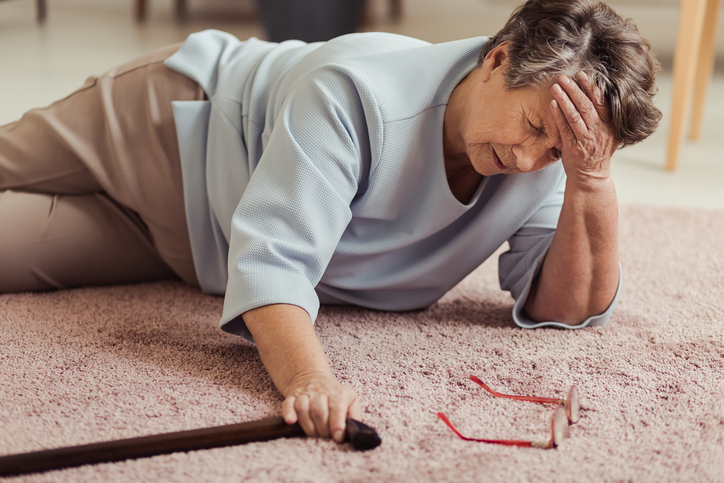
We know how worrying it is when an elderly loved one starts having more difficulty with moving around or seems unsteady. Mobility problems and falls affect much more than just a person’s physical health. They have a huge impact on someone’s confidence, independence, and everyday quality of life. When a person becomes fearful of moving, it can actually make falls more likely. That’s where carers can make a real difference, helping loved ones stay safe while keeping their independence and dignity intact.
If you have noticed a relative or friend becoming more unsteady on their feet, here are some ways you can support their mobility and reduce the risk of them falling by making sure their home is as safe as it can be.
Understanding the Risks
Any kind of moving around requires strength, balance, and coordination. Sadly, these can all decline gradually with age, illness, or after an injury, sometimes without obvious warning.
Falls are common, especially in older adults. As much as a fall may cause a physical injury, it has a wider impact too. A fall can shake their confidence and make someone somewhat hesitant to move which might also increase the risk of future accidents. In many cases, carers will be the first to notice any slight changes in movement or balance and can step in to help before something more serious happens.
Factors that increase someone’s fall risk include:
- Muscle weakness or poor balance
- Medications that cause dizziness or drowsiness
- Inappropriate footwear or clothing
- Hazards around the home like loose carpets, clutter, or dim lighting
- Fear of falling (which can make someone stiff or overcautious)
Spotting the signs early makes it possible to take simple steps to help prevent falls.
Supporting Safe Mobility
There are many things you can check in a loved one’s home that can greatly reduce the likelihood of them falling, all while supporting their independence.
- Encourage regular movement
Sitting or lying down for long periods weakens muscles and balance. Gentle exercises, short walks as well as repeated sit-to-stand movements can strengthen the big leg muscles and improve stability. It’s better to do a little regularly than push for intensity. - Assist with safe transfers
Moving from the bed to the chair, or standing up from a seated position, carries a higher risk of falls. Stay close, offer steady support, and make sure handrails or walking aids are within reach. - Support posture and movement
Gentle reminders to look ahead and take slow steps all help safer movement. Even weight distribution and careful turning will help to reduce instability. - Ensure mobility aids are used correctly
Walkers, canes, and frames work best when they fit comfortably and are used consistently. Check that they are the right height, in good condition, and that your loved one is confident using them.
Creating a Safer Environment
Small changes at home can make a big difference:
- Keep pathways clear and get rid of any loose carpets or rugs or clutter
- Make sure there is good lighting, including night lights in bedrooms and bathrooms
- Install grab rails and non-slip mats in their bathrooms and kitchen
- Encourage sturdy, well-fitting footwear
These adjustments make everyday life safer and less stressful.
Supporting Health and Confidence
Carers can also keep an eye on things that affect mobility, like medication side effects, changes in vision, or declining strength. Noticing these early and talking with health professionals can hopefully prevent any complications in the future.
Building up their confidence matters just as important as physical support. Lots of encouragement and letting people do tasks they can manage helps them to maintain their independence as well as reducing fear-related stiffness or hesitation.
How Eximius Support Helps
We work alongside carers and families to put these helpful things in place. We help spot hazards and coordinate with health professionals when specialist advice is needed. Our goal is to help make sure your loved one can move safely, independently, and confidently while keeping their dignity and their quality of life at the centre. Get in touch today for practical advice and personalised support.
Further Reading
Signs of Depression in Older Adults
Daily Heart-Healthy Habits for Older Adults
Practical Tips For Ageing In Place